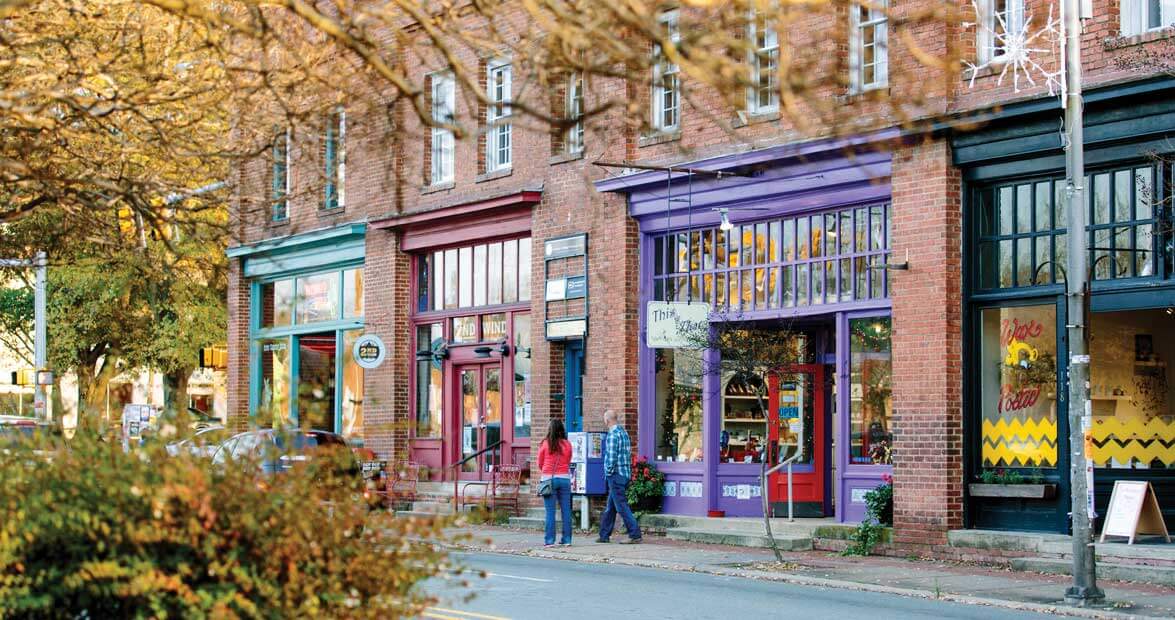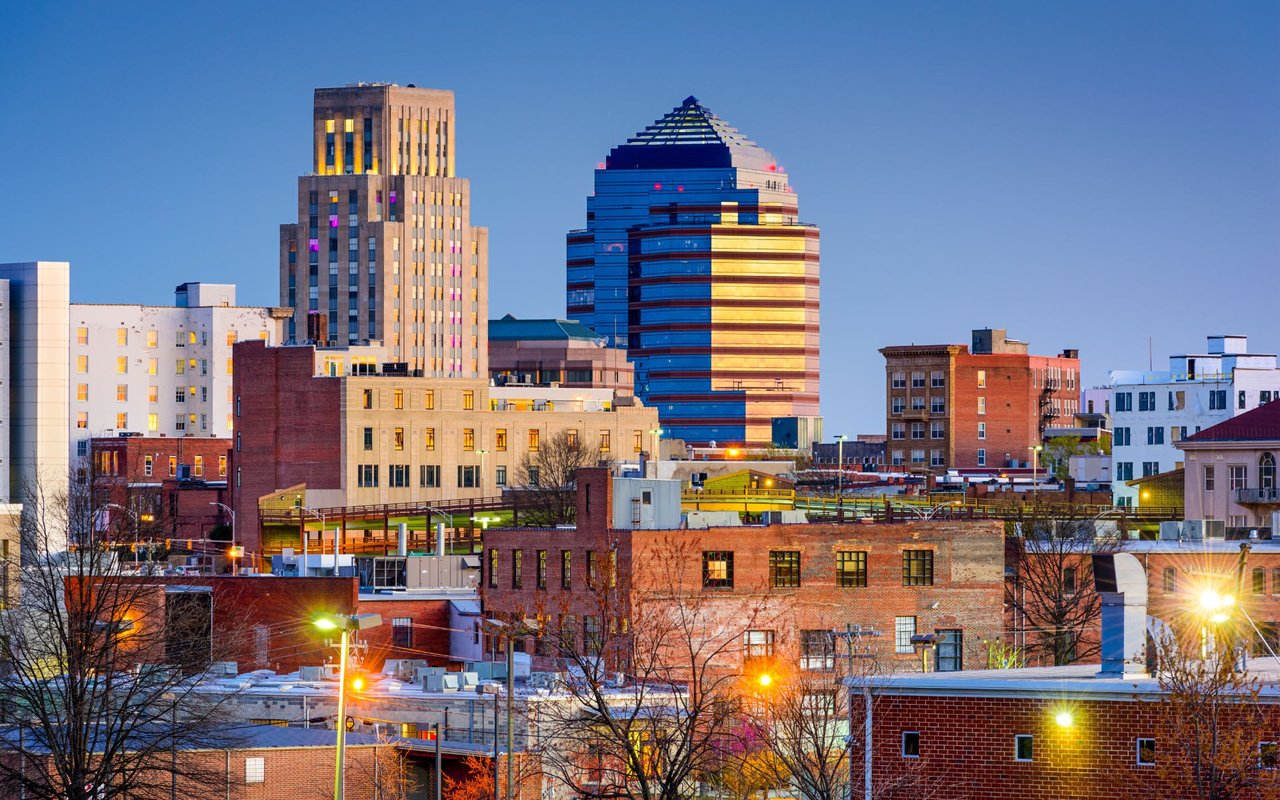
Durham, North Carolina, is a vibrant and historic city within the Research Triangle, known for its innovation, cultural energy, and strong sense of place. Once a tobacco and manufacturing hub, Durham has transformed into a center for technology, healthcare, education, and entrepreneurship.
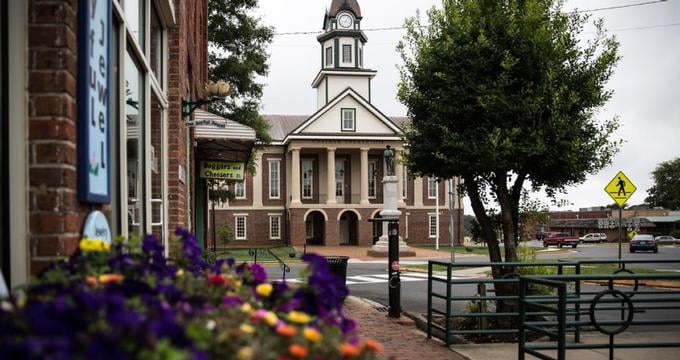
The city is home to Duke University, one of the region’s most recognized institutions, which contributes to Durham’s dynamic atmosphere and global reputation. Residents enjoy a lively downtown filled with locally owned restaurants, arts venues, historic architecture, and revitalized industrial spaces that now house offices, apartments, and entertainment destinations.
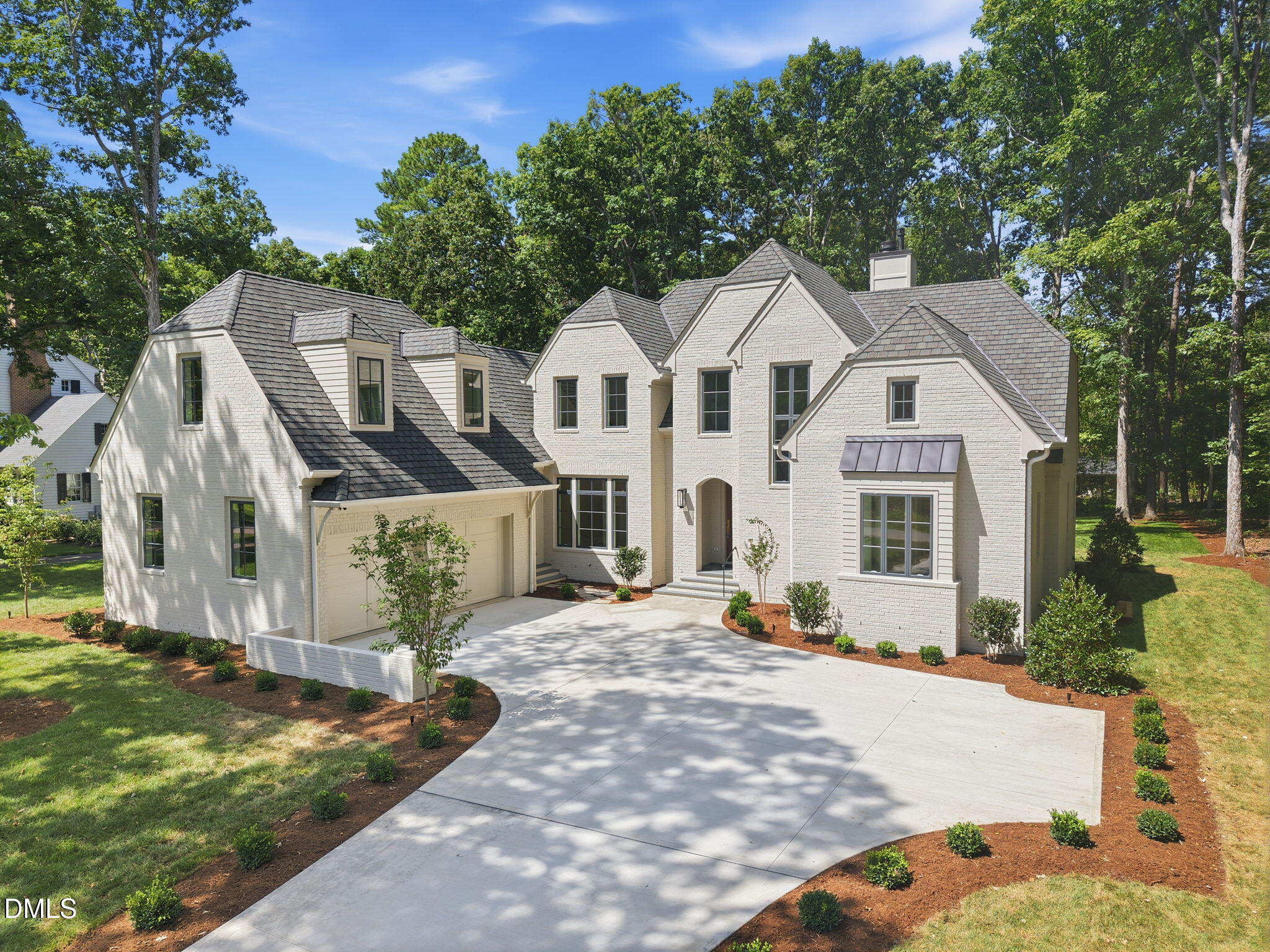
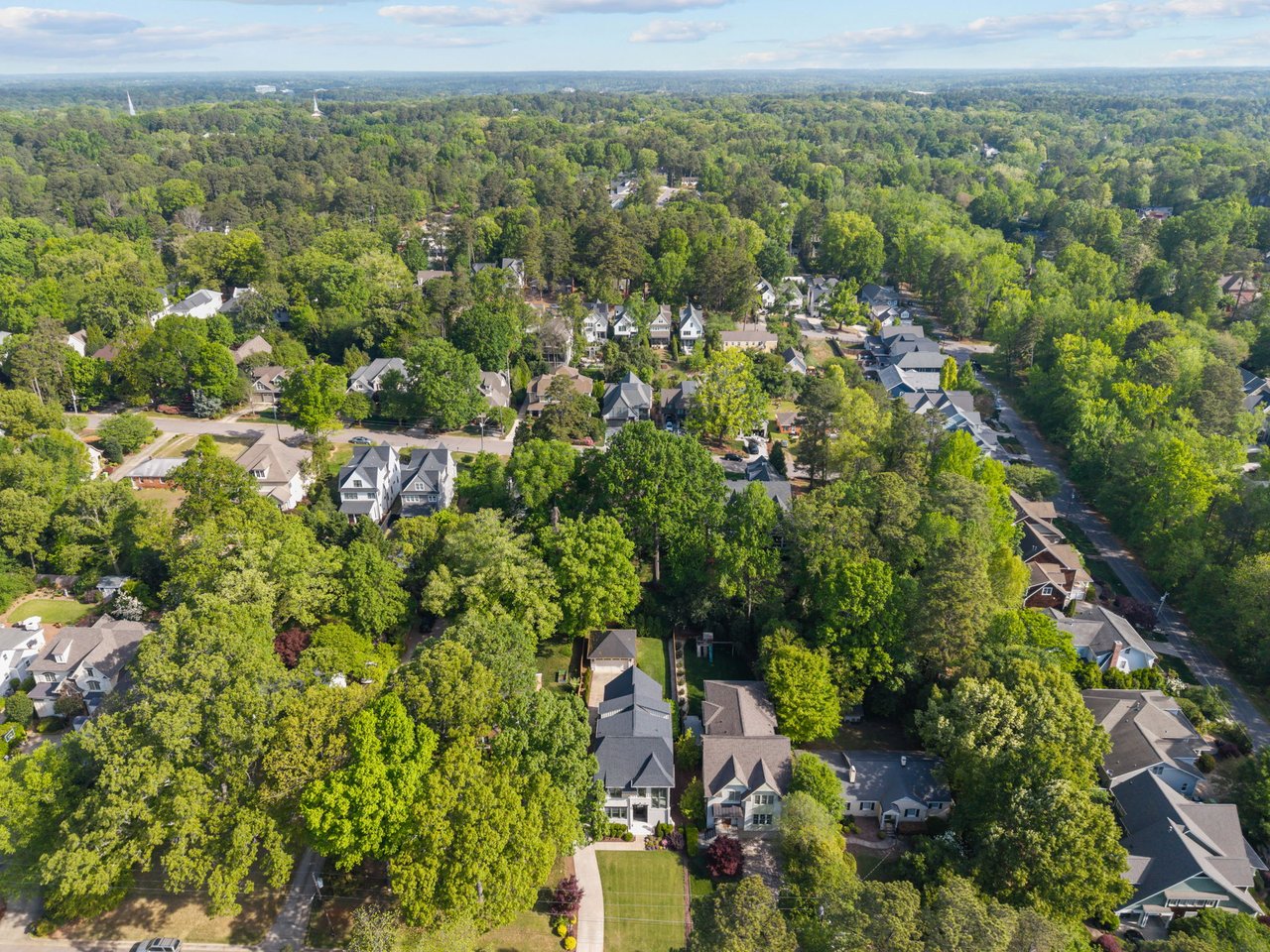
Durham offers a wide variety of neighborhoods, ranging from historic districts with classic architecture to newer communities with modern homes and amenities. The city’s diverse housing options appeal to buyers looking for walkable urban environments, established residential streets, or quieter suburban settings.
Located just west of Raleigh and close to Research Triangle Park, Durham provides convenient access to major employment centers while maintaining its own distinctive character. The city’s strong food scene, cultural institutions, and entrepreneurial spirit make it one of the most unique communities in the Triangle region.
For those exploring communities in the Raleigh area, Durham offers a compelling mix of history, innovation, and neighborhood diversity that continues to attract new residents from across the country.
If you're considering a move to the Triangle, our Relocating to the Raleigh Area guide offers helpful insight into neighborhoods, housing, and what to expect when moving to the region.
288,465 people live in Durham, where the median age is 34.8 and the average individual income is $47,246. Data provided by the U.S. Census Bureau.
Total Population
Median Age
Population Density Population Density This is the number of people per square mile in a neighborhood.
Average individual Income
Durham has 123,318 households, with an average household size of 2.25. Data provided by the U.S. Census Bureau. Here’s what the people living in Durham do for work — and how long it takes them to get there. Data provided by the U.S. Census Bureau. 288,465 people call Durham home. The population density is 2,470.71 and the largest age group is Data provided by the U.S. Census Bureau.
Total Population
Population Density Population Density This is the number of people per square mile in a neighborhood.
Median Age
Men vs Women
Population by Age Group
0-9 Years
10-17 Years
18-24 Years
25-64 Years
65-74 Years
75+ Years
Education Level
Total Households
Average Household Size
Average individual Income
Households with Children
With Children:
Without Children:
Marital Status
Blue vs White Collar Workers
Blue Collar:
White Collar: