Neighborhoods, lifestyle, and practical steps for a smooth move to the Raleigh area.
Relocating to Raleigh, NC is more than just a move, it’s a transition into one of the fastest-growing and most desirable cities in the Southeast. Known for its strong job market, established neighborhoods, and balanced lifestyle, Raleigh continues to attract professionals, families, and retirees who are looking for opportunity without sacrificing quality of life.
If you’re moving to Raleigh from out of state or even from another part of North Carolina, understanding the local market, cost of living, neighborhoods, and day-to-day logistics can make your transition significantly smoother. From downtown energy to quiet suburban communities, living in Raleigh offers a range of environments that suit different stages of life.
This guide was created to provide clear, practical insight into what to expect when relocating to the Raleigh area, including housing options, commute considerations, schools, and the overall lifestyle that defines the city. Whether you’re planning to buy immediately or exploring your options, having a local perspective makes all the difference.
Raleigh continues to rank among the top cities in the country for job growth, quality of life, and long-term stability. As part of the Research Triangle region, Raleigh benefits from a strong presence of technology, healthcare, education, and research institutions, creating a resilient and diverse economy.
Many people relocating to Raleigh are drawn by the balance the city offers. It has the infrastructure and career opportunities of a growing metro area, while still maintaining access to parks, greenways, and established neighborhoods that feel connected and livable. The cost of living in Raleigh remains competitive compared to many larger metropolitan areas, especially for buyers coming from the Northeast, West Coast, or major urban centers.
Another factor driving relocation to Raleigh is its geographic convenience. Residents enjoy proximity to both the North Carolina mountains and the coast, along with a well-connected airport that supports national and international travel. Combined with a steady housing market and continued development, Raleigh presents long-term appeal for those seeking both opportunity and lifestyle.
For families, professionals, and retirees alike, living in Raleigh offers a mix of community atmosphere and forward momentum, a combination that continues to attract new residents each year.
Raleigh is not a one-size-fits-all city. Its neighborhoods each carry distinct personalities, architecture styles, and lifestyle rhythms. Understanding the character of different areas can help you choose a home that aligns with your daily routines and long-term plans.
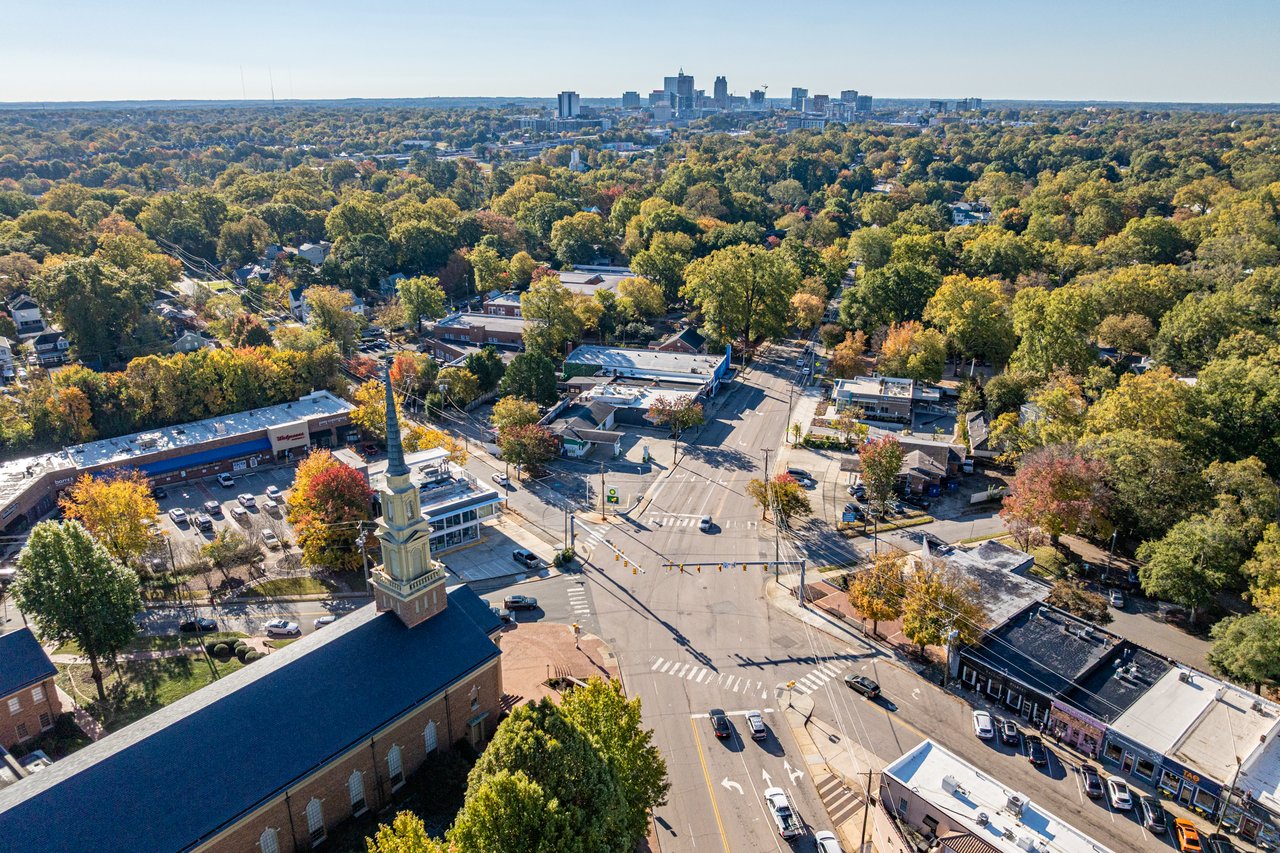
Established Raleigh neighborhoods such as Hayes Barton, Budleigh, and Five Points are known for mature trees, historic architecture, and close proximity to downtown Raleigh. These areas often attract buyers who value classic design, walkability to local restaurants and parks, and a strong sense of community identity.
North Hills offers a more modern, mixed-use environment, blending residential living with retail, dining, and office space. For those seeking convenience and accessibility, this area provides a balance between urban energy and structured neighborhood planning.
Across Raleigh, you’ll also find newer developments, townhome communities, and expanding corridors that provide different price points and lifestyle options. Choosing the right neighborhood often comes down to commute preferences, proximity to amenities, school considerations, and overall community atmosphere.
Spending time in neighborhoods at different times of day, exploring local greenways, and testing commute routes can provide clarity that online listings alone cannot offer. When relocating to Raleigh, understanding the feel of a neighborhood is just as important as understanding the home itself.
One of the primary reasons buyers consider relocating to Raleigh, NC is the city’s relative affordability compared to many major metropolitan areas. While home prices have appreciated alongside growth and demand, Raleigh continues to offer strong long-term value, particularly for buyers relocating from higher-cost markets.
Housing options range from historic homes near established neighborhoods to newer construction communities and townhomes throughout expanding corridors. Price points vary depending on proximity to downtown, access to major roadways, and neighborhood amenities. Areas closer to central Raleigh and established communities often command higher prices due to demand, walkability, and architectural character.
Beyond purchase price, buyers should also consider property taxes, homeowners’ association fees where applicable, and long-term maintenance expectations. Evaluating total cost of ownership provides a clearer picture of affordability and helps prevent surprises after closing.
Market conditions can shift throughout the year, influenced by inventory levels and buyer demand. Understanding the local housing market, rather than relying solely on national headlines, allows relocating buyers to make informed, confident decisions that align with both financial goals and lifestyle priorities.
Daily life in Raleigh is often shaped by commute patterns, school assignments, and access to essential amenities. While the city is relatively well-connected, traffic can vary depending on proximity to major routes such as I-440, I-540, and US-1, as well as access to employment hubs including downtown Raleigh and Research Triangle Park. What appears close on a map can feel different during peak commuting hours, making it important for relocating buyers to evaluate drive times at realistic intervals.
School zoning is another consideration that often influences purchasing decisions. Raleigh is served by the Wake County Public School System, and assignments can vary by address. Even buyers without school-aged children may consider school reputation and zoning stability when evaluating long-term property value and resale potential. In addition to traditional public schools, Wake County offers magnet, year-round, charter, and private options that contribute to the area’s educational flexibility.
Beyond commute and schools, everyday convenience plays a significant role in overall satisfaction. Access to parks, greenways, medical facilities, grocery stores, and community gathering spaces can impact daily routines just as much as the home itself. Raleigh’s network of greenways and public spaces allows residents to stay connected to nature, while mixed-use areas such as North Hills provide walkable retail and dining options.
When relocating to Raleigh, spending time in neighborhoods, testing commute routes, and observing activity at different times of day can provide clarity that online research cannot fully capture. A home may check every box on paper, but long-term comfort often depends on how well the surrounding environment supports your lifestyle.
Relocating to Raleigh often means navigating a home purchase under North Carolina’s specific contract and closing structure. While the overall process may feel familiar to experienced buyers, certain elements differ from other states and can influence timelines and expectations.
In North Carolina, real estate transactions typically involve an Offer to Purchase and Contract that includes both a due diligence period and an earnest money deposit. During the due diligence period, buyers complete inspections, review disclosures, and finalize financing while retaining the option to terminate the contract under defined terms. Understanding how this structure works before submitting an offer allows relocating buyers to make confident, strategic decisions.
Closings in North Carolina are conducted at a local attorney’s office rather than through a title company. The closing attorney handles title examination, document preparation, and final disbursement of funds. For buyers moving from states with different systems, this can be an important distinction that affects preparation and scheduling.
Financing timelines, appraisal processes, and inspection windows can vary depending on market conditions and lender responsiveness. Working with a knowledgeable local real estate professional helps ensure that deadlines are met, negotiations are handled thoughtfully, and expectations remain clear from contract to closing.
Because every market operates a little differently, having clear guidance from the beginning helps prevent surprises. Working with a local professional who understands Raleigh’s contract structure, negotiation norms, and closing procedures can make the transition far smoother.
Relocating to Raleigh involves more than selecting a home. Coordinating timing, financing, inspections, and logistics requires thoughtful planning, especially for buyers moving from another state or region.
Most successful relocations begin with a clear timeline. Pre-approval with a local or nationally recognized lender should occur early, as it establishes budget clarity and strengthens negotiation position when submitting offers. From contract acceptance to closing, North Carolina transactions typically move on structured timelines, making early preparation essential.
Buyers relocating to Raleigh should also consider scheduling inspections, final walkthroughs, and utility setup in advance. Because closings are conducted at a local attorney’s office, coordinating travel plans around signing dates can be helpful for those not yet residing in the area.
If you are balancing the sale of a home in another city, job relocation deadlines, or school enrollment timing, aligning your purchase with those milestones reduces unnecessary stress. Advance planning also allows flexibility if market conditions shift or if the right home requires quick decision-making.
Relocation is both practical and emotional. Taking the time to understand neighborhood rhythms, commute patterns, and long-term lifestyle fit ensures that your move to Raleigh supports not only your immediate needs but your plans for the years ahead.
Relocating to Raleigh, NC is an important life decision, and having clear, local insight makes the process more manageable. From understanding neighborhood character to navigating North Carolina’s contract structure, informed preparation allows buyers to move forward with confidence rather than uncertainty.
Raleigh continues to attract professionals, families, and retirees who are seeking opportunity, stability, and a balanced lifestyle. With established neighborhoods, expanding development, strong employment centers, and accessible green space, the city offers long-term appeal across many stages of life.
The key to a successful relocation is not simply finding a home, but finding the right fit, a neighborhood that aligns with daily routines, financial comfort, and future goals. Taking time to evaluate commute patterns, school assignments, housing options, and overall community atmosphere ensures that your move supports both present needs and long-term plans.
If you are considering relocating to Raleigh, thoughtful guidance and hyper-local knowledge can make all the difference. A structured, steady approach helps reduce stress and allows you to focus on what matters most, settling into a community that truly feels like home.