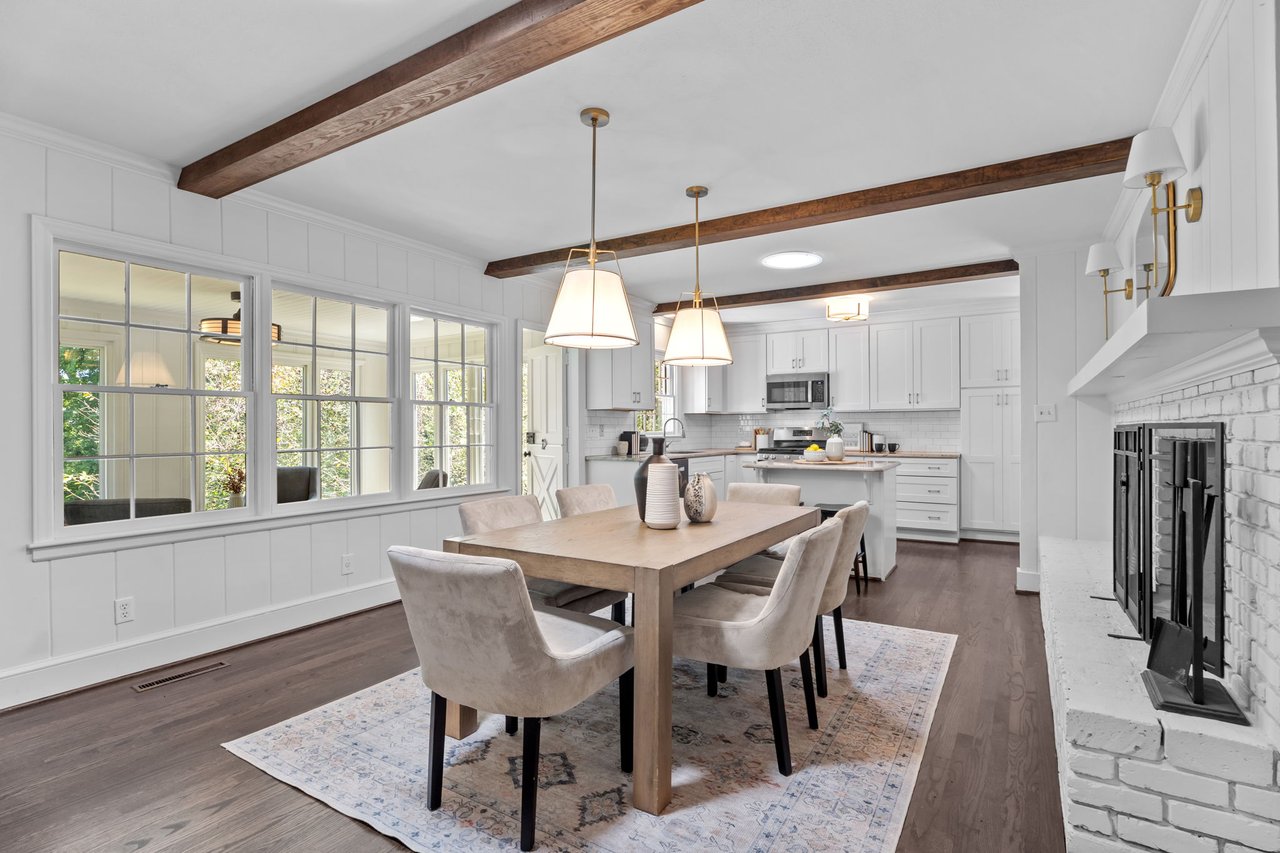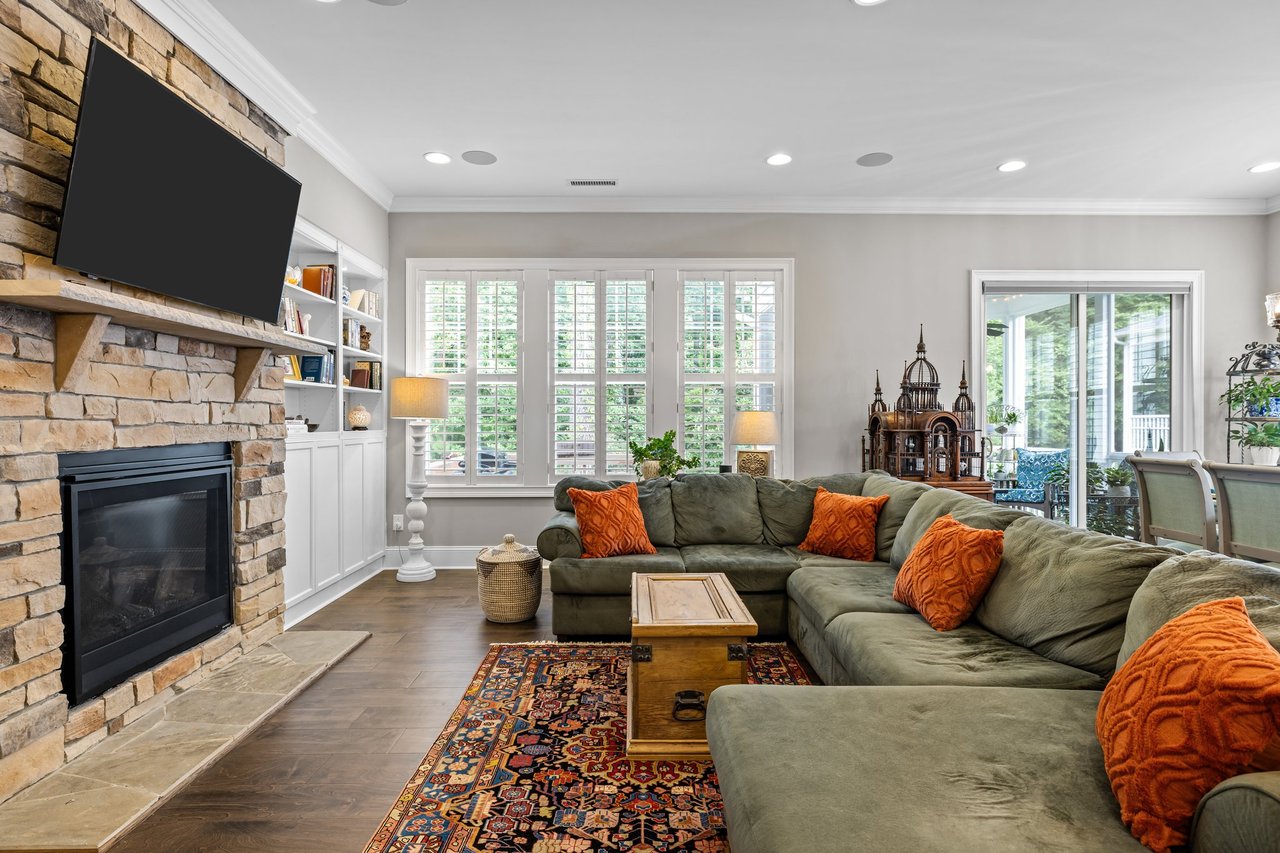
Most buyers scan listings quickly, focusing on price, photos, and basic details. While that provides an initial filter, listings often contain more information than they appear to at first glance.
Reading between the lines allows you to better understand how a home is positioned, what may not be immediately visible, and how it compares to other opportunities in the market.
1. What the Listing Description Emphasizes (and Avoids)
Listing descriptions are written to highlight strengths, but what is emphasized can be just as telling as what is not mentioned.
Pay attention to:
- Repeated focus on location over the home itself
- General phrases without specific upgrades or features
- Language that highlights potential rather than current condition
In contrast, well-positioned homes often include:
- Clear, specific updates (roof age, HVAC, renovations)
- Defined features rather than broad descriptors
- A balanced focus between home and location
The level of detail typically reflects both condition and confidence in the property.
2. Photo Order and Composition
Photos are not just about presentation. They reflect what the seller and agent want you to see first.
Common patterns include:
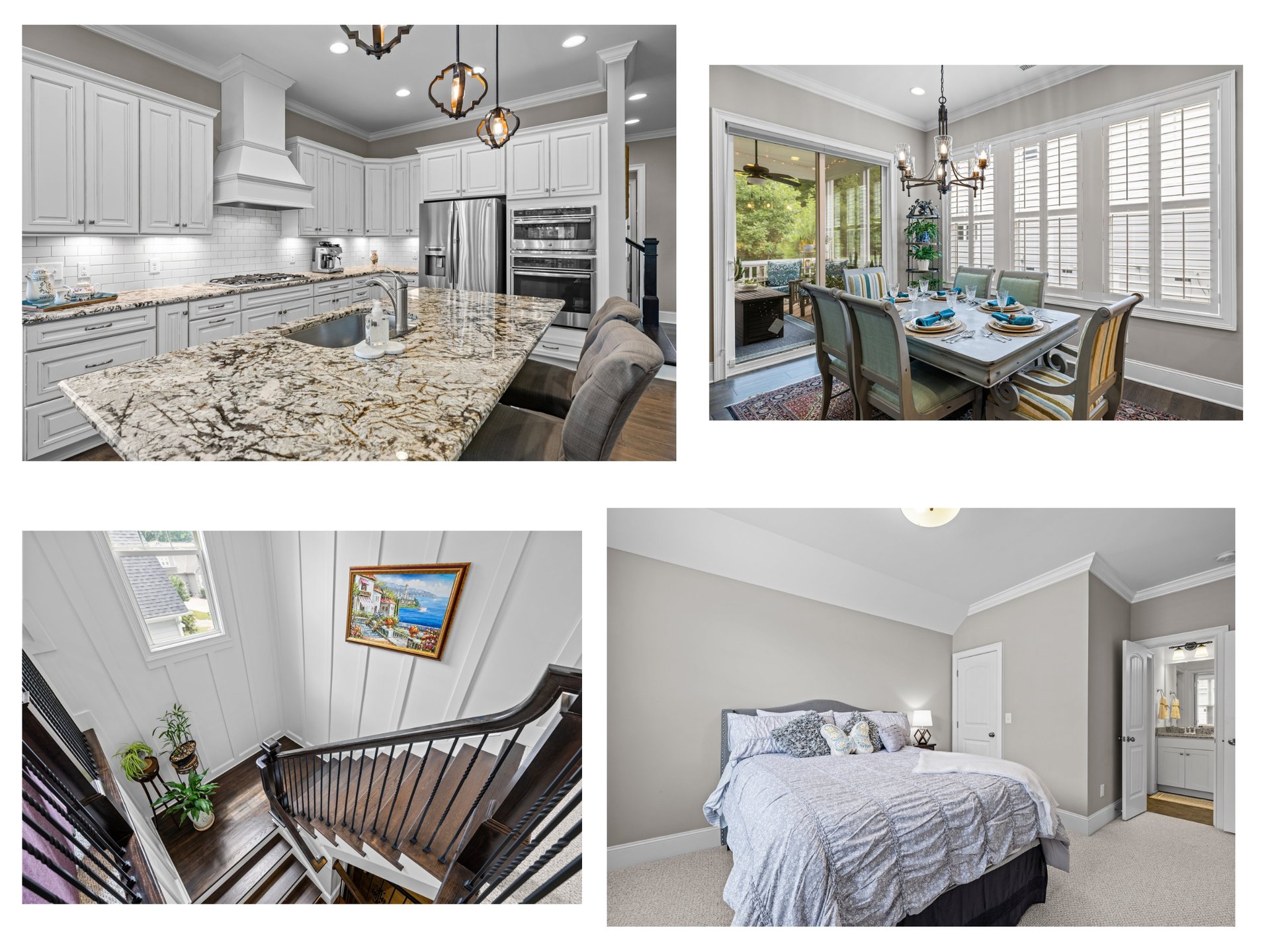
- Strong homes leading with exterior and main living spaces
- Listings that delay key areas (kitchen, bathrooms) until later in the sequence
- Limited angles or fewer photos in certain rooms
If important spaces are underrepresented or shown indirectly, it often indicates:
- Condition concerns
- Layout challenges
- Features that may not meet current expectations
A complete and balanced photo set usually signals transparency and stronger positioning.
3. What Is Missing from the Listing
Absence of information is often as meaningful as what is included.
Look for missing details such as:
- No mention of major systems (roof, HVAC, water heater)
- Lack of interior photos for specific areas
- No reference to updates in older homes
While not every listing will include full detail, consistent omissions can suggest:
- Deferred maintenance
- Outdated features
- Areas that may require further evaluation
This does not necessarily make the home a poor choice, but it does indicate where deeper review is needed.
4. Days on Market and Price Movement
Listings evolve over time, and those changes provide insight into how the home is being received.
Key patterns to watch:
- No movement after initial listing period
- Multiple small price reductions
- Re-listing at a different price after removal
These shifts often reflect the market’s response rather than the seller’s original expectations. Understanding that response helps you interpret whether the home is aligning with buyer demand.

5. Listing Terminology That Signals Positioning
Certain phrases appear frequently, but they tend to fall into two categories: clarity or deflection.
Examples of positioning language:
- “Well maintained” — may indicate original condition rather than updated
- “Opportunity” or “potential” — often signals needed improvements
- “Move-in ready” — varies widely in interpretation and should be confirmed through photos and details
Rather than taking these terms at face value, it is more useful to compare them directly against the visual and factual information provided.
6. Property History and Context
A listing is one moment in time, but the property has a broader history.
Understanding context can include:
- Previous listing prices and timelines
- Whether the home has been listed recently
- Patterns of ownership or turnover
This information provides a more complete picture of how the home fits into the market, beyond its current presentation.
7. How It Compares to Similar Listings
One listing rarely tells the full story on its own. Its meaning becomes clearer when viewed alongside comparable homes.
When reviewing multiple listings, consider:
- How condition compares at similar price points
- Differences in updates, layout, and presentation
- Whether this home stands out positively or requires adjustment to compete
This comparative approach often reveals whether a listing is aligned, optimistic, or positioned to attract attention.
Bringing It Together
Listings are designed to present a home in its best light, but they also contain practical signals about condition, pricing, and positioning.
By looking beyond surface details and evaluating:
- What is emphasized
- What is omitted
- How the home is presented relative to others
you gain a clearer understanding of how each opportunity fits within the broader market.
This approach allows for more informed decisions without relying solely on price or first impressions.