Where This Fits in Your Buying Process
While most buyers focus on finding the right home for today, it is equally important to consider how that home may perform in the future.
Resale potential is not about planning to move, it is about understanding how a home holds value over time.
In the Raleigh area, where growth and development vary by location, this perspective adds an additional layer of clarity to your decision.
Quick Answer
A home’s resale potential in the Raleigh area is influenced by location, layout, condition, and long-term neighborhood stability. Buyers who consider future marketability alongside current needs are better positioned for long-term value.
Resale Value Starts With Location Stability
Location remains one of the most consistent influences on long-term value.
When evaluating a home, consider:
- The overall consistency of the surrounding neighborhood
- Proximity to major roads, employment centers, and daily conveniences
- Whether the area feels established or still evolving
Homes in locations that remain desirable across different market conditions tend to perform more consistently over time.
Micro-Location Matters More Than It Appears
Beyond general location, the home’s exact placement can influence future appeal.
This includes:
- Position on a quiet street versus a high-traffic road
- Proximity to neighborhood entrances or intersections
- Lot orientation, privacy, and surrounding views
These factors may feel subtle at the time of purchase, but they often shape how future buyers respond.
Layout and Function Have Long-Term Impact
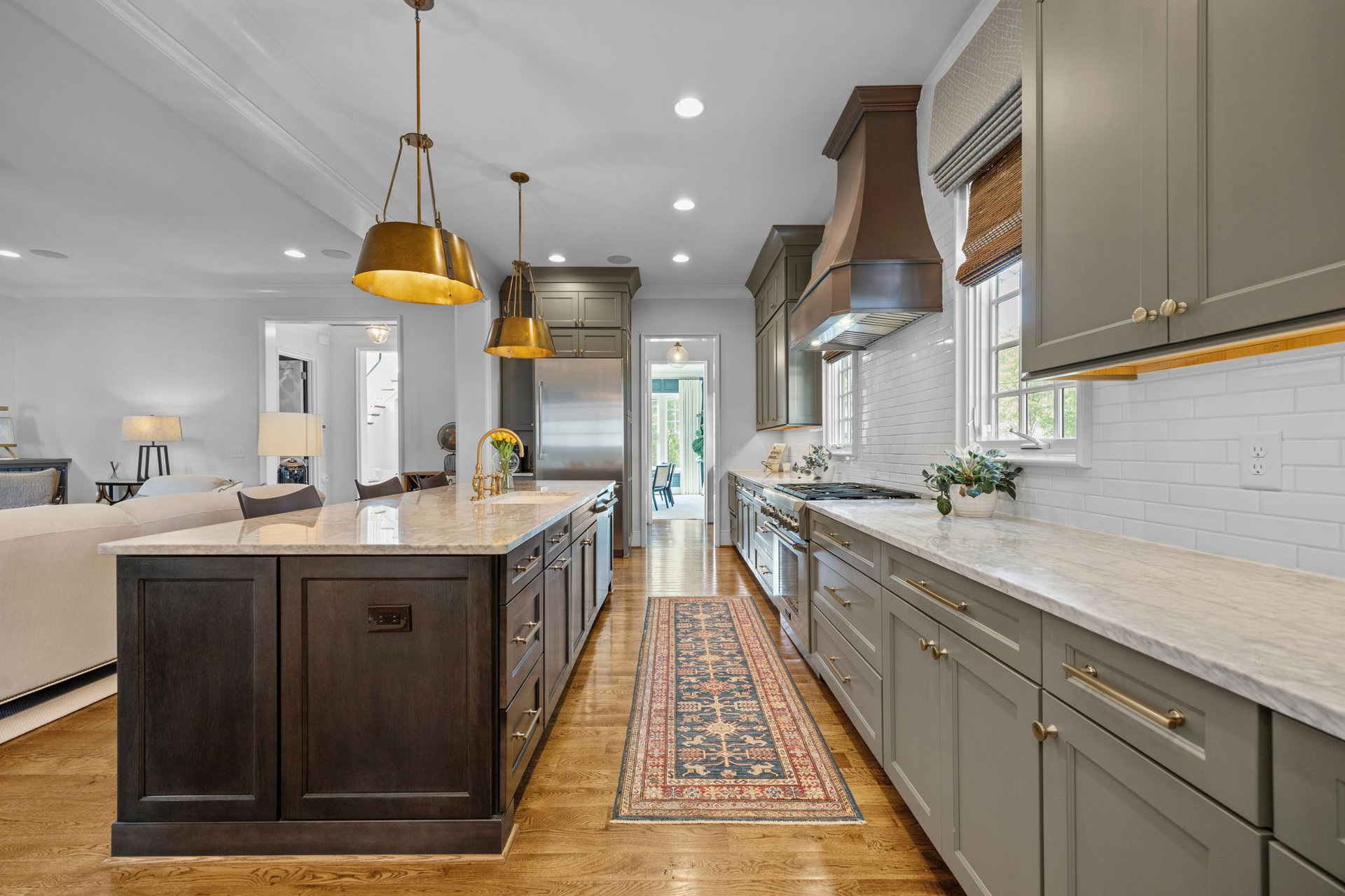
Homes with clear, functional layouts tend to hold broader appeal.
When evaluating layout, consider:
- Whether the flow supports a range of living styles
- If spaces are flexible for different uses over time
- Whether the layout feels intuitive without needing adjustment
Highly specific or less functional layouts may limit future buyer interest, even if they work for a current need.
Condition and Upkeep Set a Baseline
The starting condition of a home influences how easily it can be maintained over time.
Buyers should consider:
- The age and expected lifespan of major systems
- The level of ongoing maintenance required
- Whether updates have been done consistently or in phases
Homes that begin with a strong baseline are often easier to maintain and position well in the future.
Surrounding Development Can Influence Future Value
The Raleigh area continues to grow, and nearby development can shape long-term desirability.
Consider:
- Planned or ongoing development in the area
- Changes to infrastructure or access
- The balance between growth and stability
While growth can add value, rapid or inconsistent development may create variability.
Understanding the direction of an area helps provide context.
Price Positioning Matters From the Start
Resale potential is influenced by how a home is purchased, not just how it is sold later.
Buyers benefit from evaluating:
- Whether the home feels aligned with current market value
- How it compares to similar homes in the same range
- Whether it is positioned competitively at the time of purchase
Entering at a well-supported price point often creates more flexibility in the future.
Broad Appeal Supports Long-Term Flexibility
Homes that appeal to a wider range of buyers tend to perform more predictably.
This often includes:
- Balanced size and layout
- Neutral or adaptable design elements
- Features that align with common buyer preferences
Homes with highly specific characteristics may still perform well, but typically appeal to a narrower audience.
Practical Considerations
When evaluating resale potential, consider:
- Would this home appeal to a wide range of buyers in the future?
- Are there location factors that may limit or strengthen demand over time?
- Does the layout support different living needs?
- Is the purchase price aligned with current market conditions?
These considerations help extend your evaluation beyond the immediate purchase.
The Takeaway
In the Raleigh area, resale potential is not determined by a single feature.
It is shaped by location, layout, condition, and how the home is positioned within the market.
Buyers who consider these factors early are better equipped to choose homes that not only meet their current needs, but remain strong options over time.