When buyers think about location, it is often framed in terms of preference, commute, or lifestyle. Those factors matter, but they do not fully explain why some neighborhoods remain consistently stable in value while others fluctuate more noticeably over time.
Understanding what supports long-term value is less about predicting the next “hot area” and more about recognizing the underlying characteristics that tend to hold steady, regardless of market conditions.
Quick Answer
Neighborhood value stability in the Raleigh area is shaped by factors such as location, accessibility, housing consistency, and ongoing demand. Areas with strong fundamentals tend to maintain value more effectively over time.
1. Location Within the Larger Network
In the Raleigh area, value tends to hold strongest in neighborhoods that are well-connected, not just geographically close to the city center.
This includes:
- Consistent access to major roadways and employment hubs
- Proximity to established retail, medical, and daily-use amenities
- Logical positioning between multiple growth corridors
Neighborhoods that sit within a broader, functional network tend to remain relevant as the area evolves. In contrast, locations that rely on a single access point or isolated development pattern can be more sensitive to shifts in traffic flow or infrastructure changes.
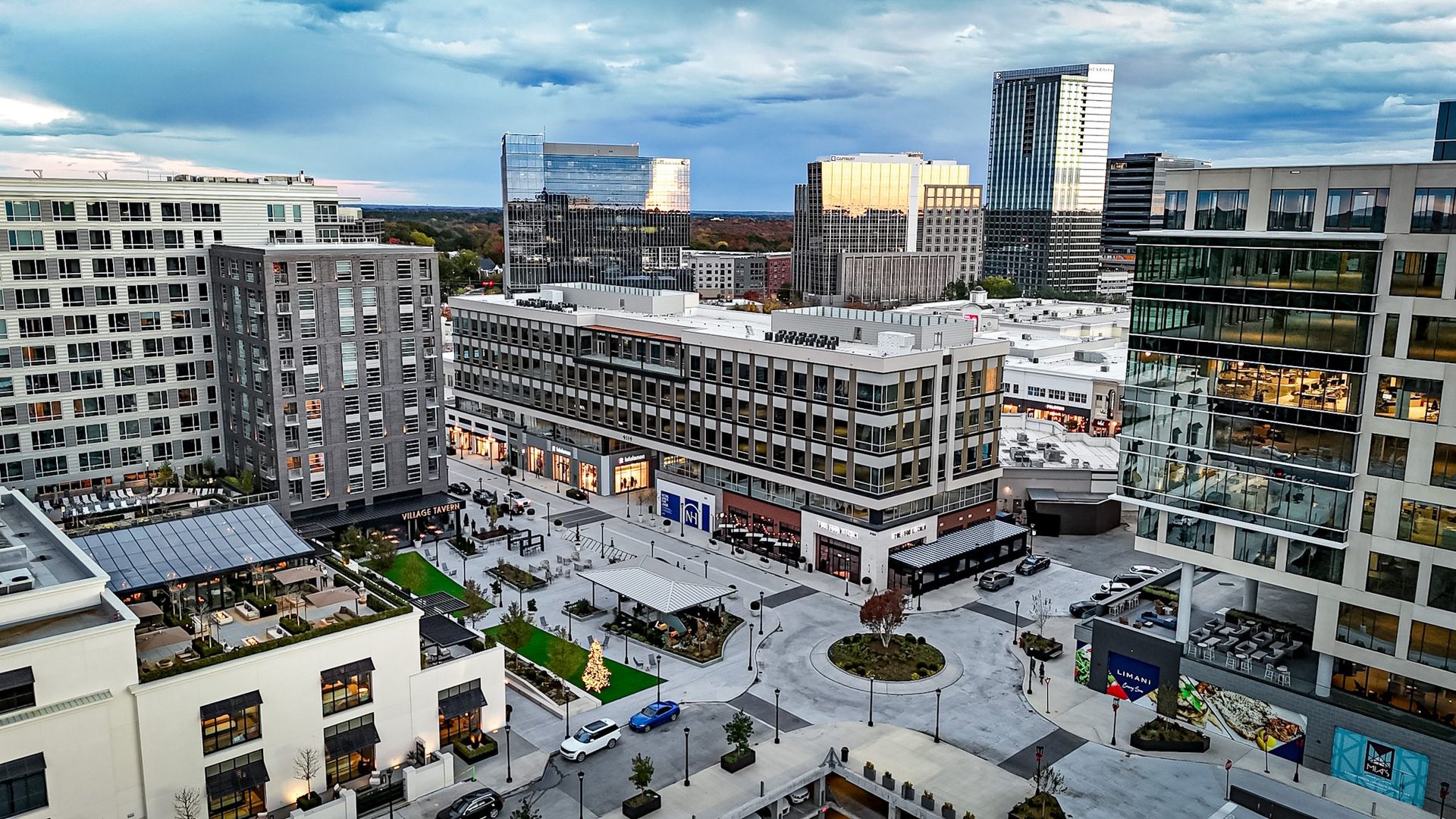
2. Established vs. Emerging Development Patterns
Not all growth contributes equally to long-term value.
Neighborhoods that hold value well typically fall into one of two categories:
- Established areas with limited room for overdevelopment
- Thoughtfully planned communities with cohesive long-term design
What tends to create instability is uneven or reactive development, where:
- Commercial and residential growth are not balanced
- New construction outpaces infrastructure
- Adjacent land use changes unpredictably
Buyers often benefit from looking beyond the immediate neighborhood and considering what surrounds it, both now and in the future.
3. School Stability (Not Just Ratings)
School ratings often receive the most attention, but consistency tends to matter more than short-term rankings.
Neighborhoods that hold value typically align with:
- Schools that maintain stable performance over time
- Attendance zones that do not frequently change
- Community investment in local schools
Frequent reassignment or volatility in school zoning can introduce uncertainty, even in otherwise strong areas. Stability in this layer supports confidence for future buyers, which directly influences resale strength.
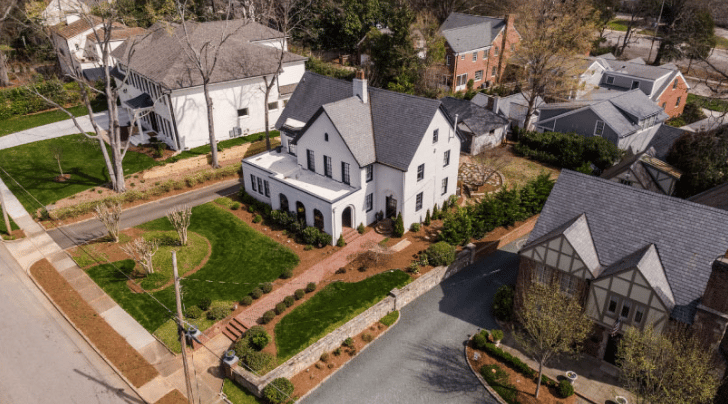
4. Housing Consistency and Standards
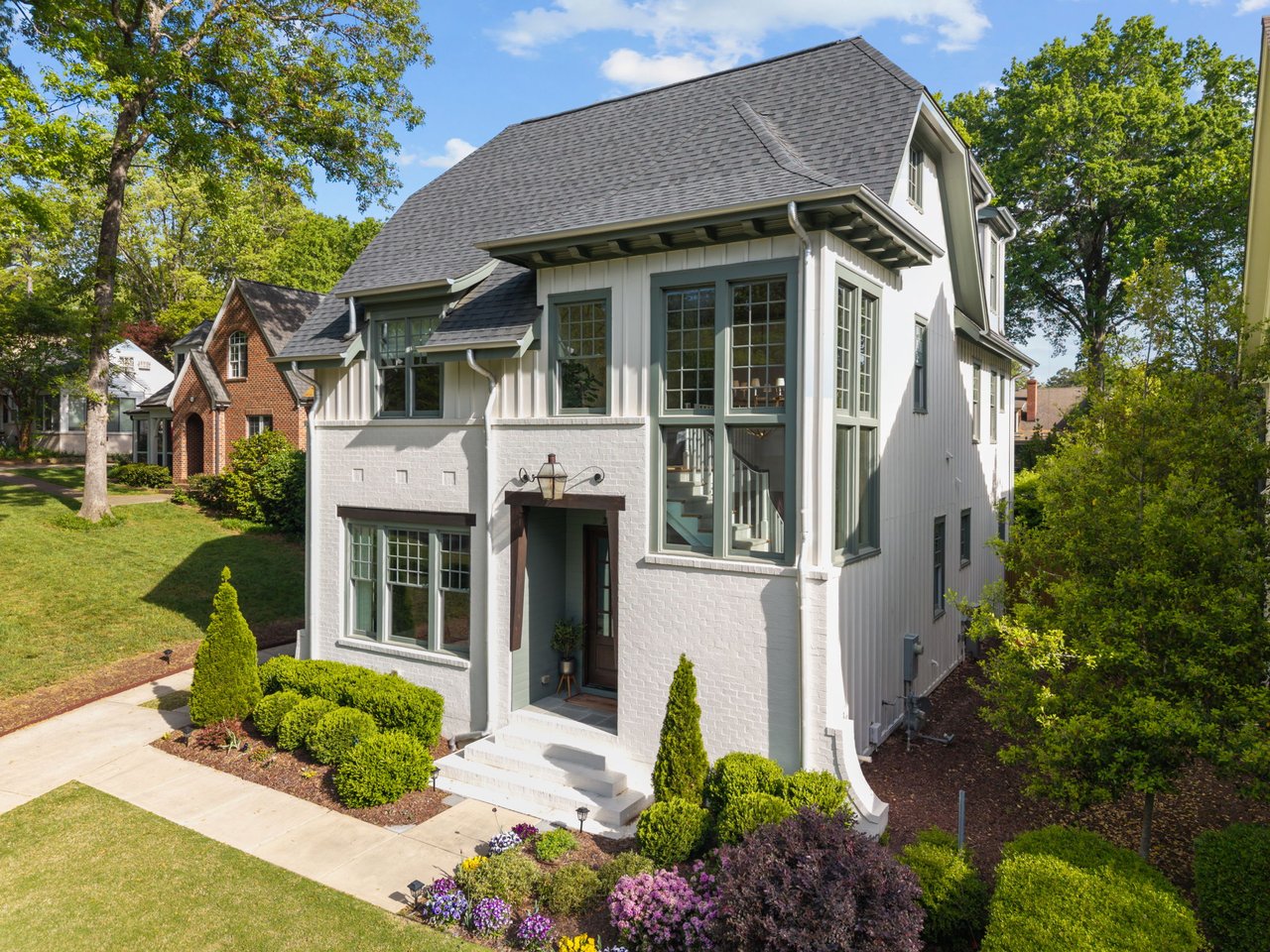
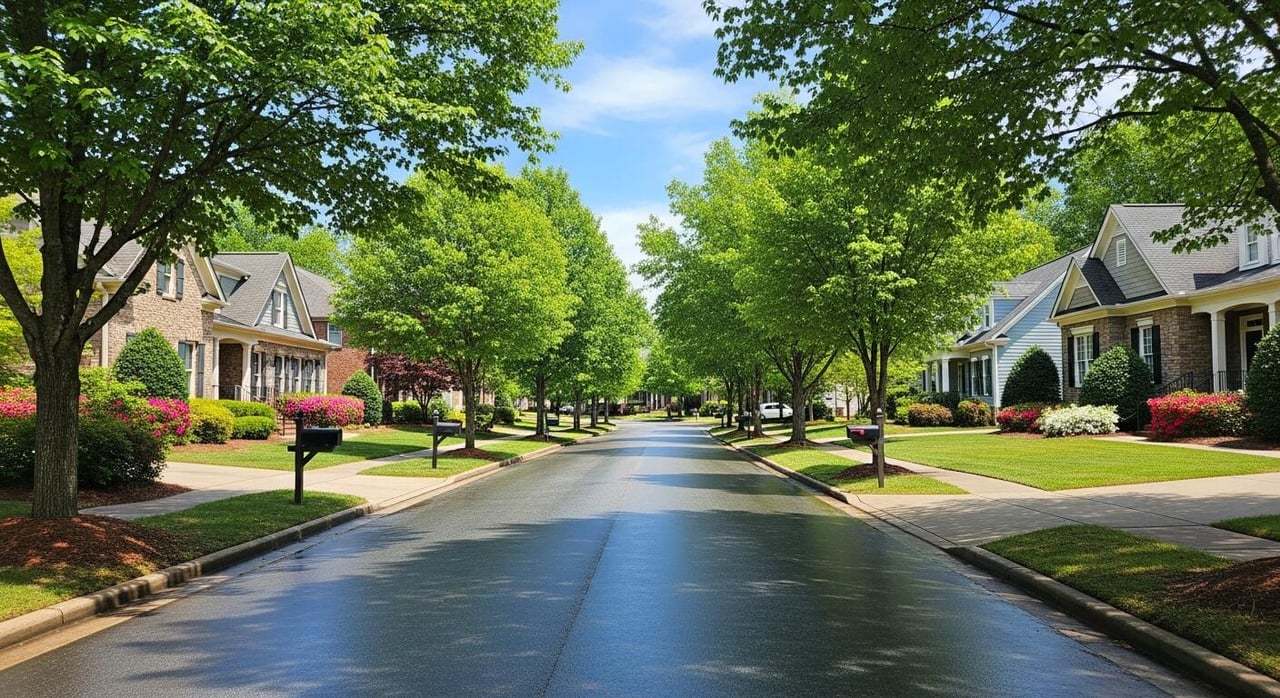
Neighborhoods with a clear identity tend to perform more predictably over time.
This can include:
- Consistent home styles, sizes, and price ranges
- Maintained property standards across the community
- Limited variance between neighboring properties
When there is a wide gap between home conditions or values within the same neighborhood, it can create friction during resale. Buyers often respond more confidently to areas where expectations are clearly defined and maintained.
5. Supply Constraints and Replacement Cost
In many Raleigh area neighborhoods, value stability is supported by limitations on how quickly supply can increase.
This may come from:
- Limited available land for new construction
- Established neighborhoods where redevelopment is gradual
- Higher cost to replicate similar homes in the same location
When it is difficult to recreate what already exists, values tend to hold more steadily. Areas with abundant land or rapid expansion can still be desirable, but they often experience more variation as new inventory enters the market.
6. Buyer Demand That Extends Beyond a Single Segment
Neighborhoods that appeal to a narrow buyer type can perform well in certain conditions but may be more sensitive to shifts in the market.
Stronger long-term stability is often found in areas that attract:
- Multiple price points within a similar range
- Both primary residents and relocation buyers
- A mix of life stages (first-time, move-up, downsizing)
Broader demand creates a more consistent pool of future buyers, which supports value over time.
7. Subtle Signals of Long-Term Confidence
Some of the strongest indicators are not found in data, but in observable patterns within the neighborhood itself.
These include:
- Ongoing maintenance and care across properties
- Thoughtful updates rather than short-term cosmetic changes
- Consistent occupancy rather than high turnover
These signals reflect how owners view the neighborhood, not just how it is marketed. Areas where residents invest over time tend to retain value more reliably.
Bringing It Together
No single factor determines whether a neighborhood will hold value. Instead, it is the combination of location, planning, consistency, and long-term demand that creates stability.
For buyers, this shifts the focus from asking “Is this a good area right now?” to a more useful question:
“What about this neighborhood is likely to remain relevant and steady over time?”
Approaching location with that perspective allows for more confident decisions, especially in a market that continues to evolve.