Where This Fits in Your Selling Process
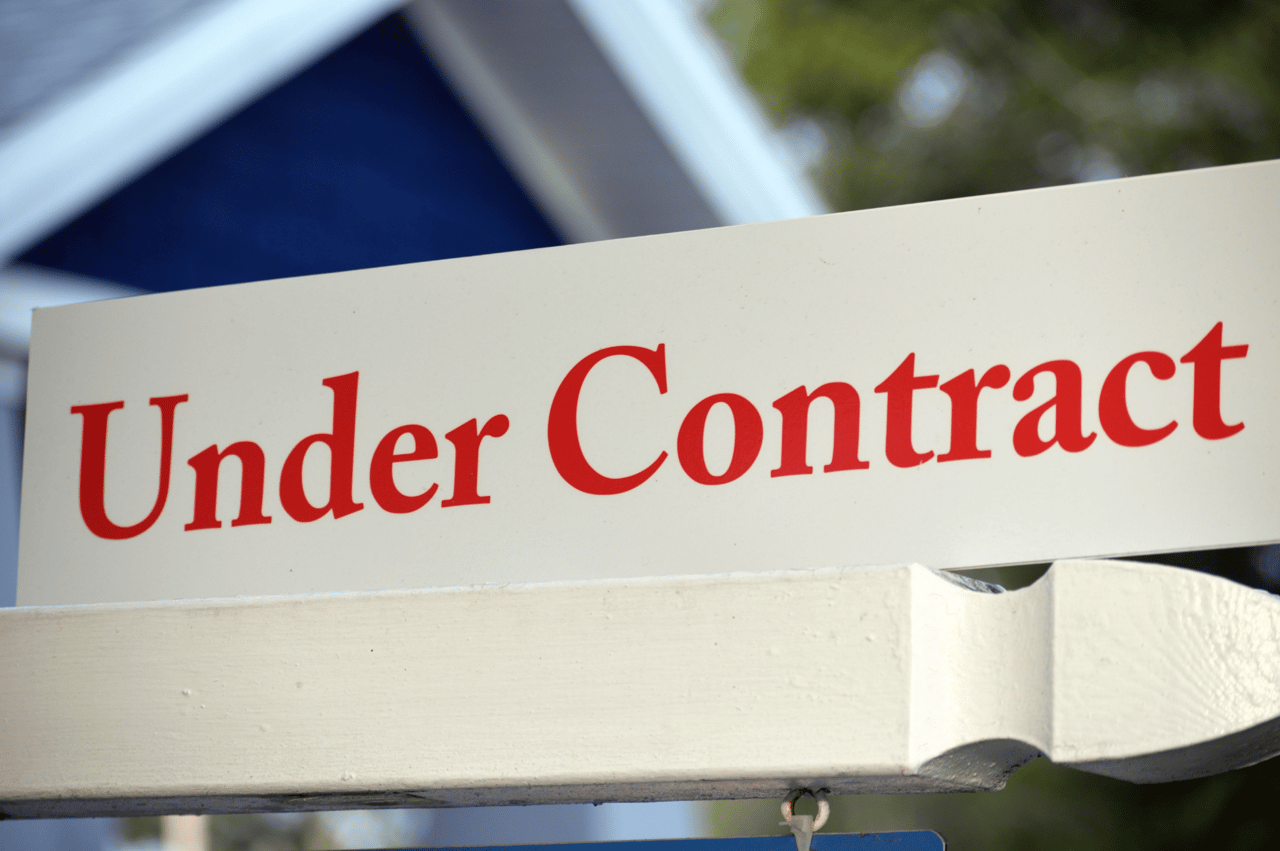
Accepting an offer is a milestone, but it is not the finish line.
In North Carolina, the period between contract and closing is where the details of the transaction are worked through. This stage determines whether the sale moves forward smoothly or requires adjustment along the way.
Understanding what happens during this phase helps sellers stay grounded and prepared as the process unfolds.
The Contract Sets the Framework
Once an offer is accepted, all terms become active.
This includes:
- Due diligence timeline
- Closing date
- Agreed-upon price and terms
- Any specific conditions outlined in the contract
From this point forward, each step follows a structured sequence, with defined windows for decisions and actions.
Due Diligence Is the Most Active Phase
The due diligence period is typically the most active part of the transaction.
During this time, the buyer is evaluating the home more closely through:
- General home inspection
- Additional specialized inspections if needed
- Review of property disclosures and documents
For sellers, this is often the stage where communication increases, as inspection results may lead to questions or requests.
This phase is less about whether issues exist, and more about how they are addressed.

Inspection Outcomes Lead to Negotiation- Or Confirmation
After inspections are completed, buyers generally move in one of two directions:
- Proceed without changes
- Request repairs, credits, or adjustments
Most homes will involve some level of discussion following inspections.
In the Raleigh area, where buyers are more measured, requests are often practical rather than excessive.
Sellers are not obligated to agree to every request. The goal is to evaluate what is reasonable while keeping the transaction moving forward.
The Appraisal Adds Another Layer of Verification
If the buyer is using financing, the lender will require an appraisal.
The appraiser’s role is to confirm that the home’s value supports the agreed-upon purchase price.
When the appraisal aligns with the contract price, the process continues without interruption.
If the appraisal comes in lower, it may lead to:
- Renegotiation of price
- Adjustments to the buyer’s financing
- Re-evaluation of terms
While not every transaction encounters this, it is a step that can influence the final outcome.
Title Work and Legal Preparation Happen Behind the Scenes
In North Carolina, closing is handled through a real estate attorney’s office.
During the contract-to-closing period, the attorney is working in the background to:
- Conduct a title search
- Prepare legal documents
- Coordinate with the lender and all parties involved
Much of this work is not visible day-to-day, but it is essential to ensuring that the property can transfer cleanly at closing.
Final Steps Leading to Closing
As the closing date approaches, a few final steps take place:
- Buyer completes a final walkthrough of the home
- Any agreed-upon repairs should be completed
- Closing documents are finalized and reviewed
For sellers, this is often a quieter phase, but it is important to remain responsive and organized as details are confirmed.
Closing Day: What to Expect
On closing day, documents are signed and funds are transferred.
Once everything is completed and recorded, ownership officially transfers to the buyer.
In North Carolina, this process typically occurs at the attorney’s office, and confirmation of recording finalizes the transaction.

Practical Considerations
As you move from contract to closing, it can be helpful to keep a few things in mind:
- Not every request requires an immediate or full concession, evaluate each one in context
- Communication matters more during this phase than at any other point
- Most transactions involve some level of adjustment, it is part of the process, not a sign of failure
- Staying focused on the overall goal often helps guide smaller decisions along the way
The Takeaway
The period between contract and closing in North Carolina is where the transaction is refined and finalized.
While there are multiple steps involved, each one serves a clear purpose in moving the sale toward completion.
For sellers in the Raleigh area, understanding this phase helps replace uncertainty with structure, making the process feel more manageable from start to finish.
When these elements are aligned, the transaction tends to move forward with greater predictability and less stress.