Where This Fits in Your Selling Process
After your home is positioned and buyers begin touring it, a quieter but more important question begins to take shape:
Does this home feel worth it?
This is not a technical calculation. It is a conclusion buyers arrive at by connecting what they see with what they are being asked to pay.
In the Raleigh area, where buyers are comparing multiple options, that conclusion often determines whether they move forward—or continue looking.
Value Is Interpreted, Not Just Calculated
While pricing is grounded in data, buyer decisions are shaped by perception.
Buyers are not only asking what a home is worth, they are asking whether it feels aligned with that value.
This interpretation is influenced by:
- How the home presents in person
- How it compares to other homes they have seen
- Whether it feels complete or requires additional effort
When these elements align, buyers tend to move forward with confidence.
Consistency Matters More Than Individual Features
A home does not need to have every upgrade to feel well-positioned.
What matters more is consistency.
Buyers respond to homes where:
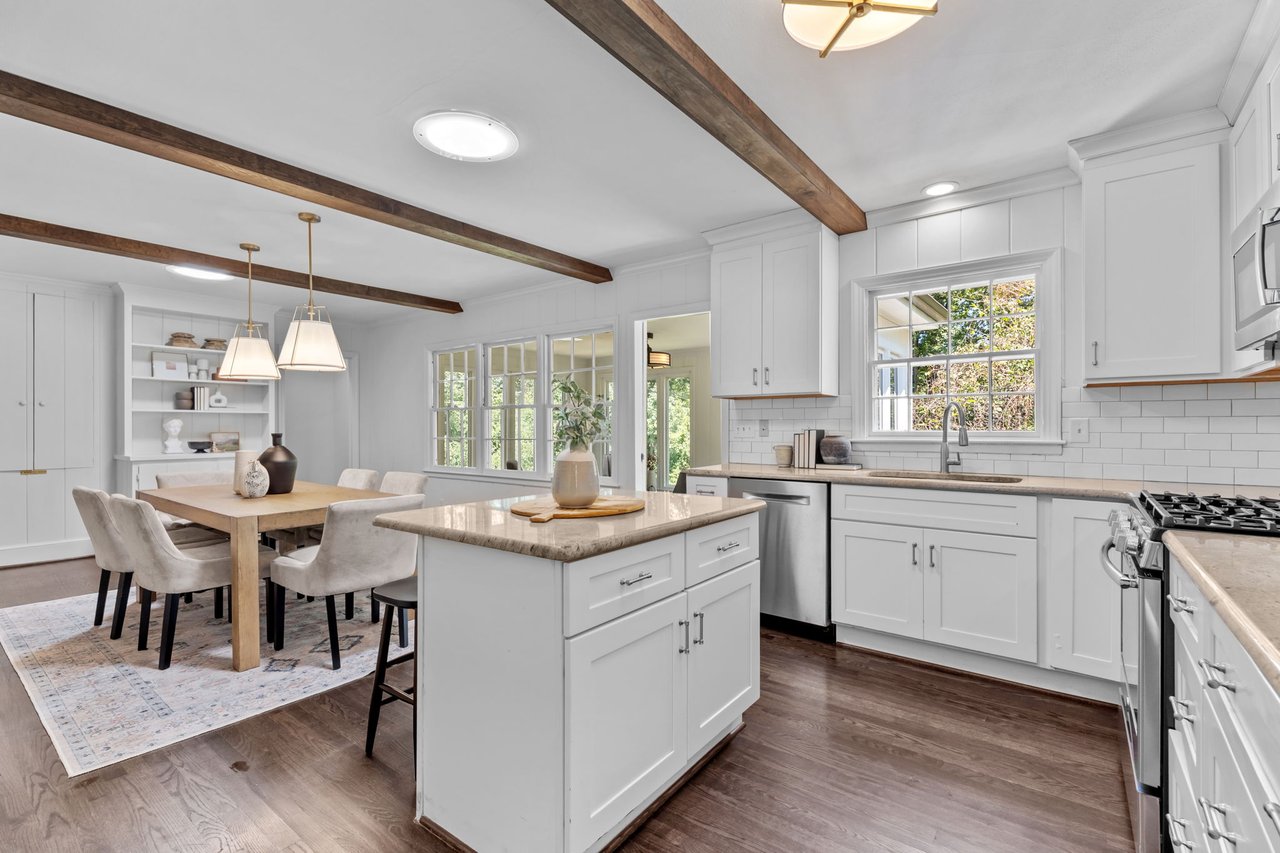
- Condition is uniform from room to room
- Finishes feel cohesive rather than mixed
- There are no noticeable shifts in quality or upkeep
Even small inconsistencies can create hesitation, as buyers begin to question what else may not align.
Effort Influences Perceived Value
Buyers often factor in not just the home itself, but what it will require after purchase.
Homes that feel “worth it” typically:
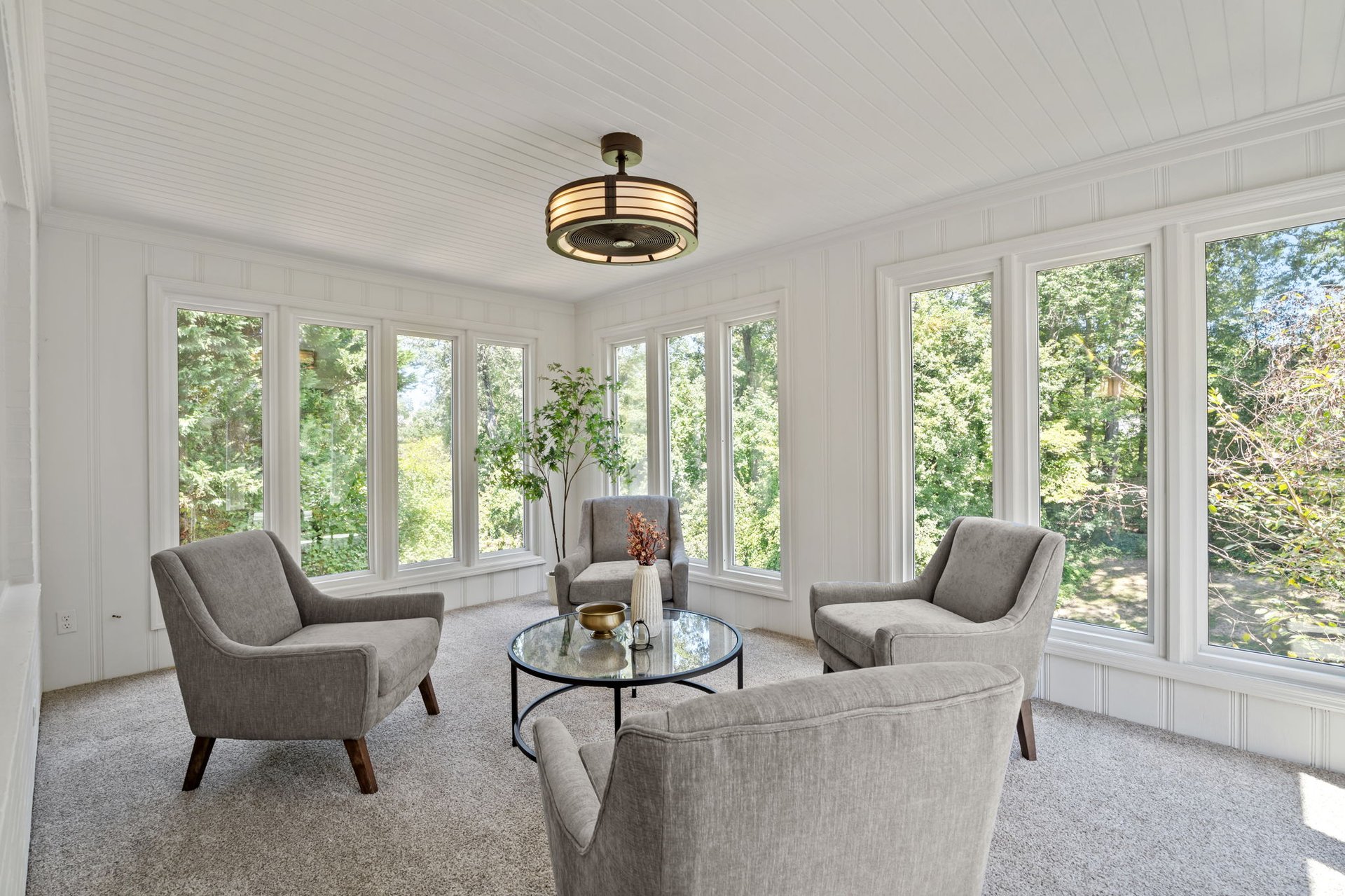
- Appear move-in ready or require minimal adjustment
- Do not present immediate or obvious projects
- Feel complete in a way that allows buyers to settle in quickly
Homes that require additional work may still attract interest, but buyers tend to adjust their perception of value accordingly.
Pricing Sets Expectations Before the Showing
The list price establishes a reference point.
Before buyers enter the home, they have already formed an expectation of:
- Condition
- Layout
- Overall quality
If the home meets or exceeds those expectations, it reinforces the sense of value.
If it falls short, buyers begin to reassess, often quickly.
Comparison Happens Instantly
In the Raleigh area, buyers are rarely evaluating a home on its own.
They are comparing it to:
- Other homes they have recently toured
- Listings they have saved or revisited
- The general standard within that price range
This comparison is not always conscious, but it is consistent.
A home that feels clearly aligned with, or slightly stronger than, its competition is more likely to feel worth pursuing.

Emotional Clarity Supports Logical Decisions
While buyers use logic to justify decisions, emotion often determines direction.
Homes that feel “worth it” tend to:
- Feel easy to move through and understand
- Create a sense of comfort without distraction
- Allow buyers to focus on living there rather than changing it
When buyers do not have to work to understand the home, they are more likely to view it as a strong option.
Overreaching Can Undermine Value
When pricing extends beyond what the home clearly supports, buyers often sense the disconnect.
This can lead to:
- Increased scrutiny during showings
- More critical comparisons to other homes
- Hesitation, even if interest is initially present
The issue is not the price itself, it is the gap between expectation and experience.
Practical Considerations
When evaluating whether your home will feel “worth it” to buyers, consider:
- Does the home present consistently from one space to another?
- Will buyers feel they are stepping into something complete or something they need to finish?
- How does this home compare to others at a similar price point?
- Does the experience of the home support the expectations set by the price?
These considerations help align perception with value.
The Takeaway
In the Raleigh area, whether a home feels “worth it” is not determined by a single factor.
It is the result of alignment, between price, condition, presentation, and comparison.
When that alignment is clear, buyers tend to move forward with confidence.
When it is not, even strong homes may be passed over.