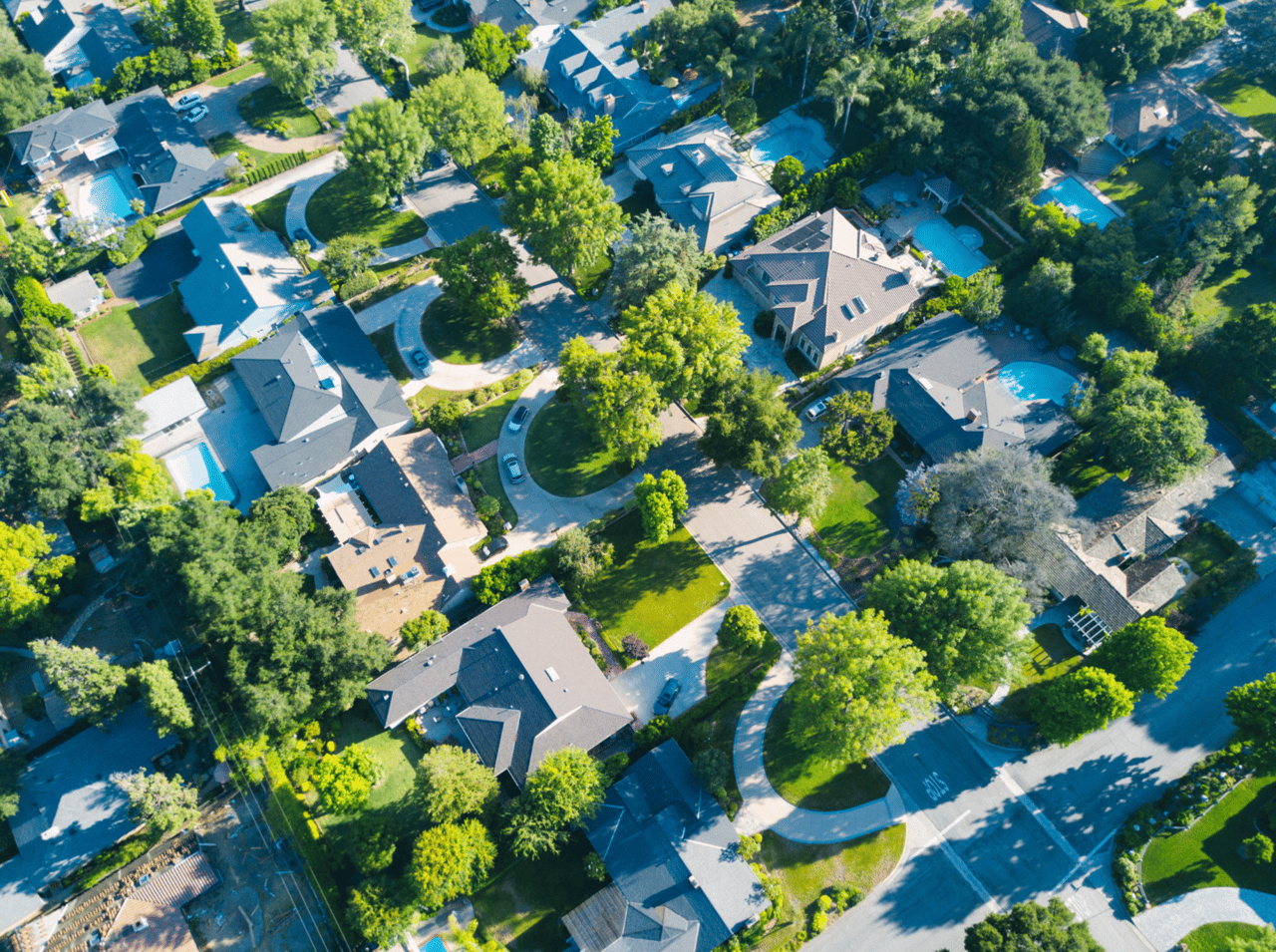
When buyers begin exploring the Raleigh area, the conversation often starts with price, home size, or property features.
Over time, however, one factor tends to carry more weight than expected: location.
Not just the city itself, but where within the area a home is positioned, can influence daily routines, overall lifestyle, and long-term value in meaningful ways.
Understanding these differences helps buyers make decisions that hold up well beyond the initial purchase.
Quick Answer
Location within the Raleigh area directly affects daily lifestyle, commute time, and long-term home value. Proximity to employment centers, amenities, and transportation routes often influences both buyer demand and resale potential.
Commute Patterns Shape Daily Experience
One of the most immediate ways location affects quality of life is through commute.
In the Raleigh area, travel times can vary significantly depending on:
- Proximity to major highways and access points
- Direction of travel during peak hours
- Distance from employment centers and business districts
- Local traffic patterns within specific corridors
Two homes that appear similar on paper may offer very different day-to-day experiences based on how easily residents can move through the area.
For buyers, it is often helpful to consider not just distance, but realistic drive times at different points in the day.

Lifestyle Is Often Tied to Proximity
Beyond commuting, location influences how easily you can access the activities and conveniences that shape daily life.
Some areas of the Raleigh region offer:
- Walkability to shops, restaurants, and parks
- Established gathering places and local amenities
- Closer proximity to cultural or social hubs
Other areas may provide:
- More space and quieter surroundings
- Newer communities with planned amenities
- A different pace of living, with less density
Neither is inherently better, but each supports a different lifestyle.
The key is aligning location with how you prefer to spend your time, not just how the home itself looks.
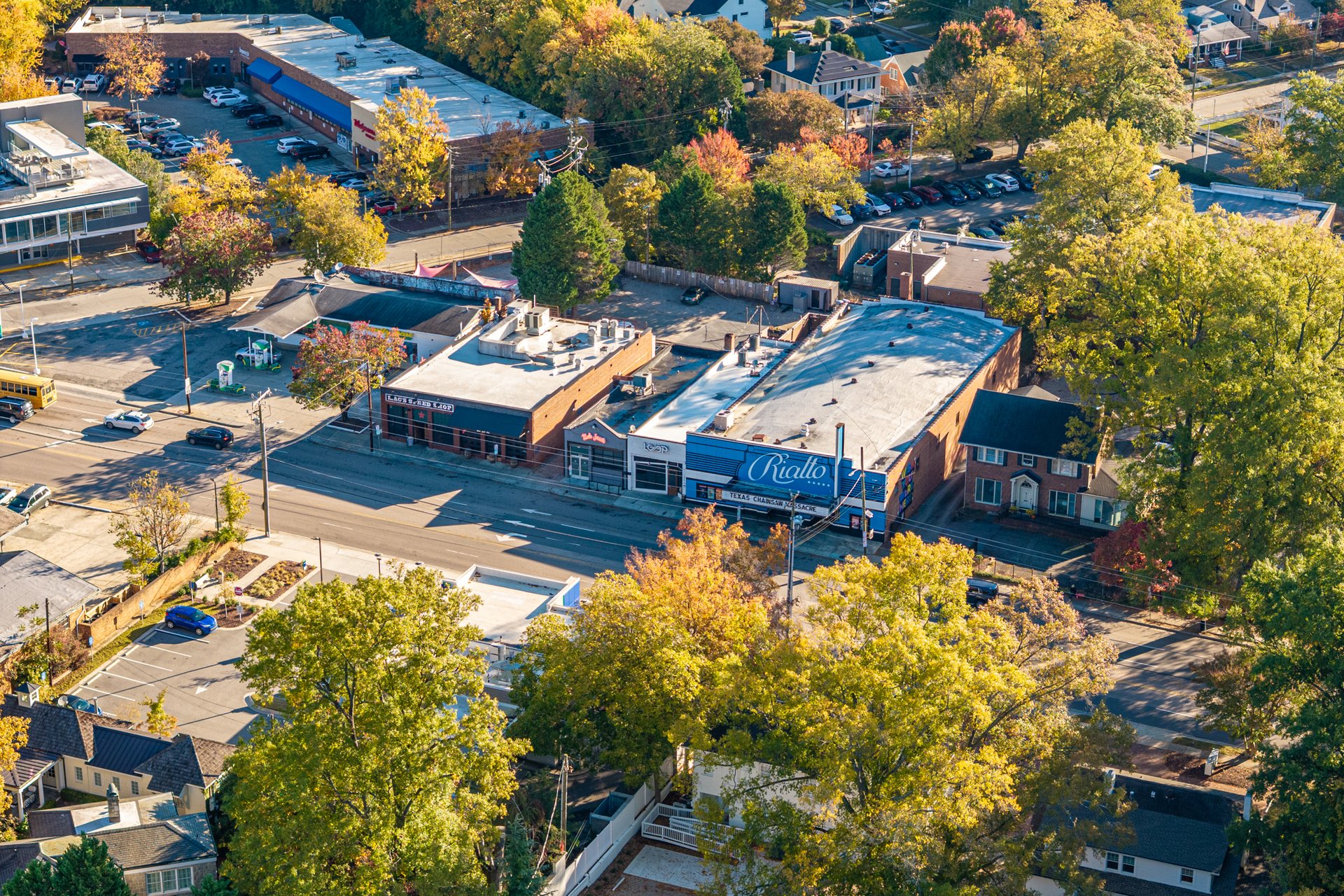
School Assignments and Stability Matter to Many Buyers
For many households, school assignments are a significant part of the location decision.
In the Raleigh area, this includes not only the assigned schools but also:
- The consistency of those assignments over time
- Potential caps or enrollment shifts
- Access to alternative programs or options
Even for buyers without immediate school needs, these factors can influence resale value, as future buyers may weigh them heavily.
Micro-Location Can Influence Value Within the Same Area
It is not uncommon for homes within the same general area, or even within the same neighborhood, to perform differently based on more specific positioning.
Factors that can affect this include:
- Being on a quieter street versus a busier road
- Backing to natural space versus other homes
- Proximity to neighborhood entrances or amenities
- Lot placement and orientation
These details may seem subtle at first, but they often shape both buyer perception and long-term desirability.
Established vs. Developing Areas Offer Different Advantages
Across the Raleigh area, buyers will encounter both established neighborhoods and newer, developing communities.
Established areas tend to offer:
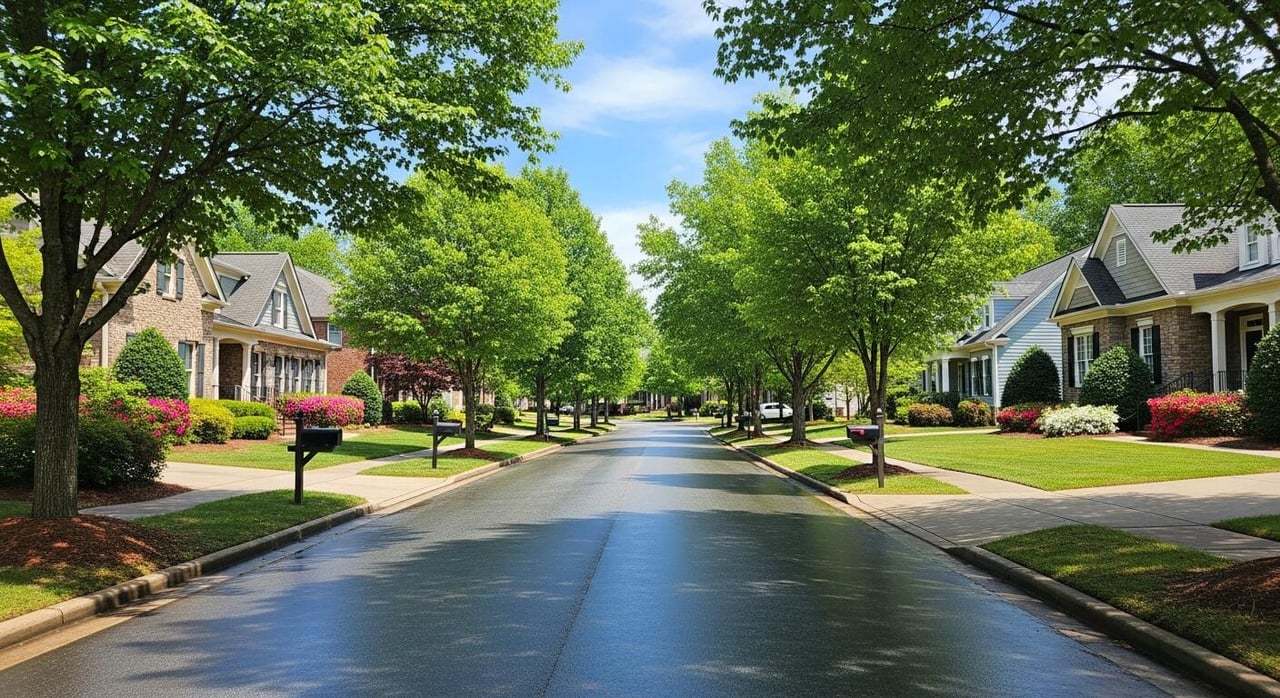
- Mature landscaping and tree canopy
- Consistent neighborhood character
- Proximity to central locations
Developing areas may provide:
- New construction opportunities
- Modern layouts and amenities
- Potential for future growth as the area evolves
Choosing between these often comes down to whether a buyer prioritizes immediate surroundings or is comfortable with an area that is still taking shape.
Value Is Influenced by Both Present and Future Considerations
Location impacts not only how a home is experienced today, but how it may perform over time.
Buyers often consider:
- Long-term growth patterns in the area
- Infrastructure improvements or expansion
- Ongoing development nearby
- Demand trends for specific locations
While no one can predict future value with certainty, areas that balance livability, access, and consistency tend to hold broader appeal.
The Takeaway
In the Raleigh area, location is more than a general concept, it is a series of layered decisions that affect daily life and long-term value.
From commute patterns to neighborhood setting, small differences can shape how a home feels to live in and how it performs in the market.
For buyers, taking time to evaluate these factors carefully often leads to choices that remain satisfying well beyond the closing.