Where This Fits in Your Buying Process
When you begin viewing homes, the list price often becomes the primary reference point.
But price alone does not tell you what a home truly represents.
In the Raleigh area, where homes can vary significantly even within the same price range, understanding how to evaluate beyond that number leads to better decisions, and fewer surprises later.
Quick Answer
Evaluating a home beyond its listing price involves considering location, condition, layout, and long-term usability. Buyers benefit from looking at overall value rather than focusing on price alone.
Price Is the Starting Point, Not the Conclusion
The listing price sets an expectation.
It reflects:
- Market positioning
- Comparable sales
- Seller strategy
But it does not fully account for:
- Condition differences
- Needed updates
- Ongoing ownership costs
Two homes with similar pricing may require very different levels of investment after purchase.
Condition Has Immediate and Long-Term Impact
One of the first areas to evaluate is condition.
This includes both visible and less obvious elements:
- Age and maintenance of major systems
- Quality and consistency of finishes
- Signs of deferred upkeep
A home that appears lower-maintenance may carry less immediate cost, even if priced slightly higher.
A home that requires updates may offer opportunity, but also requires a clear understanding of what those updates involve.
Layout and Function Affect Daily Use
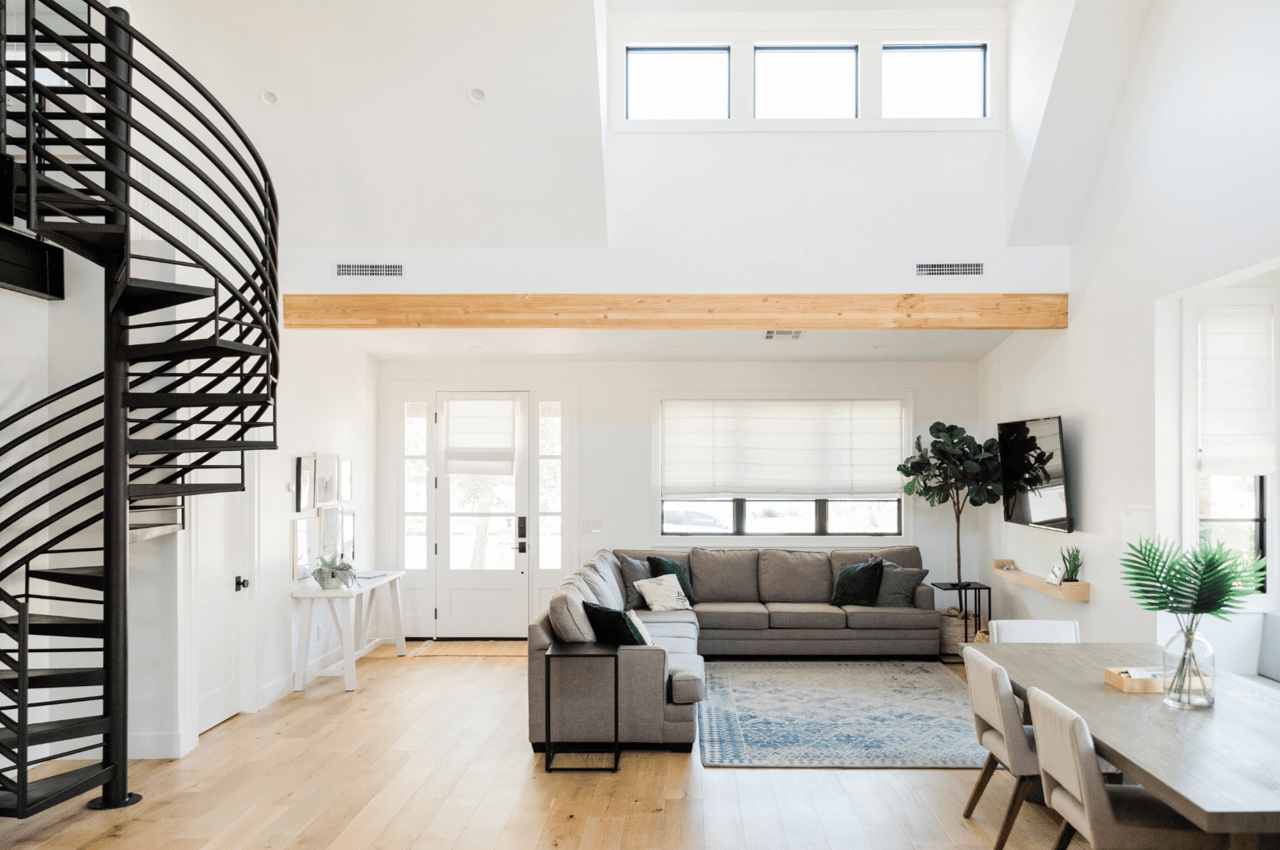
Beyond condition, how a home functions matters just as much as how it looks.
Consider:
- How spaces connect and flow
- Whether the layout supports your daily routine
- If changes would be needed to make the home work long-term
A well-functioning home often holds value better over time, even if it is not the most visually updated.
Location Influences More Than Just Convenience
Location plays a role not only in lifestyle, but in long-term value.
When evaluating a home, consider:
- Proximity to areas you visit regularly
- Neighborhood consistency and overall feel
- How the location compares to others in the same price range
These factors are not always reflected directly in price, but they influence both experience and resale potential.
Future Costs Should Be Considered Early
Beyond the purchase price, it is important to account for what the home may require after closing.
This might include:
- Repairs or updates
- Ongoing maintenance
- Utility efficiency and operating costs
Understanding these factors early helps create a more complete picture of what the home represents financially.
Comparison Provides Clarity
In the Raleigh area, buyers benefit from seeing multiple homes before making a decision.
Comparison helps answer:
- What is typical at this price point?
- What stands out as stronger or weaker?
- Which homes feel aligned with their value?
Rather than focusing on a single property, evaluating options side by side often leads to clearer decisions.

Practical Considerations
When evaluating a home beyond its price, consider:
- What additional investment may be needed after purchase?
- Does the condition align with the price being asked?
- How does this home compare to others in the same range?
- Will this home continue to meet your needs over time?
These questions help move the decision from surface-level to informed.
The Takeaway
In the Raleigh area, the listing price is only one part of the equation.
A home’s true value is shaped by its condition, functionality, location, and future cost.
Buyers who evaluate these elements together tend to make more confident decisions and choose homes that align more closely with their long-term goals.