Home prices in the Raleigh area are not moving in a single direction.
Instead, they are adjusting, subtly in some areas, more noticeably in others, depending on property type, location, and how each home enters the market.
Based on recent data from early 2026, pricing trends are best understood not as a rise or fall, but as a shift toward greater precision.
Quick Answer
Pricing in the Raleigh area is stabilizing after several years of rapid growth, with more frequent price adjustments and a closer alignment between list price and market value. Accurate pricing remains one of the most important factors influencing how a home performs.
Prices Are Adjusting, Not Dropping Across the Board
Recent market data shows that average sales prices have softened slightly, with modest changes in the range of approximately 1–3% depending on property type.
In some segments, particularly resale homes in certain areas, larger adjustments have occurred, often influenced by seasonal patterns and broader market conditions.
This does not reflect a broad decline in home values. Instead, it signals a market that is recalibrating after a period of accelerated growth.
Why Pricing Feels More Sensitive Right Now
One of the more notable influences on current pricing is the role of inventory, particularly new construction.
A significant portion of new construction listings have introduced price reductions, which has contributed to shifts in overall pricing metrics.
Resale sellers, however, often have less flexibility to adjust pricing in the same way. This difference has created a more nuanced pricing environment, where not all segments of the market behave the same.
As a result, pricing now responds more directly to:
- Local competition
- Property condition
- Buyer expectations
The Gap Between List Price and Market Value
In today’s market, list price and market value are no longer loosely connected, they are closely scrutinized.
Recent data indicates that homes are typically selling at approximately 95–99% of their original list price, depending on pricing strategy and adjustments.
When pricing aligns with current conditions from the beginning, outcomes tend to be more efficient and predictable.
When it doesn’t, the process often involves:
- Price adjustments
- Extended time on market
- Greater negotiation
This gap is where much of today’s market activity is taking place.
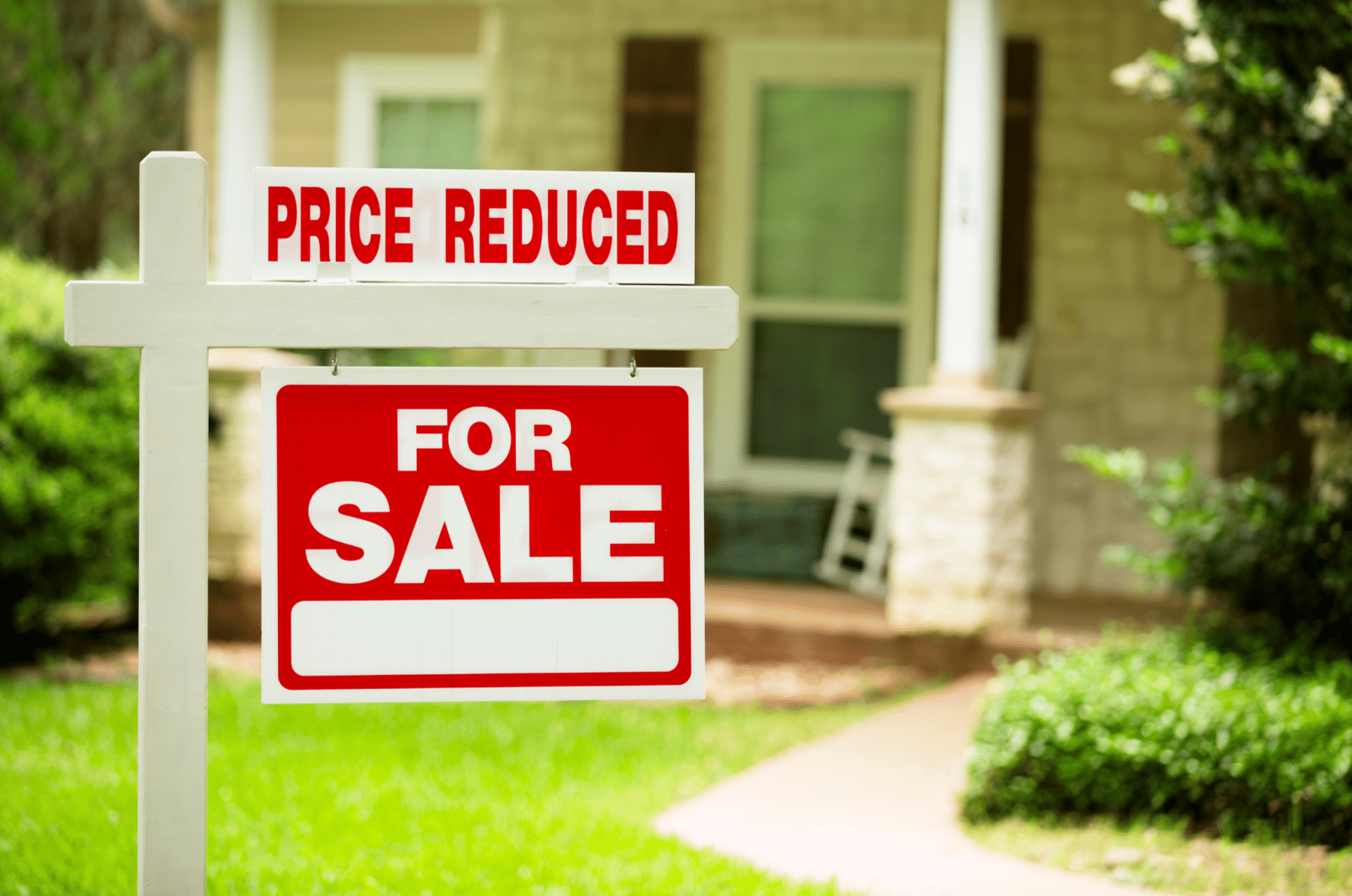
Price Reductions Are More Common- But More Meaningful
Price reductions are not new, but their role has changed.
Recent data shows that a meaningful portion of active listings have experienced at least one price adjustment, reflecting a market that is actively finding its balance.
What matters is not just that reductions are happening, but what they represent.
In many cases, they signal:
- Initial overpricing
- A response to competing inventory
- An adjustment to current buyer expectations
Rather than being viewed negatively, price adjustments are often part of the process of aligning a home with the market.
What Buyers Are Seeing in Today’s Pricing
For buyers, pricing trends are creating a more transparent environment.
Homes that are priced appropriately tend to stand out quickly, while those that are not are easier to identify over time.
This allows buyers to:
- Compare value more clearly
- Recognize when pricing is aligned with the market
- Move forward with greater confidence
At the same time, well-priced homes still generate strong interest and can move quickly.
What Sellers Should Take Away From This
For sellers, pricing strategy has become one of the most important decisions in the process.
The market no longer corrects pricing through competition alone. It responds through timing and adjustment.
Entering the market with a clear understanding of:
- Current conditions
- Comparable properties
- Buyer expectations
can significantly influence both timing and outcome.
Pricing is no longer just a number, it is a positioning decision.
How to Think About Pricing in This Market
Rather than asking whether prices are rising or falling, it is more useful to ask:
How closely does this home align with current market expectations?
That question applies to both buyers and sellers.
For buyers, it helps identify value.
For sellers, it helps determine strategy.
Final Thoughts
The Raleigh area housing market is not experiencing a simple shift in price, it is moving toward greater balance and precision.
For those navigating the market, this creates both clarity and responsibility.
Understanding how pricing functions today allows you to move forward with greater confidence and fewer surprises.
If you’d like guidance tailored to your specific situation, we’re always available as a resource.