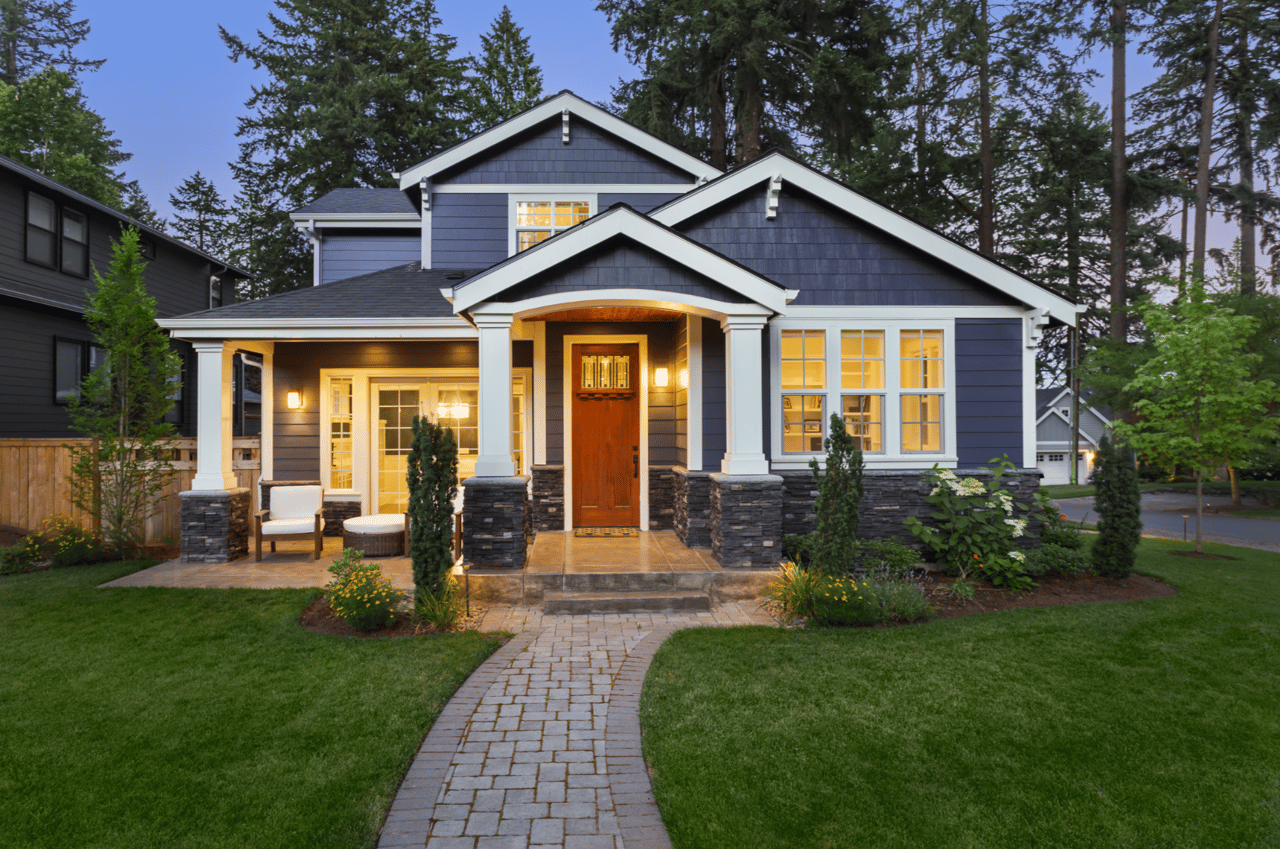
When people talk about home values, the conversation often centers around the market as a whole, whether prices are rising, falling, or stabilizing.
But in practice, home values are shaped just as much by individual property characteristics as they are by broader trends.
In the Raleigh area, two homes in the same price range, or even on the same street, can perform very differently depending on a handful of key factors.
Understanding these differences helps buyers make better decisions and allows sellers to position their homes more effectively.
Quick Answer
Home values in the Raleigh area are influenced by a combination of location, condition, market demand, and property-specific features. Factors such as neighborhood consistency, commute access, and overall presentation often play a larger role than square footage alone.
Location Still Leads- But It’s More Nuanced Than It Sounds
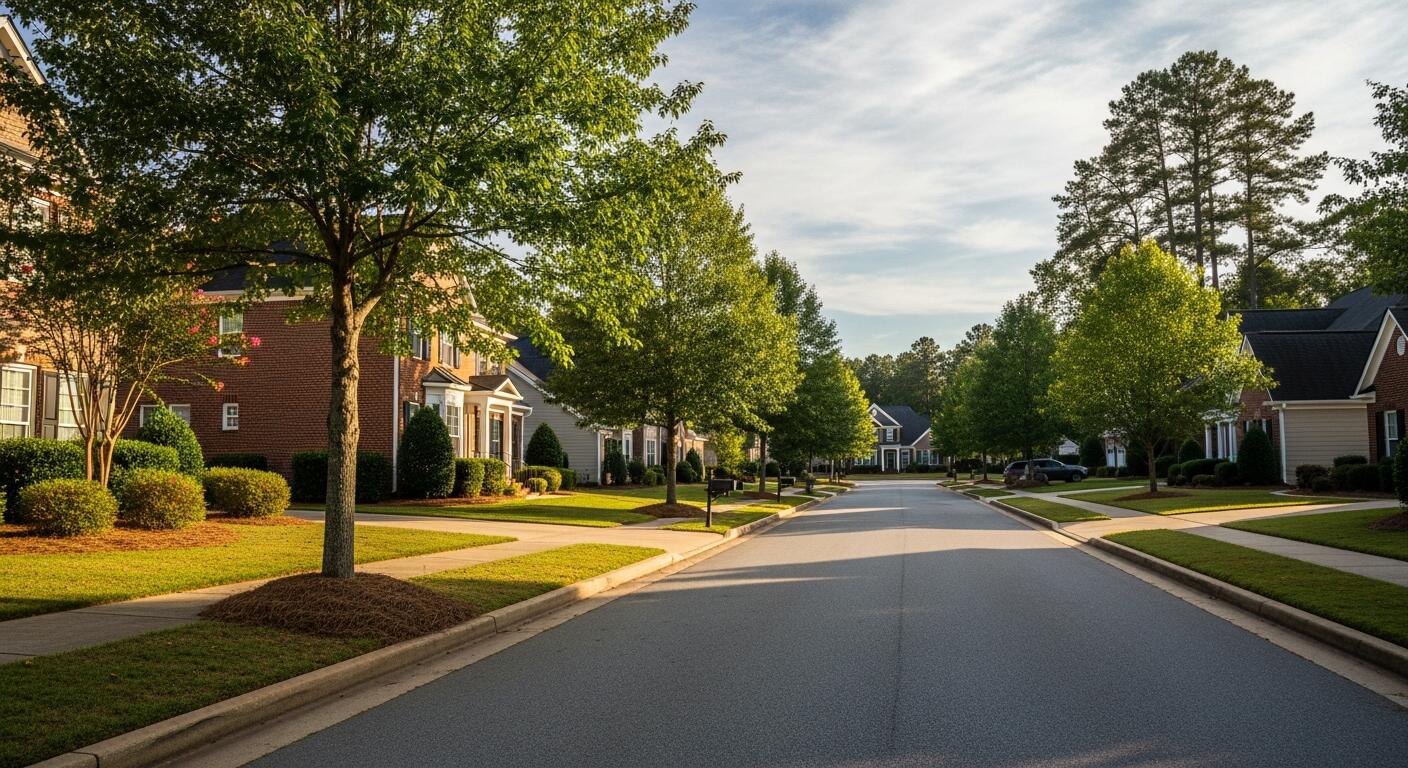
“Location” is often simplified, but in reality, it operates on several levels at once.
Beyond the general area, buyers are paying attention to:
- Proximity to major roads and commute routes
- Access to shopping, dining, and everyday conveniences
- School assignments and district consistency
- Neighborhood feel, layout, and long-term stability
In the Raleigh area, subtle differences, such as being on one side of a main road versus another, can influence both demand and long-term value.
Homes that offer convenience without sacrificing quiet or privacy tend to hold stronger appeal over time.
Condition and Presentation Carry Significant Weight
Buyers today are highly attuned to condition.
Even in a market with limited inventory, homes that feel well-maintained and move-in ready tend to generate stronger interest and more consistent pricing outcomes.
This does not necessarily mean fully renovated.
It often comes down to:
- Cleanliness and overall upkeep
- Updated or well-maintained major systems (roof, HVAC, windows)
- Neutral, well-lit interiors
- A sense that the home has been cared for over time
Homes that require immediate work or feel dated in a noticeable way may still sell, but often with more negotiation or longer time on market.
Updates Matter- But Not All Improvements Add Equal Value
Not every upgrade contributes equally to a home’s value.
In the Raleigh area, buyers tend to respond most strongly to updates that impact daily use and long-term maintenance.
These typically include:
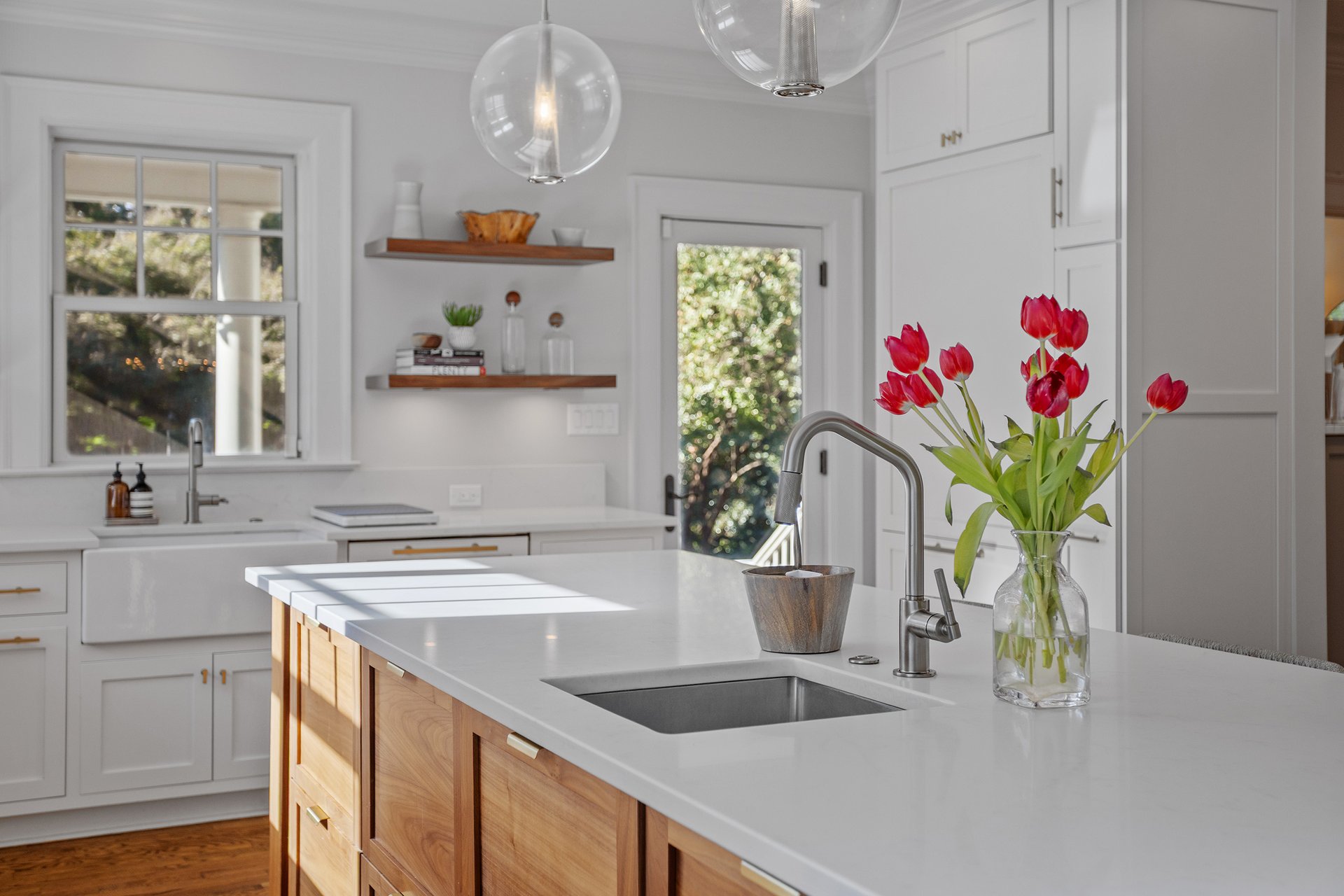
- Kitchens and primary bathrooms
- Flooring and overall continuity of finishes
- Energy-efficient features and newer systems
- Functional layouts (open or improved flow)
Highly personalized or niche upgrades may not translate into broader market appeal.
The goal is not to create something unique for its own sake, but to align with what most buyers recognize as practical and well-executed.
Lot, Setting, and Exterior Appeal Influence First Impressions
Before buyers step inside, they are already forming expectations.
Lot characteristics and exterior presentation play a meaningful role in perceived value.
This includes:
- Lot size and usable outdoor space
- Privacy and spacing between homes
- Landscaping and curb appeal
- Placement within the neighborhood (corner lot, backing to woods, etc.)
Homes with a strong exterior presence often attract more initial interest, which can shape how the rest of the showing experience is received.
Pricing Strategy Still Matters- Even in a Stable Market
While property-specific factors are critical, pricing remains the lens through which buyers evaluate everything else.
In the Raleigh area’s more balanced conditions, buyers are comparing options more carefully.
A home that is priced in alignment with its condition, location, and updates tends to:
- Generate more consistent showing activity
- Receive stronger offers earlier
- Avoid extended time on market
On the other hand, pricing that assumes top-of-market performance without the supporting features often leads to adjustments over time.
Buyer Expectations Continue to Shape Value
Home values are ultimately determined by what buyers are willing to pay.
That willingness is influenced by current expectations.
Today’s buyers in the Raleigh area are generally:
- More informed due to access to online listings and data
- More selective in how they evaluate condition and pricing
- Less inclined to overlook deferred maintenance
This shift does not reduce demand, it simply refines it.
Homes that align with these expectations tend to perform more predictably.
The Takeaway
Market trends provide context, but individual property characteristics drive outcomes.
In the Raleigh area, value is shaped by a combination of location, condition, updates, presentation, and pricing strategy, filtered through current buyer expectations.
For buyers, this means looking beyond list price to understand what supports long-term value.
For sellers, it means focusing on the elements that today’s buyers consistently respond to, rather than relying on the market alone to carry the result.