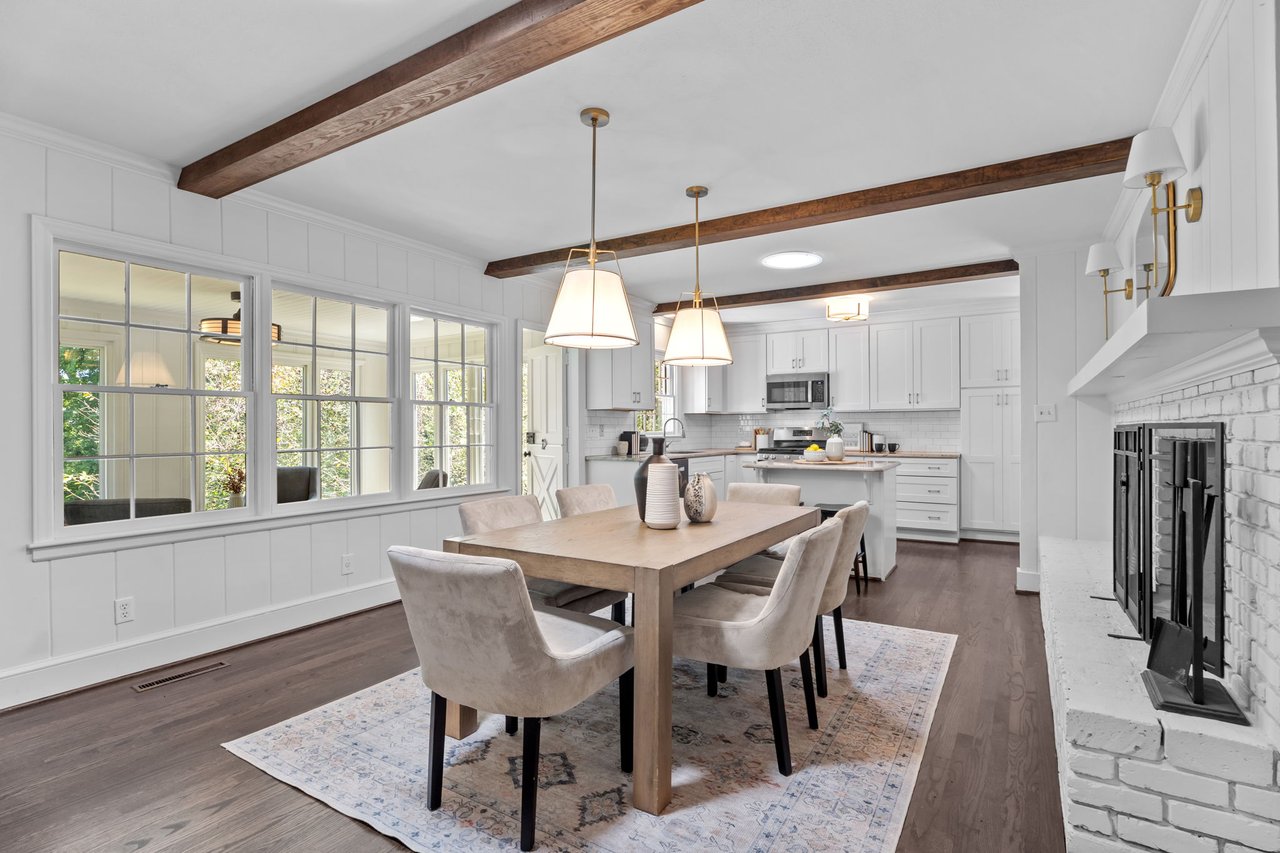
Where This Fits in Your Selling Process
Once your home goes live, the first 7–10 days provide the clearest initial feedback you will receive from the market.
This period is not just about showings or offers, it is where pricing, preparation, and presentation are tested in real time.
Understanding what to look for during this window helps you interpret activity with clarity rather than uncertainty.
Quick Answer
The first 7–10 days on market in the Raleigh area are critical for establishing buyer interest and momentum. This period often determines how a home is perceived, influencing showing activity, feedback, and whether price or positioning adjustments may be needed.
Early Activity Reflects Alignment
When a home first hits the market, it is exposed to the largest pool of active buyers.
These are buyers who have been watching closely and are ready to evaluate new listings as they appear.
During this initial window, strong alignment typically shows up as:
- Consistent showing activity
- Favorable feedback or minimal objections
- Early interest that may lead to offers
If a home is positioned well, this activity often builds naturally without needing adjustment.
Showings Tell a More Complete Story Than Offers Alone
It is easy to focus on whether offers come in quickly, but showings are often the more reliable early indicator.
Consistent showings suggest that:
- The home is priced within the range buyers are considering
- The presentation is attracting attention online
- Buyers see enough value to view the home in person
Limited showing activity, on the other hand, often points to a disconnect, usually related to pricing or how the home is perceived relative to other options.

Buyer Feedback Should Be Interpreted as Patterns, Not Opinions
Individual comments can vary, but patterns in feedback are more meaningful.
For example:
- Repeated mentions of pricing concerns
- Consistent notes about condition or needed updates
- Comments about layout or flow
These patterns provide insight into how buyers are collectively experiencing the home.
Rather than reacting to each comment, it is more useful to look for themes that appear across multiple showings.
The Role of Online Presentation Becomes Clear Quickly
The first week also reveals how effectively the home is translating online.
If a listing is receiving:
- High online views but low showing requests, it may indicate hesitation after initial interest
- Limited views overall, it may suggest that pricing or positioning is narrowing visibility
In the Raleigh area, where buyers are often reviewing multiple listings side by side, this early response can be telling.

Timing Still Matters- But It’s Not the Only Factor
While timing can influence activity, it rarely overrides positioning.
For example:
- Listings that launch just before or during weekends may see increased early traffic
- Seasonal patterns can affect overall buyer activity
However, even well-timed listings will underperform if pricing or presentation is misaligned.
Timing supports strategy, it does not replace it.
What a Slower Start May Indicate
If activity is more limited during the first 7–10 days, it is often a signal rather than a setback.
Common indicators include:
- Fewer showings than expected
- Repeated feedback around price or condition
- Buyers choosing to view competing homes instead
This does not mean the home will not sell, it means the market is providing early guidance.
Practical Considerations
During the first 7–10 days, it can be helpful to step back and evaluate:
- Are showings consistent with expectations for this price range and location?
- Is buyer feedback pointing to a specific concern, or is it varied?
- How does this home compare to others currently on the market that are receiving more attention?
- If adjustments are needed, is it better to make them early rather than later?
These considerations help turn early activity into actionable insight.
The Takeaway
The first 7–10 days on market in the Raleigh area are less about immediate results and more about clarity.
This period reveals how well a home is aligned with buyer expectations, through showings, feedback, and overall engagement.
Sellers who approach this window as a source of information, rather than pressure, are better positioned to make thoughtful decisions as the process continues.