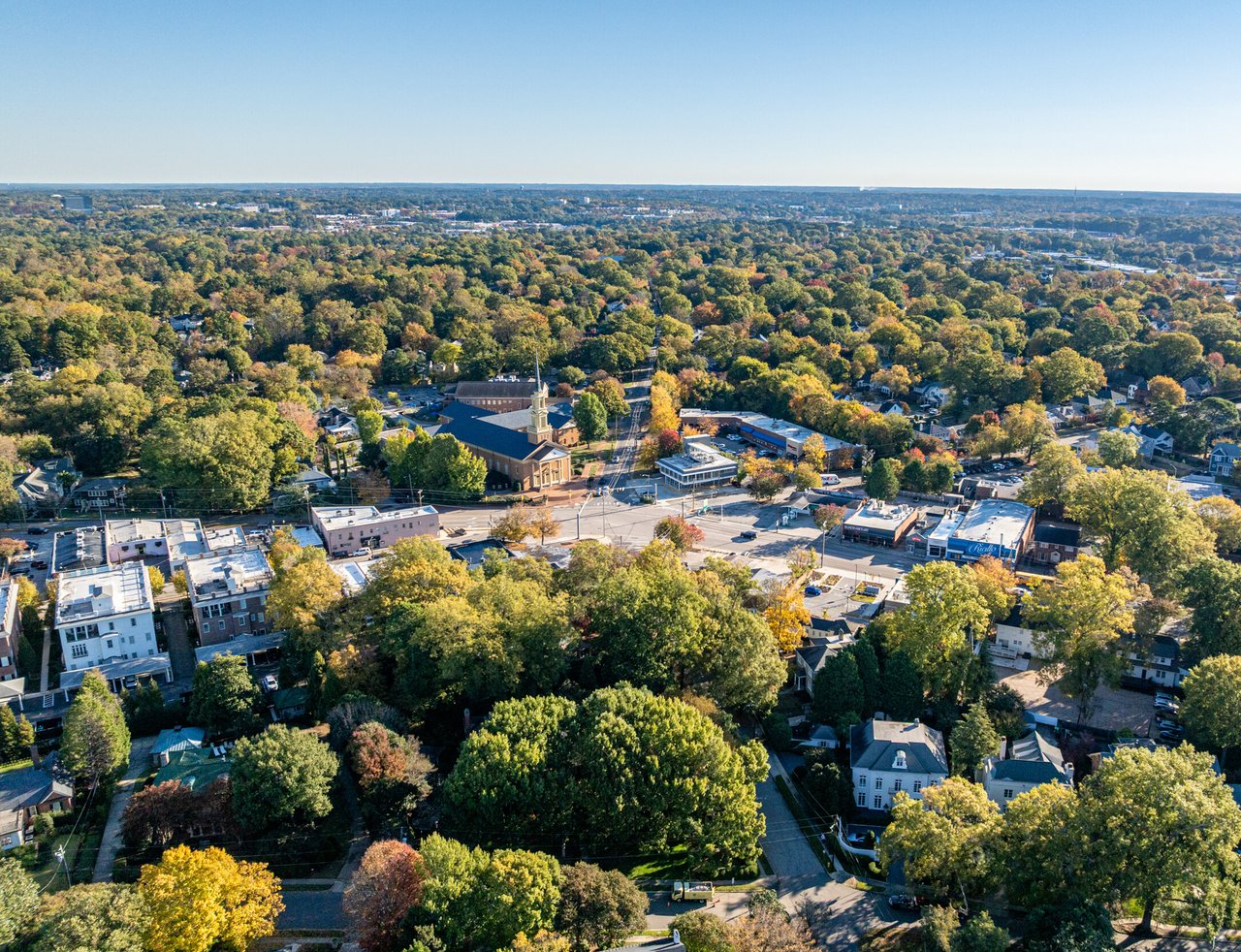
For buyers relocating to Raleigh, understanding neighborhood personality is just as important as evaluating price or square footage. In central Raleigh, Hayes Barton and Five Points sit within close proximity, separated by only a short walk or drive, yet each carries its own subtle identity and rhythm.
Because these neighborhoods are practically neighbors, comparing them is less about choosing one “over” the other and more about understanding the nuanced differences in atmosphere, architecture, and daily convenience. For many buyers, those distinctions shape long-term comfort just as much as the home itself.
If you are considering established Raleigh neighborhoods as part of your relocation planning, exploring Hayes Barton and Five Points provides helpful insight into central Raleigh living.
Hayes Barton: Timeless Architecture and Residential Calm
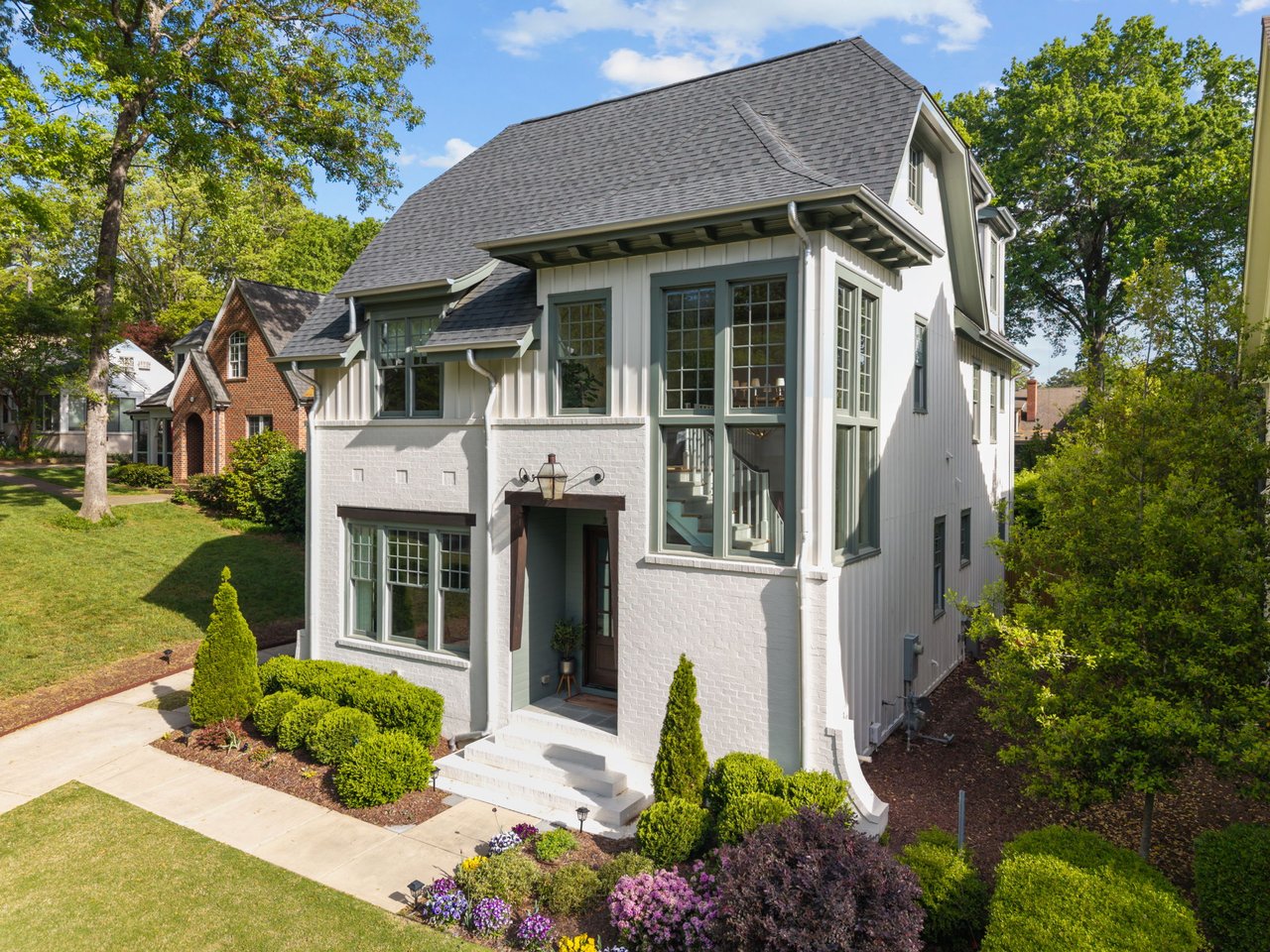
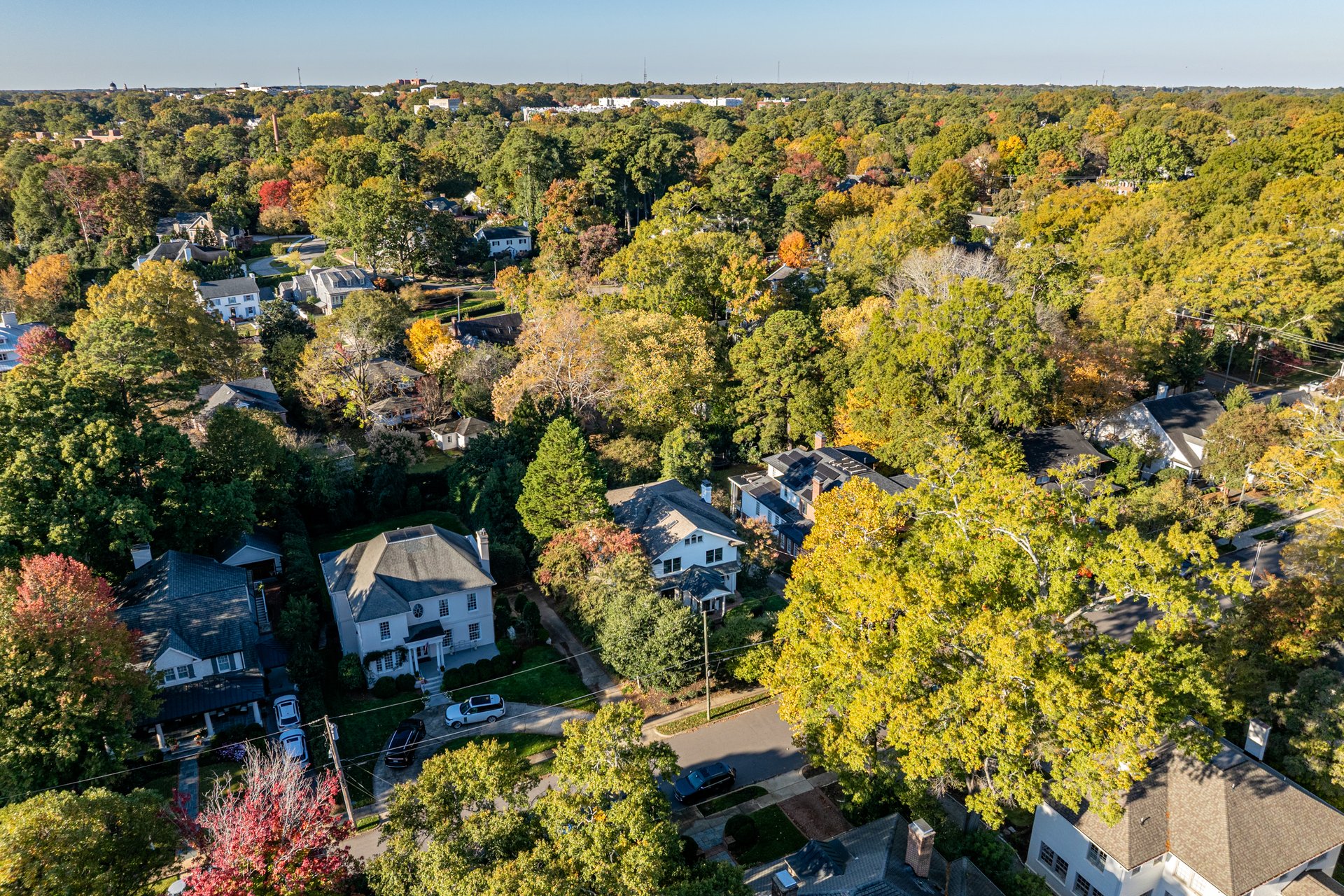
Hayes Barton is widely recognized for its mature tree canopy, generous lot sizes, and enduring architectural character. Developed primarily in the early to mid-20th century, the neighborhood features Colonial Revival, Georgian, and traditional brick homes that convey a sense of permanence and understated elegance.
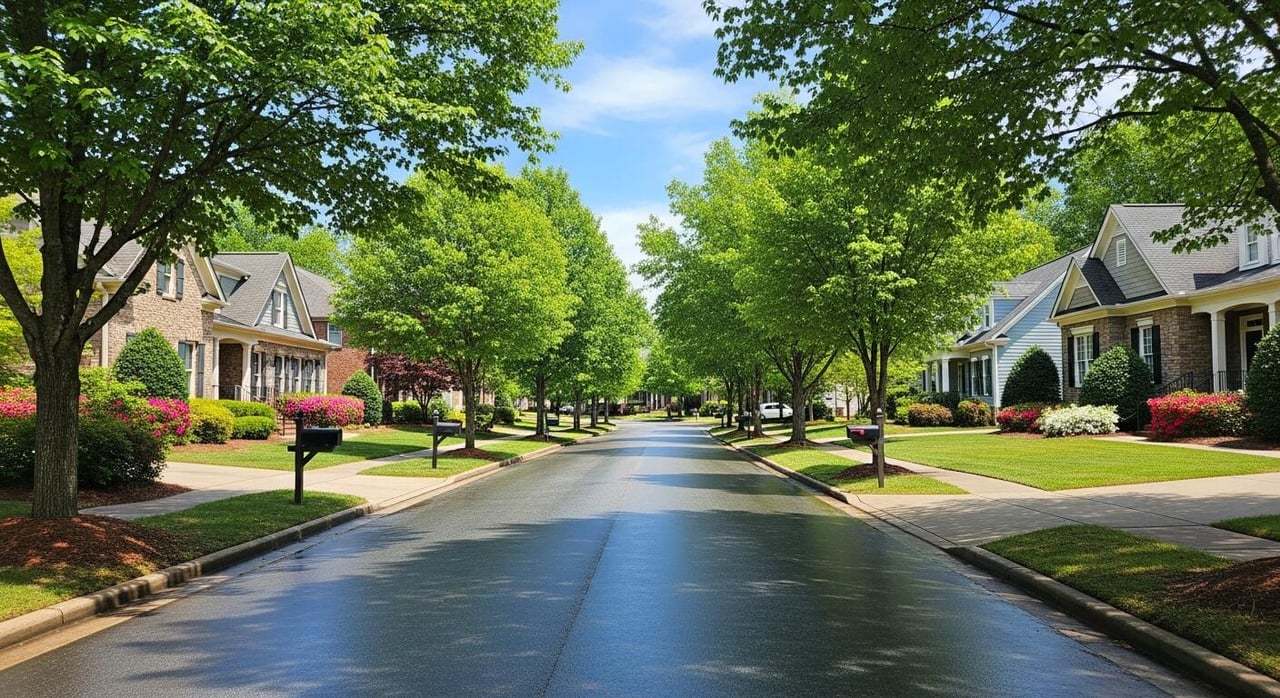
The streets in Hayes Barton tend to feel residential and composed. While it is only minutes from downtown Raleigh and the Village District, the interior roads remain quiet and primarily lined with single-family homes. Sidewalks and tree-lined streets contribute to a classic neighborhood feel that appeals to buyers seeking stability and architectural distinction.
Many who gravitate toward Hayes Barton appreciate its larger homes, deeper setbacks, and long-standing reputation within Raleigh’s historic core.
You can explore a broader breakdown in our guide to the cost of living in the Raleigh area.
Five Points: Walkability and Local Energy
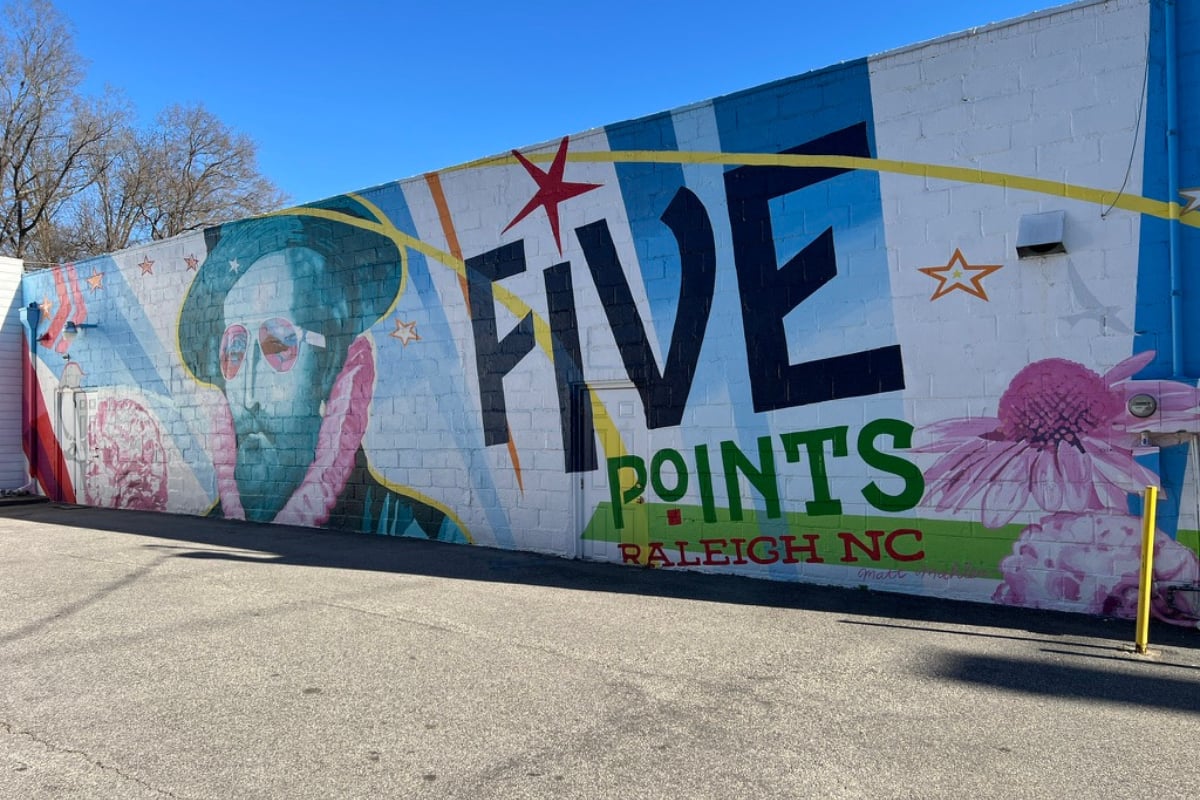
Just a short distance away, Five Points offers historic charm with a slightly more visible neighborhood energy. Anchored by a small commercial intersection where several roads converge, the area blends residential streets with accessible restaurants, cafés, and local businesses.
Homes in Five Points often include early 20th-century bungalows, Craftsman designs, and renovated cottages, alongside selective infill development. Lot sizes may be somewhat smaller than in Hayes Barton, but proximity to neighborhood amenities adds daily convenience.
For buyers who value being able to walk to a coffee shop, local market, or community gathering spot, Five Points provides an established setting with accessible retail and dining woven into the neighborhood fabric.
Shared Location, Subtle Differences
Because Hayes Barton and Five Points are so close geographically, commute patterns are largely similar. Both provide efficient access to downtown Raleigh, North Hills, and major roadways connecting to Research Triangle Park.
The distinction lies more in residential atmosphere than in distance. Hayes Barton often feels more exclusively residential and spacious, while Five Points integrates a small commercial hub that adds visible neighborhood activity.
These differences are nuanced rather than dramatic, and that nuance is often what helps buyers determine which setting aligns best with their daily preferences.
Home Styles and Long-Term Value
Both neighborhoods are well-established, and housing inventory can be limited due to strong demand and minimal expansion. Architectural character plays a significant role in buyer appeal, and homes in either area tend to retain long-term desirability within Raleigh’s central market.
Hayes Barton frequently features larger traditional homes on generous lots. Five Points offers a broader mix of bungalow-style homes, renovations, and updated properties. Buyers should consider not only aesthetic preference but also renovation tolerance, outdoor space needs, and long-term lifestyle goals.
Finding the Right Fit in Central Raleigh
Choosing between Hayes Barton and Five Points is rarely about which neighborhood is “better.” Instead, it is about understanding how subtle differences in layout, activity level, and home style influence daily life.
Spending time in both neighborhoods at different hours can provide meaningful clarity. Observing foot traffic, parking patterns, nearby amenities, and overall pace often reveals which environment feels most natural.
For buyers relocating to the Raleigh area, central neighborhoods like Hayes Barton and Five Points demonstrate how proximity does not always mean sameness. Within just a few blocks, the character of daily living can shift, and that shift may be exactly what helps you feel at home.
Explore More Raleigh Area Communities
If you're researching neighborhoods across the Raleigh area, our Raleigh Area Communities Guide provides a helpful overview of many cities, towns, and neighborhoods people consider when relocating to the region.
Browse Raleigh area communities and neighborhood insights → Raleigh Area Communities Guide