Relocating to a new area involves more than selecting the right home. For families with school-aged children, understanding how school assignments work can play a significant role in location decisions.
The Raleigh area offers a range of public, charter, and private school options. However, school assignments are determined by district structure and zoning rather than neighborhood name alone. Having a clear understanding of how the system operates allows families to make informed and confident decisions.
Below is a practical overview to help relocating families navigate the process and better understand how schools connect to housing decisions throughout the Raleigh area.
1. Wake County Public School System Overview
Most of the Raleigh area falls within the Wake County Public School System (WCPSS), one of the largest school districts in North Carolina.
Because Wake County includes Raleigh and many surrounding communities, school assignments are based on geographic zones rather than city boundaries alone. This structure is important for relocating buyers to understand early in their home search.
This means:
-
Two homes within the same neighborhood may feed into different schools
-
A Raleigh mailing address does not automatically determine a specific school
-
Assignment maps are updated periodically to accommodate growth
Because of this, verifying school assignments based on the specific property address is an essential step before purchasing a home.
2. Base Schools, Caps, and Enrollment Considerations
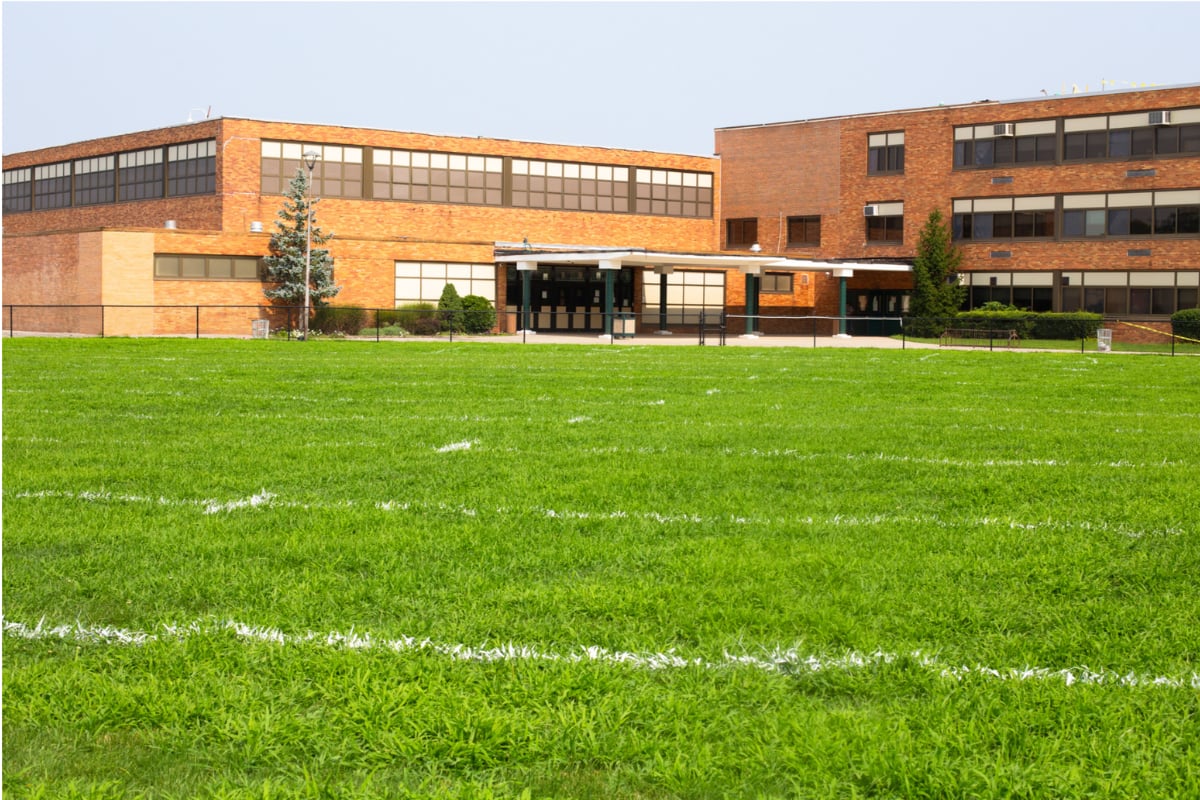
Each property is assigned a “base” elementary, middle, and high school. However, some schools may operate under enrollment caps due to capacity, which can impact final assignments.
When a school is capped:
-
New students may be assigned to an overflow school
-
Families may need to apply for reassignment
These adjustments are common in growing regions like the Raleigh area, where continued population growth influences enrollment patterns over time.
For relocating families, confirming the current assignment and understanding potential enrollment status before closing provides important clarity and helps avoid unexpected changes after move-in.
3. Charter and Private School Options
In addition to traditional public schools, the Raleigh area includes a variety of alternative education options that may appeal to different family needs and preferences.
These include:
-
Public charter schools
-
Magnet programs within WCPSS
-
Independent and faith-based private schools
Charter schools operate independently from the county district and typically require an application process. Admission may involve a lottery system depending on demand.
Magnet schools offer specialized curriculum tracks such as STEM, arts, or language immersion and also require application and acceptance.
Families considering these options should review application timelines carefully, as deadlines often occur months before the school year begins.

4. School Ratings and Research Tools
Relocating buyers often begin their search by looking for “top-rated schools.” While third-party rating platforms can provide a helpful starting point, they do not always reflect the full picture of a school community.
A more comprehensive approach includes:
-
Reviewing official Wake County school profiles
-
Touring schools when possible
-
Speaking with administrators or counselors
-
Evaluating academic programs and extracurricular offerings
-
Considering commute distance and transportation logistics
Every family’s priorities differ. Academic rigor, arts programming, athletics, class size, and campus culture may weigh differently depending on individual needs.
Taking time to evaluate multiple factors can provide a more balanced perspective when comparing school options across the Raleigh area.
5. How Schools Influence Real Estate Decisions
In many cases, school assignments can influence housing decisions throughout the Raleigh area.
Buyers may notice impacts on:
-
Neighborhood demand
-
Price ranges within certain zones
-
Long-term resale considerations
However, it is important not to evaluate a home purchase based solely on perceived school reputation. Market dynamics shift, zoning can change, and long-term satisfaction often includes broader lifestyle considerations such as commute, community amenities, and overall home functionality.
Balancing school research with overall relocation priorities leads to more stable and confident decision-making.
6. Planning Ahead as a Relocating Family
Families moving from out of state or transitioning within the region should plan ahead for school-related logistics.
Important considerations may include:
-
Registration documentation requirements
-
Immunization record transfers
-
Enrollment timelines
-
Transportation routes
-
After-school care availability
Organizing these details early helps reduce stress during the transition and allows families to focus on settling into their new home and community.
Because school zoning and enrollment can change, it is always recommended to confirm information directly with the school district before finalizing decisions.
Final Perspective
The Raleigh area offers diverse educational opportunities across public, charter, magnet, and private institutions. Understanding how assignments work, and verifying details for each specific property, allows families to move forward with greater clarity and confidence.
For a broader overview of housing costs, neighborhood styles, and relocation planning, visit our Relocating to the Raleigh Area resource page.
Explore More Raleigh Area Resources
• Raleigh Neighborhood Styles
• Relocating to the Raleigh Area: A 60–90 Day Timeline
• Buying a Home in the Raleigh Area
• Raleigh Area Intelligence Resource Center