When relocating to the Raleigh area, choosing the right neighborhood often matters just as much as choosing the right home.
Two properties at similar price points can feel entirely different depending on location, lot size, surrounding development, and the overall rhythm of daily life. Understanding these differences early helps buyers avoid frustration and focus their search more effectively.
The Raleigh area offers a mix of urban settings, newer suburban communities, and established neighborhoods with mature landscapes. Each provides a distinct lifestyle experience.
Below is a practical comparison of common neighborhood styles found throughout the Raleigh area to help guide your decision-making process.
Quick Answer
Neighborhood choice in the Raleigh area plays a significant role in both daily lifestyle and long-term value. Urban, suburban, and established communities each offer different trade-offs in commute, space, and home style, making it important to evaluate how each aligns with personal priorities.
1. Urban and Close-In Communities
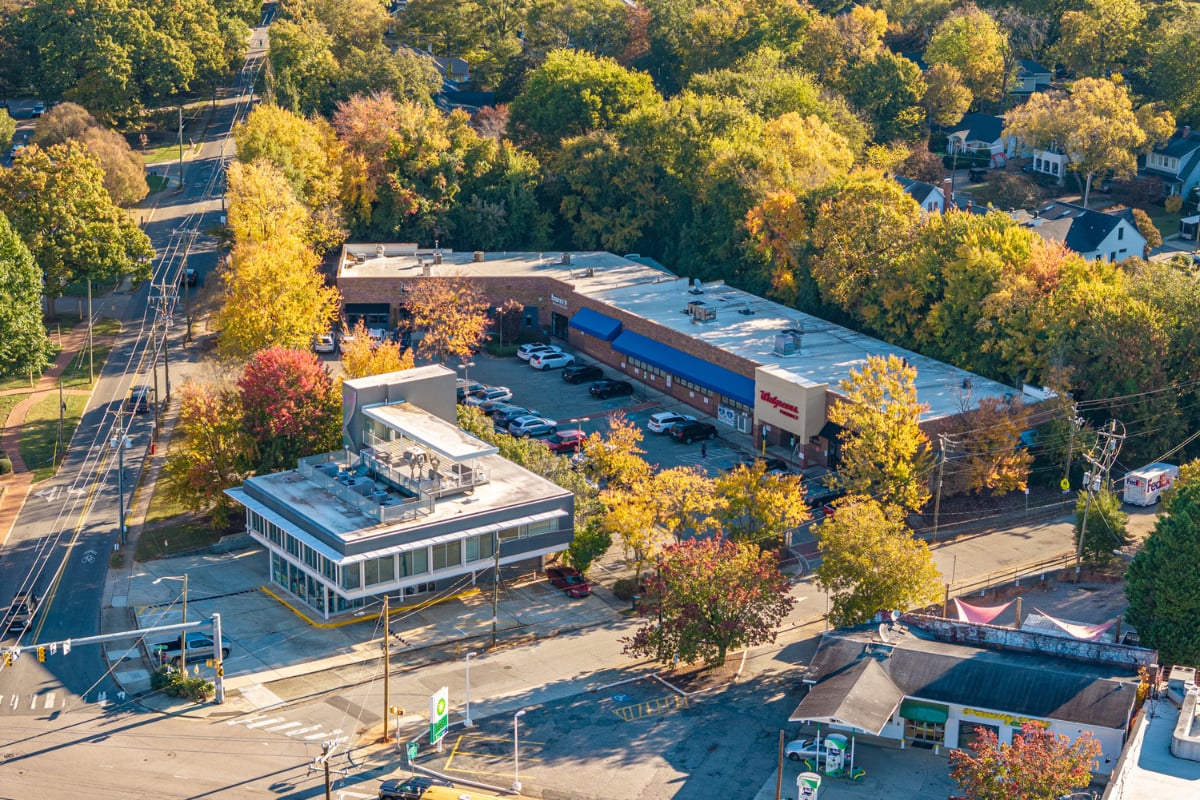
Homes located closer to downtown Raleigh and major employment centers often offer convenience and accessibility that appeal to many relocating buyers.
These areas typically provide:
-
Shorter commute times
-
Walkability to restaurants and local businesses
-
Smaller lot sizes
-
Higher price per square foot
-
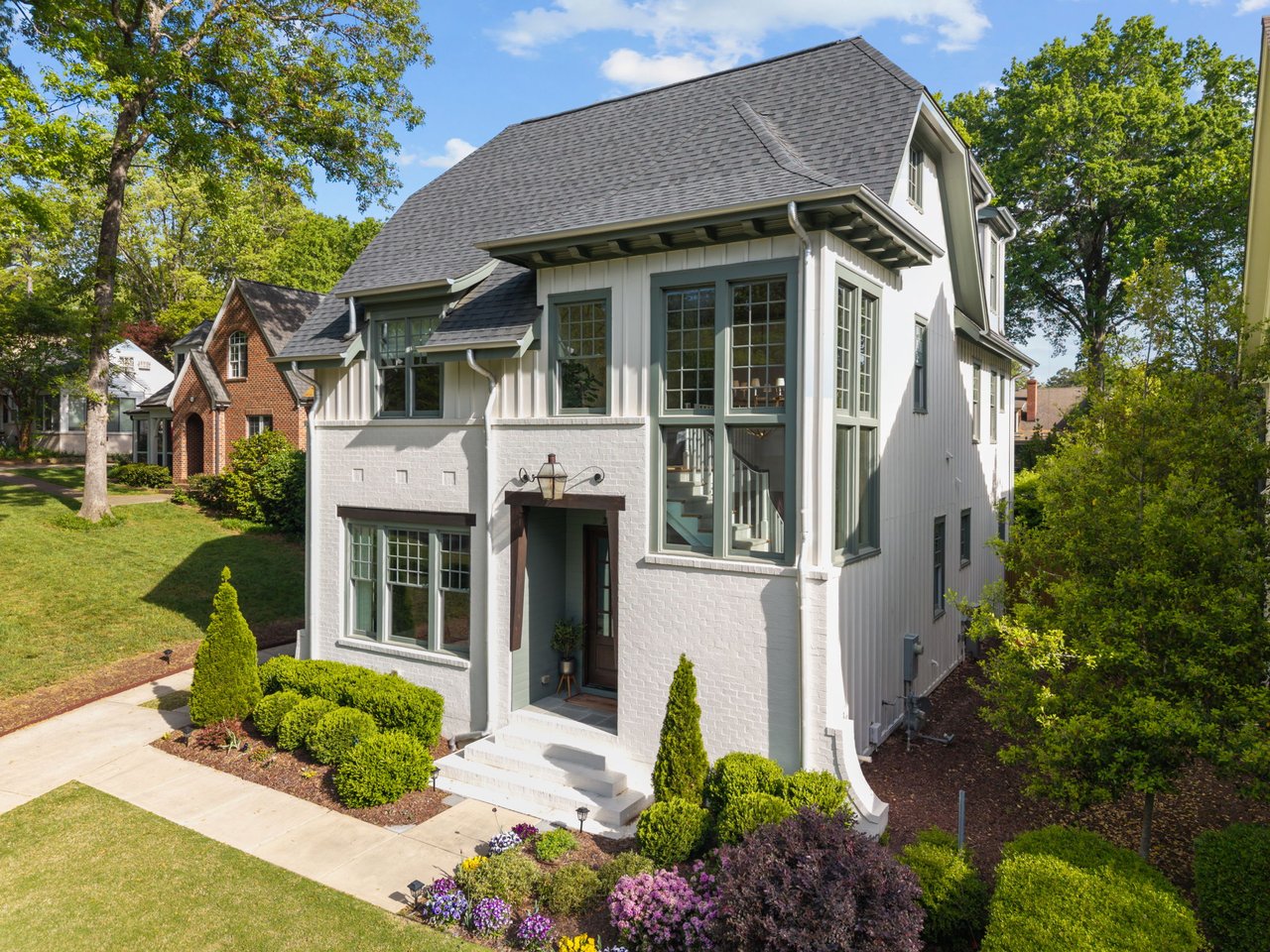
A mix of historic homes and newer infill construction
Buyers may encounter:
-
Renovated historic properties
-
Townhomes
-
Modern single-family homes on smaller lots
For those prioritizing proximity and access to daily amenities, urban communities can offer a more connected lifestyle, even if overall square footage is reduced compared to suburban options.
2. Newer Suburban Developments
Many communities throughout the Raleigh area consist of homes built within the past 10–20 years, offering modern layouts and neighborhood design.
These suburban developments often include:
-
Larger floor plans
-
Open-concept living spaces
-
Community amenities such as pools or walking trails
-
Sidewalks and neighborhood connectivity
-
HOA governance
While lot sizes can vary, these neighborhoods typically provide more interior space at a similar price point compared to urban locations.
Commute times may increase depending on distance from employment hubs, but many buyers find value in the added space, newer construction, and community features.
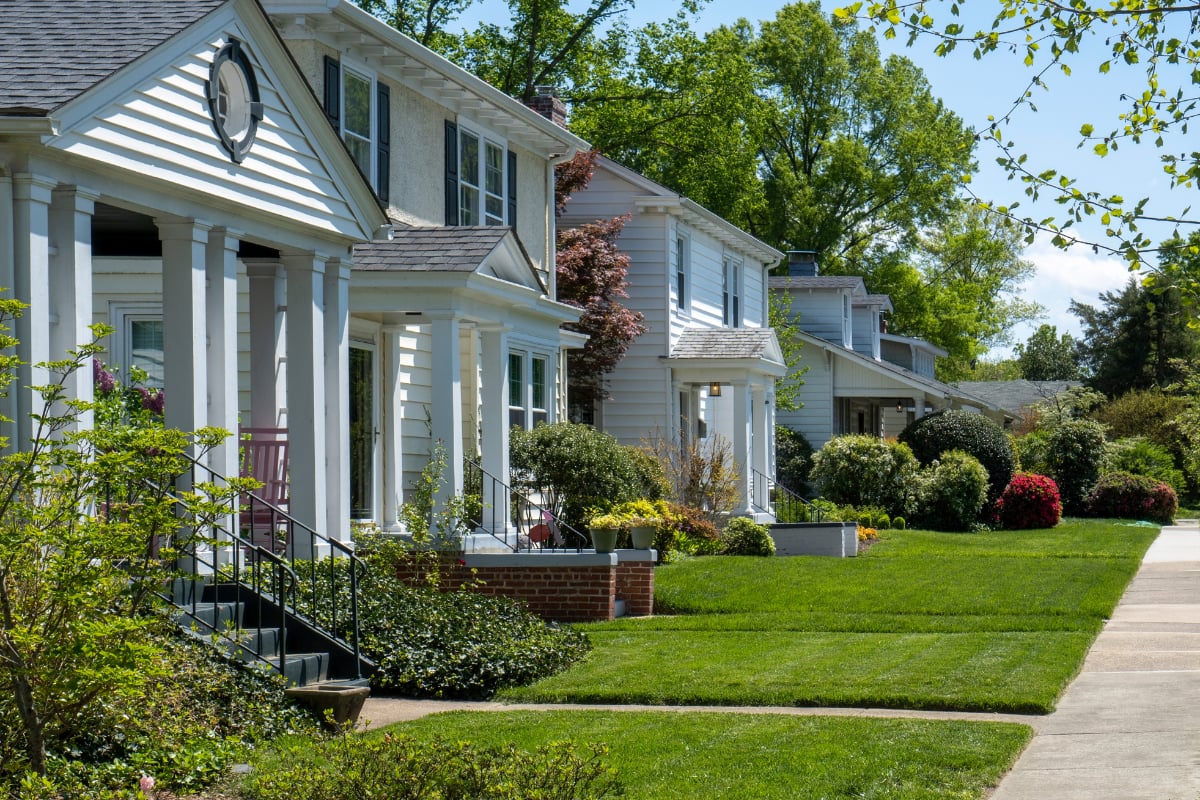
3. Established Residential Areas
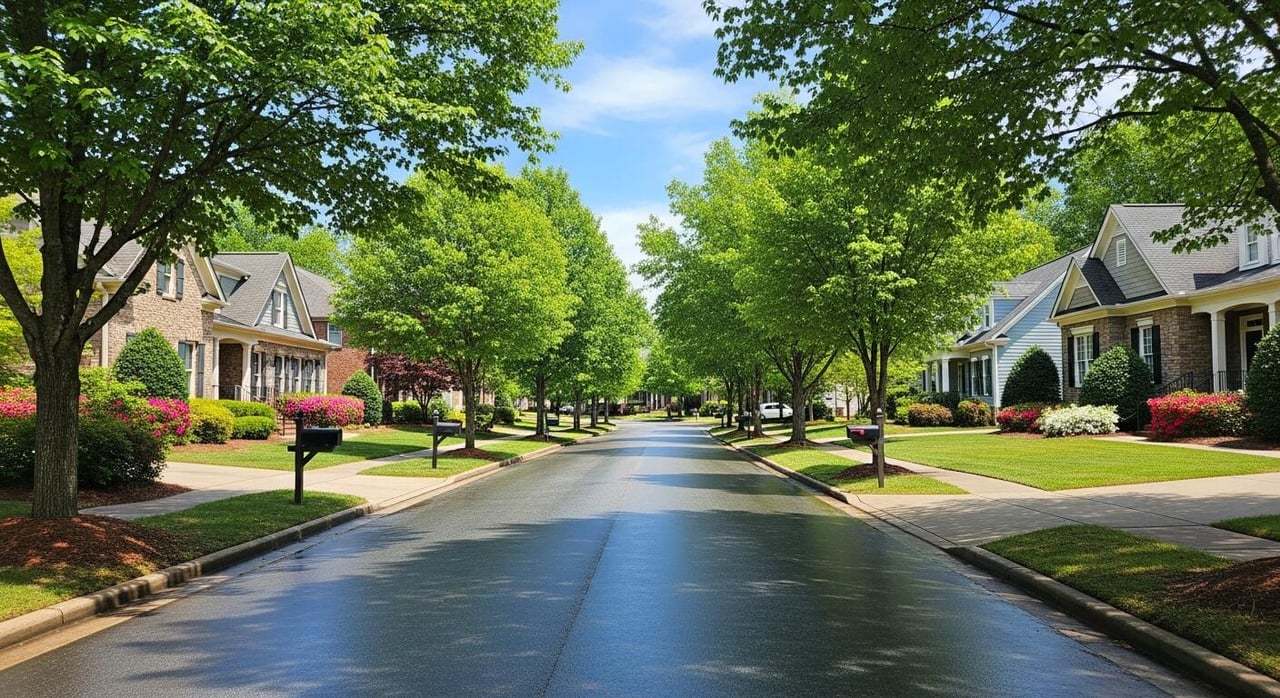
Established neighborhoods offer a different type of appeal, often defined by character and long-term stability.
These communities may include homes built 20–50+ years ago and often feature:
-
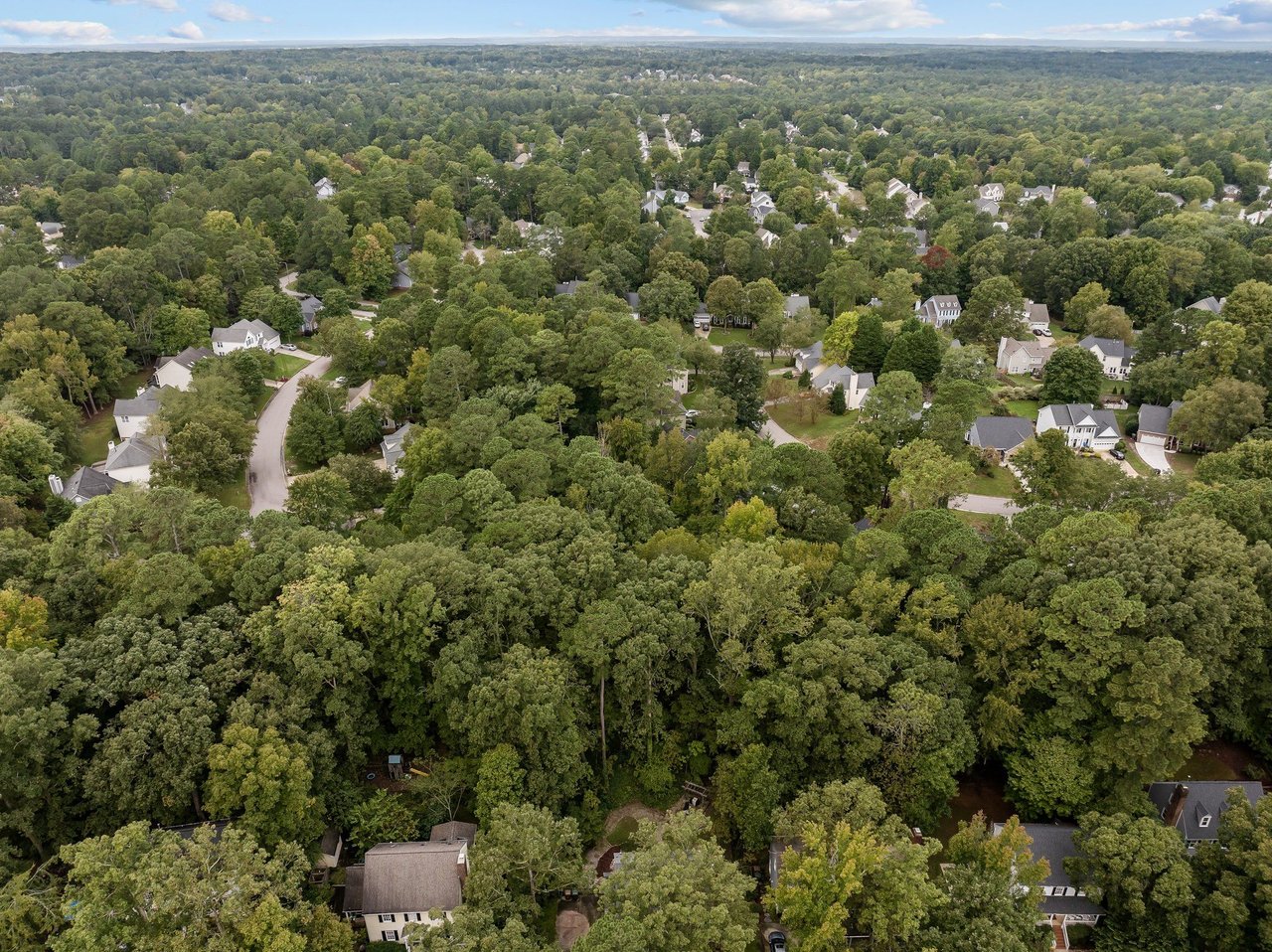
Mature trees and landscaping
-
Larger or irregular lot layouts
-
Unique architectural character
-
Renovated interiors within original structures
Some established areas provide a balance between proximity and space, though the level of renovation and modernization can vary by property.
Buyers who appreciate architectural character and a sense of permanence are often drawn to these neighborhoods.
4. Townhome and Low-Maintenance Living
For buyers seeking reduced exterior maintenance, townhome communities offer a practical alternative to traditional single-family homes.
These communities typically provide:
-
Smaller footprint homes
-
HOA-managed exterior upkeep
-
Shared amenities
-
Options in both central and suburban locations
This style of living can be especially appealing for relocating professionals, downsizers, or buyers who prefer a lower-maintenance lifestyle while settling into a new area.
5. Commute and Lifestyle Considerations
Choosing the right neighborhood style often involves balancing several key factors.
Common trade-offs include:
-
Commute time
-
Lot size
-
Home age
-
Access to amenities
-
Price per square foot
For example:
-
A shorter commute may mean less outdoor space
-
A larger home may come with a longer drive
-
An established neighborhood may include renovation considerations
Identifying which of these factors matters most can help guide a more focused and efficient home search.
6. Market Influence on Neighborhood Choice
Market conditions also influence how buyers approach neighborhood selection.
In a more balanced market, buyers may have greater flexibility to explore multiple community styles and compare options more thoroughly.
In more competitive segments, compromises between location, home features, and price may be necessary.
Understanding how pricing, inventory, and neighborhood characteristics intersect allows for more strategic and confident decision-making.
Final Perspective
The Raleigh area offers a wide range of neighborhood styles, from urban proximity to newer suburban developments and established, tree-lined communities.
Rather than focusing solely on home size or price, relocating buyers often benefit from first identifying which type of environment best supports their daily lifestyle and long-term goals.
With a clear understanding of these distinctions, the home search process becomes more focused, efficient, and aligned with personal priorities.
For more detailed planning resources, including cost considerations, property taxes, and homebuying guidance, visit our Relocating to the Raleigh Area resource page.
Explore More Raleigh Area Resources
• What $500,000 Buys in the Raleigh Area
• Renting vs Buying in the Raleigh Area
• Schools in the Raleigh Area: What Relocating Families Should Know
• Raleigh Area Intelligence Resource Center