Where This Fits in Your Buying Process
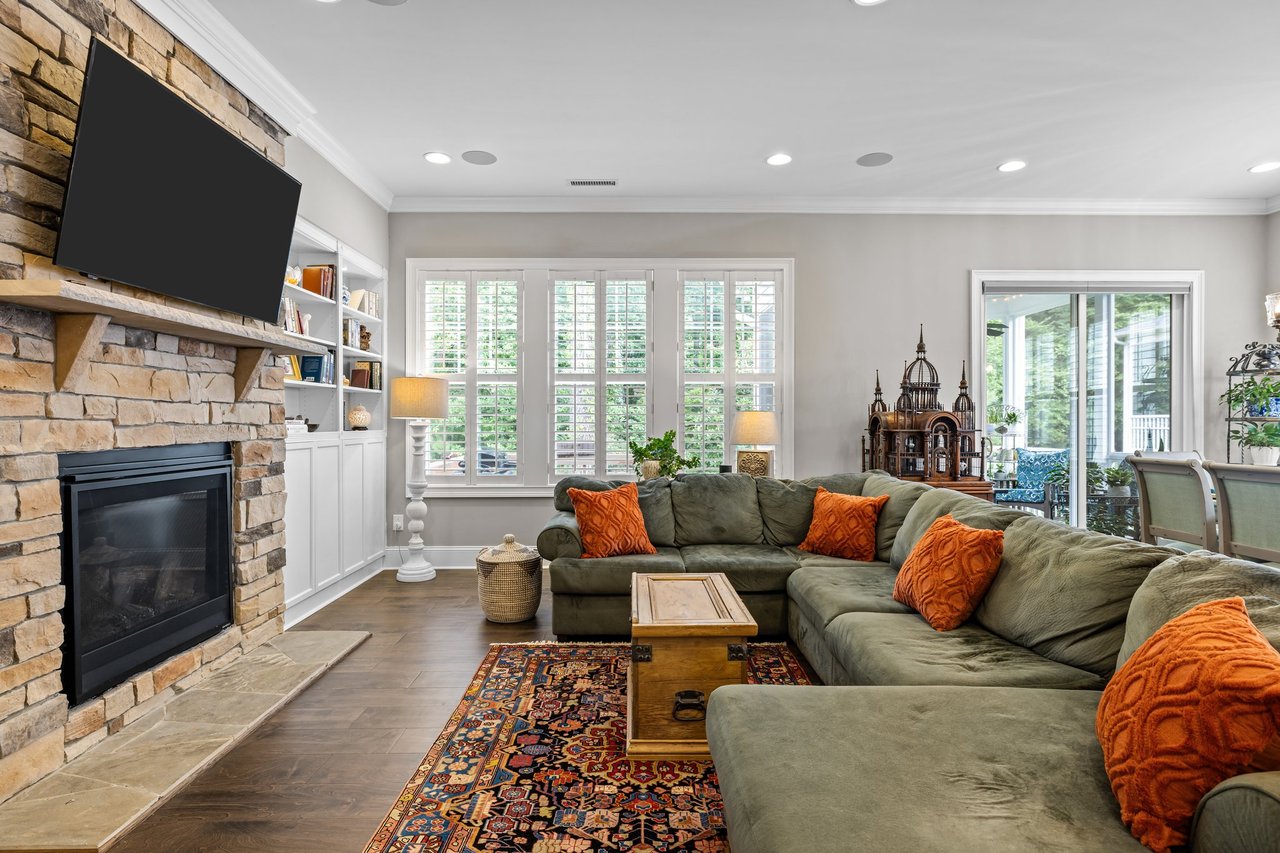
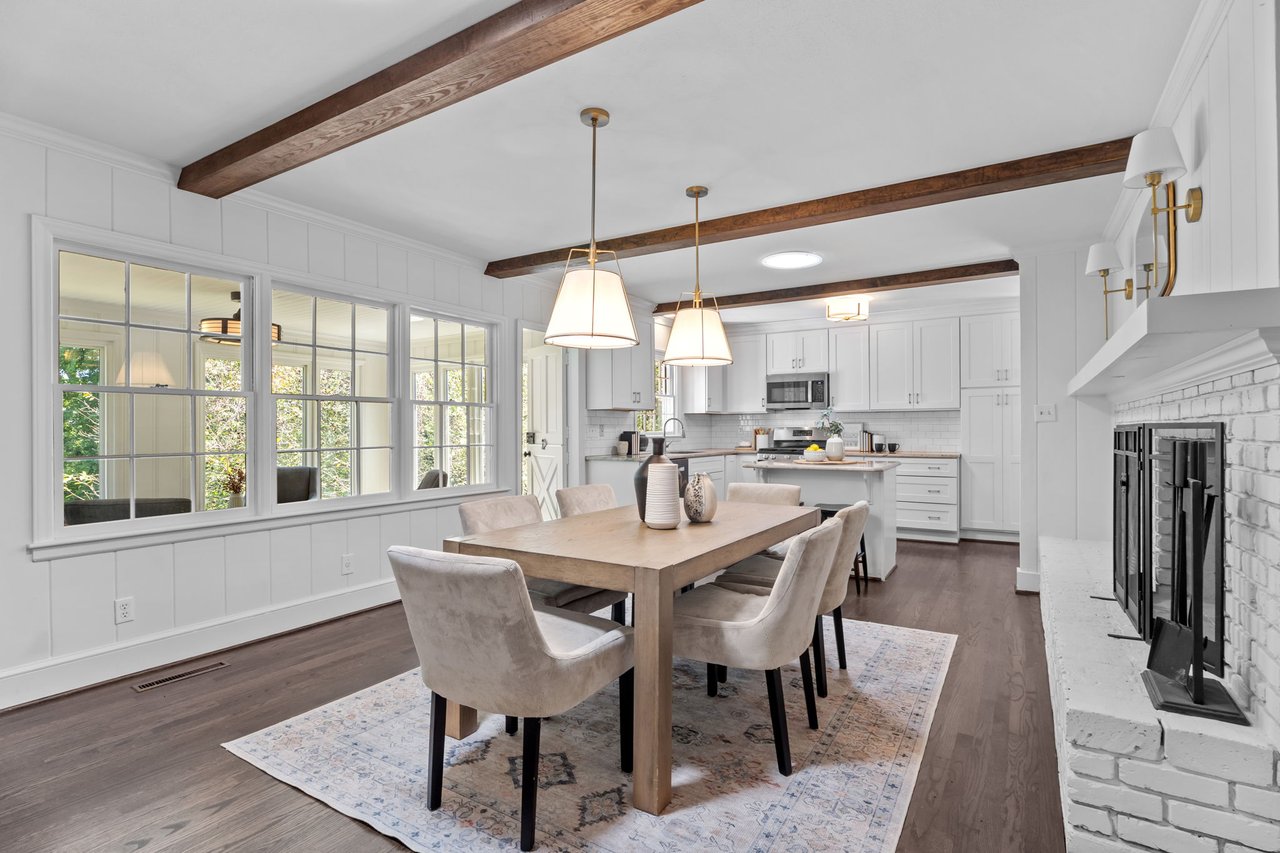
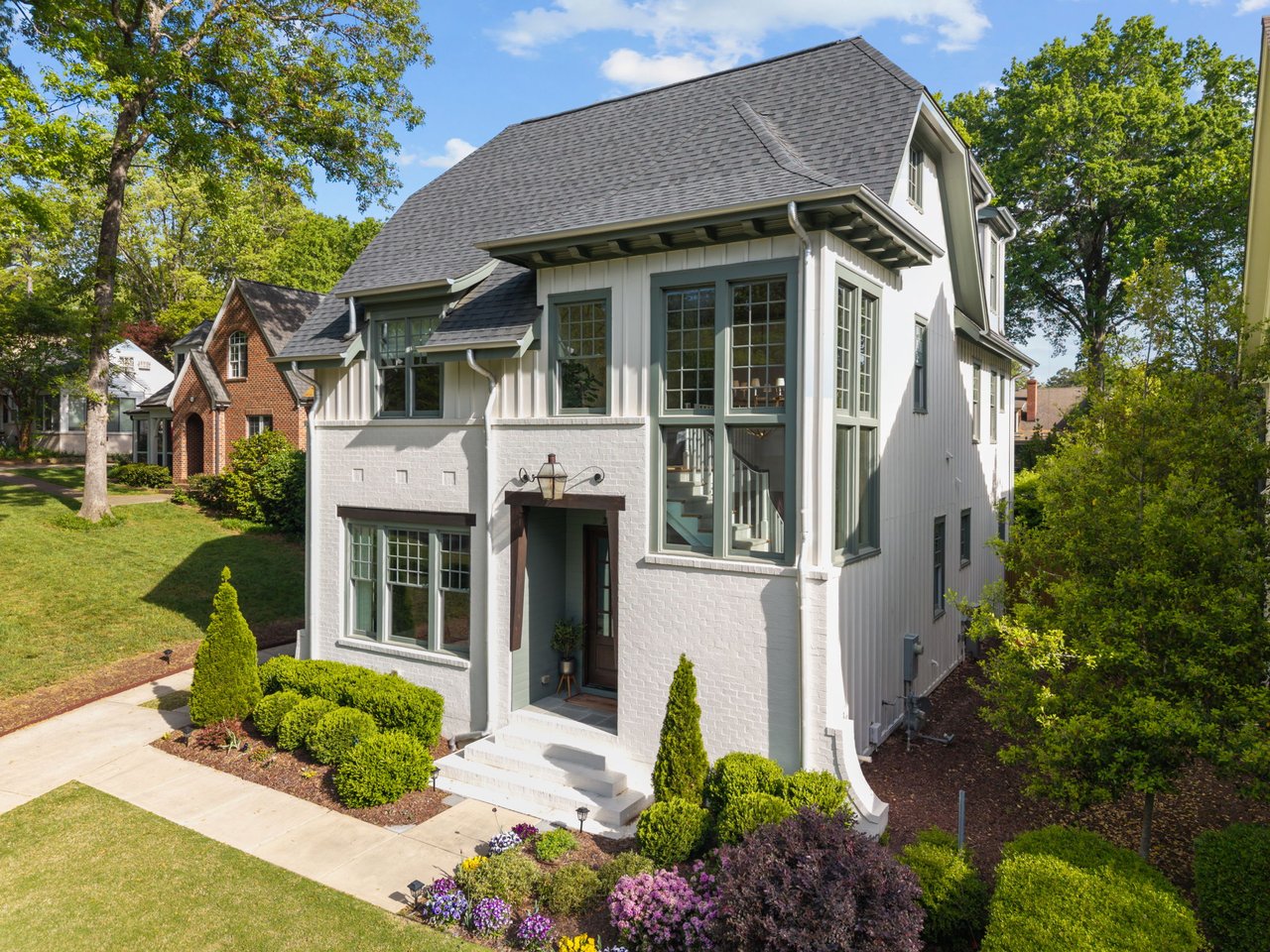
After you begin touring homes, the process often shifts quickly from interest to comparison.
Instead of evaluating one home at a time, you are now weighing multiple options, sometimes within the same day.
Without a clear approach, this can start to feel repetitive or uncertain.
Learning how to compare homes effectively brings structure to that process and helps prevent second-guessing.
Quick Answer
Comparing homes effectively requires focusing on consistent criteria such as location, condition, layout, and long-term fit. A structured approach helps buyers avoid feeling overwhelmed during the decision process.
More Options Don’t Always Create More Clarity
Seeing multiple homes is valuable, but only if the comparisons are meaningful.
When too many details are considered at once, buyers may:
- Focus on minor differences that don’t impact long-term use
- Lose track of what mattered most in earlier showings
- Feel unsure even when a strong option is in front of them
Clarity comes from narrowing what you are comparing, not expanding it.
Start With a Consistent Baseline
Before comparing homes, it helps to define a simple, consistent baseline.
This might include:
- Price range
- Location preferences
- Basic size or layout needs
When these factors remain consistent, differences between homes become easier to evaluate.
Without that baseline, each home can feel like a separate decision rather than part of a clear comparison.

Compare What Affects Daily Living First
Not all features carry equal weight.
Buyers benefit from focusing first on what will shape everyday experience:
- Layout and how the home functions
- Natural light and overall feel
- Flow between primary living spaces
- Location in relation to daily routines
These elements tend to have a greater long-term impact than surface-level details.
Evaluate Condition With Perspective
Condition is important, but it should be evaluated in context.
When comparing homes, consider:
- Which homes feel complete versus those that require immediate work
- Whether updates are cosmetic or more involved
- How condition aligns with price across different options
This helps separate manageable updates from more significant considerations.
Limit the Number of Active Comparisons
One of the most effective ways to reduce overwhelm is to limit how many homes you are actively comparing at once.
Rather than holding onto every option, narrow your focus to:
- Two or three strong contenders
- Homes that clearly meet your baseline criteria
This allows for more direct comparison and clearer decision-making.
Use Simple, Repeatable Questions
Instead of trying to remember every detail, use a consistent set of questions for each home:
- Does this home work for how I live day to day?
- How does it compare to the last home I saw?
- Would I choose this over the others I am considering?
These questions create a steady framework across each showing.
Pay Attention to What Stays With You
After touring multiple homes, certain impressions tend to stand out.
You may find that:
- One home felt easier to move through
- Another required more explanation or adjustment
- One stood out clearly, while others began to blend together
These patterns are often more telling than trying to recall specific details.
Comparison Is a Process of Elimination
Rather than trying to find the “perfect” home, comparison works by narrowing options.
Each showing helps answer:
- What feels aligned
- What feels like a compromise
- What no longer fits
This process naturally leads to clearer decisions over time.

Practical Considerations
When comparing homes, consider:
- Am I focusing on what matters most, or getting distracted by smaller details?
- Have I narrowed my options to a manageable number?
- Does one home clearly stand out when compared directly to others?
- If I had to choose today, which one would I feel most confident about?
These considerations help keep the process focused and intentional.
The Takeaway
Comparing homes in the Raleigh area does not need to feel overwhelming.
When you focus on consistent criteria, prioritize what matters most, and narrow your options, the process becomes more clear.
Rather than evaluating every detail, you begin to recognize which homes truly stand apart, and which ones do not.