Where This Fits in Your Buying Process
After reviewing listings online, a showing is where a home moves from concept to reality.
Photos and descriptions provide context, but being in the space allows you to evaluate how the home actually functions, feels, and holds up over time.
Knowing what to pay attention to during a showing helps you move beyond surface impressions and make more informed decisions.
First Impressions Matter, But Shouldn’t Carry the Decision
The initial feeling when entering a home is important.
You may notice:
- Light and openness
- Overall cleanliness and presentation
- How the space feels at a glance
These impressions help form an early reaction, but they are only one part of the evaluation.
It is important to move beyond that first response and look more closely at how the home performs.
Look for Consistency, Not Just Highlights
Well-presented homes often emphasize their strongest features.
During a showing, it helps to look for consistency across the entire property.
Pay attention to:
- Whether finishes match from room to room
- If updates feel complete or partial
- Whether certain areas feel significantly more maintained than others
Consistency often indicates how the home has been cared for over time.
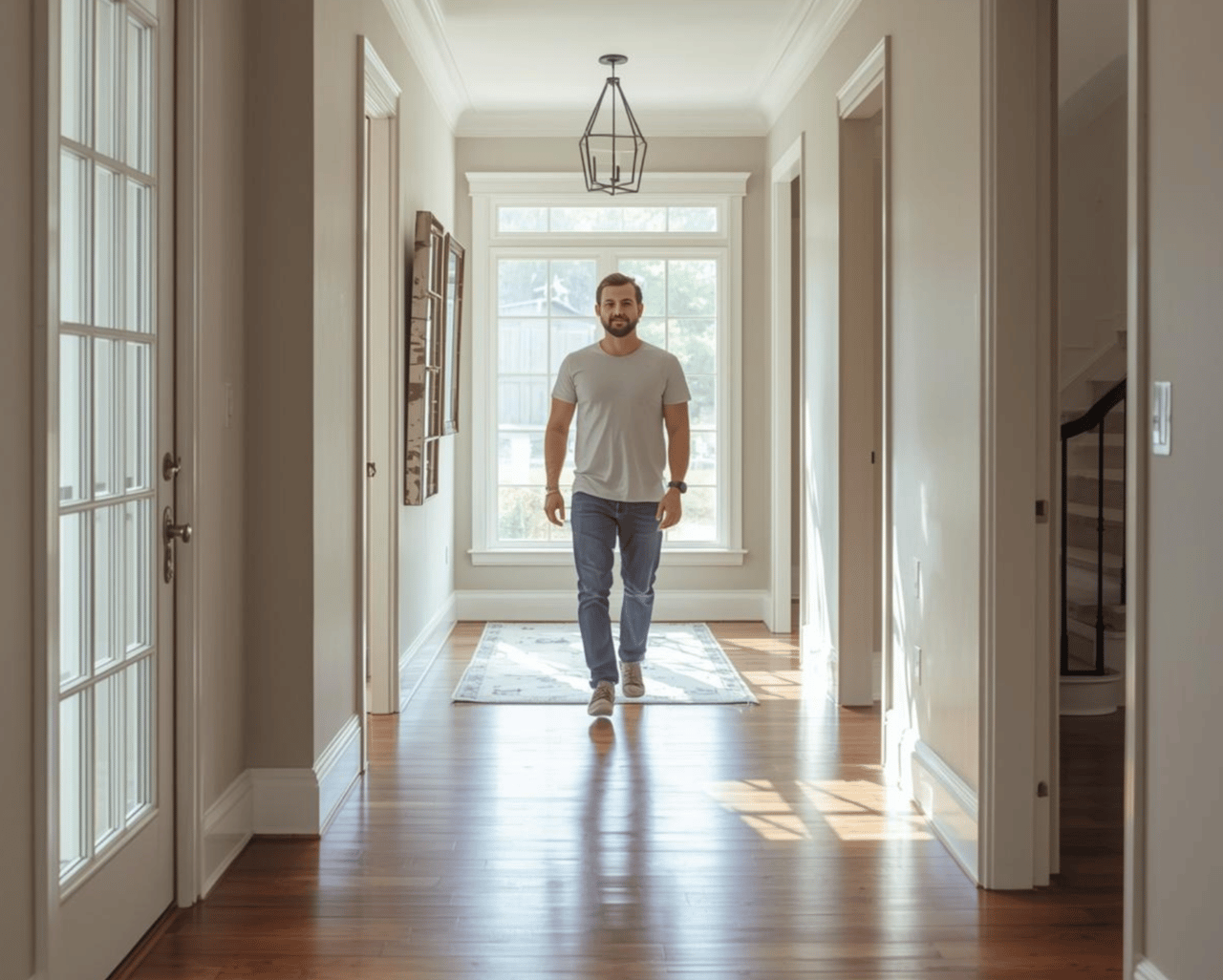
Pay Attention to Layout in Motion
A layout may appear clear in photos, but movement through the home reveals more.
As you walk through, consider:
- Whether transitions between rooms feel natural
- If spaces support how you would actually live day to day
- Whether any areas feel disconnected or difficult to use
This helps you understand how the home will function beyond the showing itself.
Notice What Might Require Attention
Not every home will be move-in ready, and that is not always a concern.
What matters is understanding what may need attention.
This might include:
- Visible wear or aging systems
- Areas that may require updates
- Signs of deferred maintenance
These observations help you evaluate both immediate and longer-term considerations.
Observe Natural Light and Surroundings
Lighting and setting are difficult to fully capture in photos.
During a showing, take note of:
- How light enters different rooms
- The orientation of the home throughout the day
- The surrounding environment, including noise and proximity to other homes
These elements influence both comfort and long-term experience.
Kitchens and Bathrooms Deserve a Closer Look
Certain areas carry more weight in evaluating a home.
Spend a bit more time in:
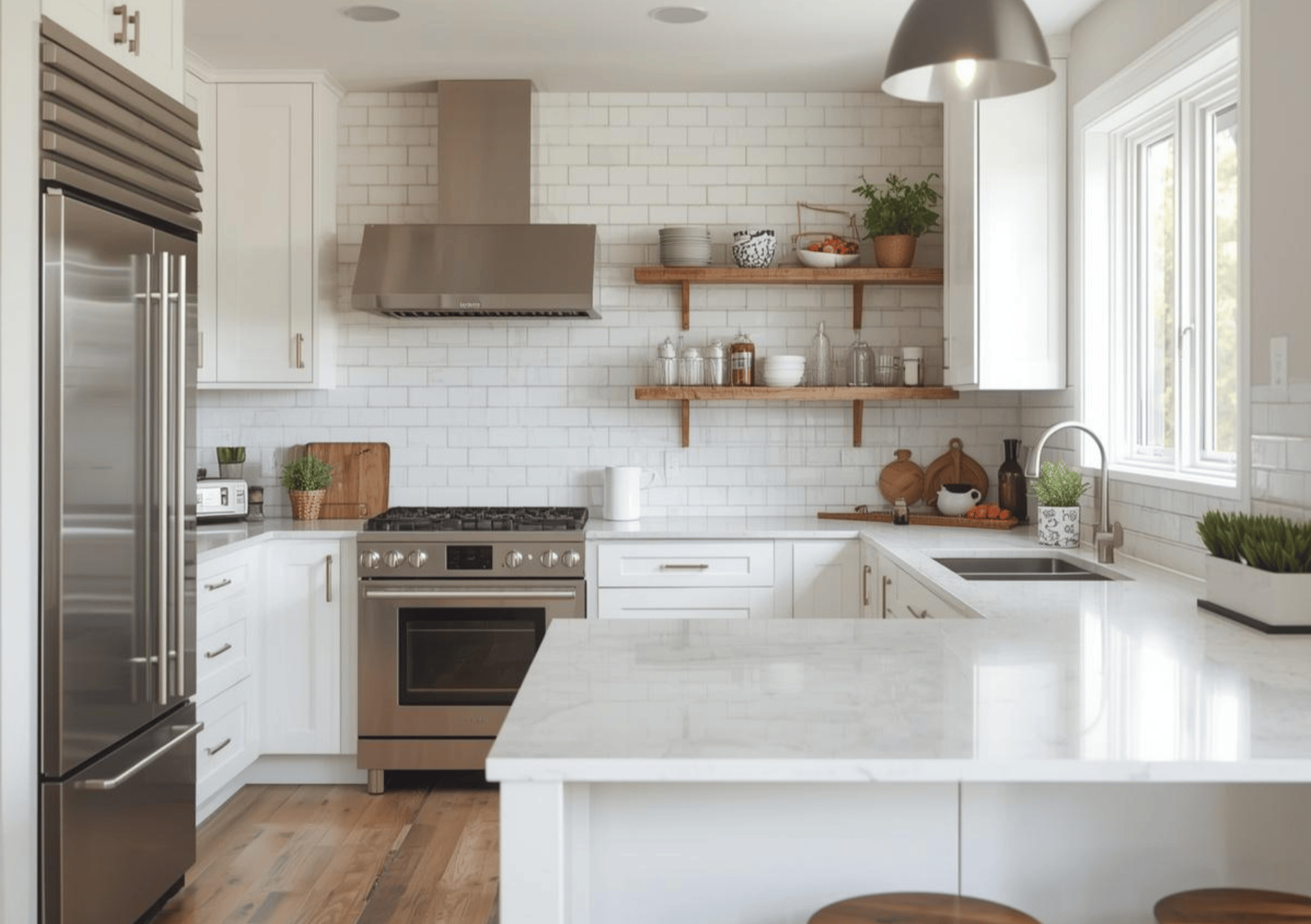
- The kitchen, focusing on layout and usability
- Bathrooms, noting condition and functionality
- Primary living spaces where daily time is spent
These spaces often influence both immediate comfort and future investment.
Look Beyond Staging
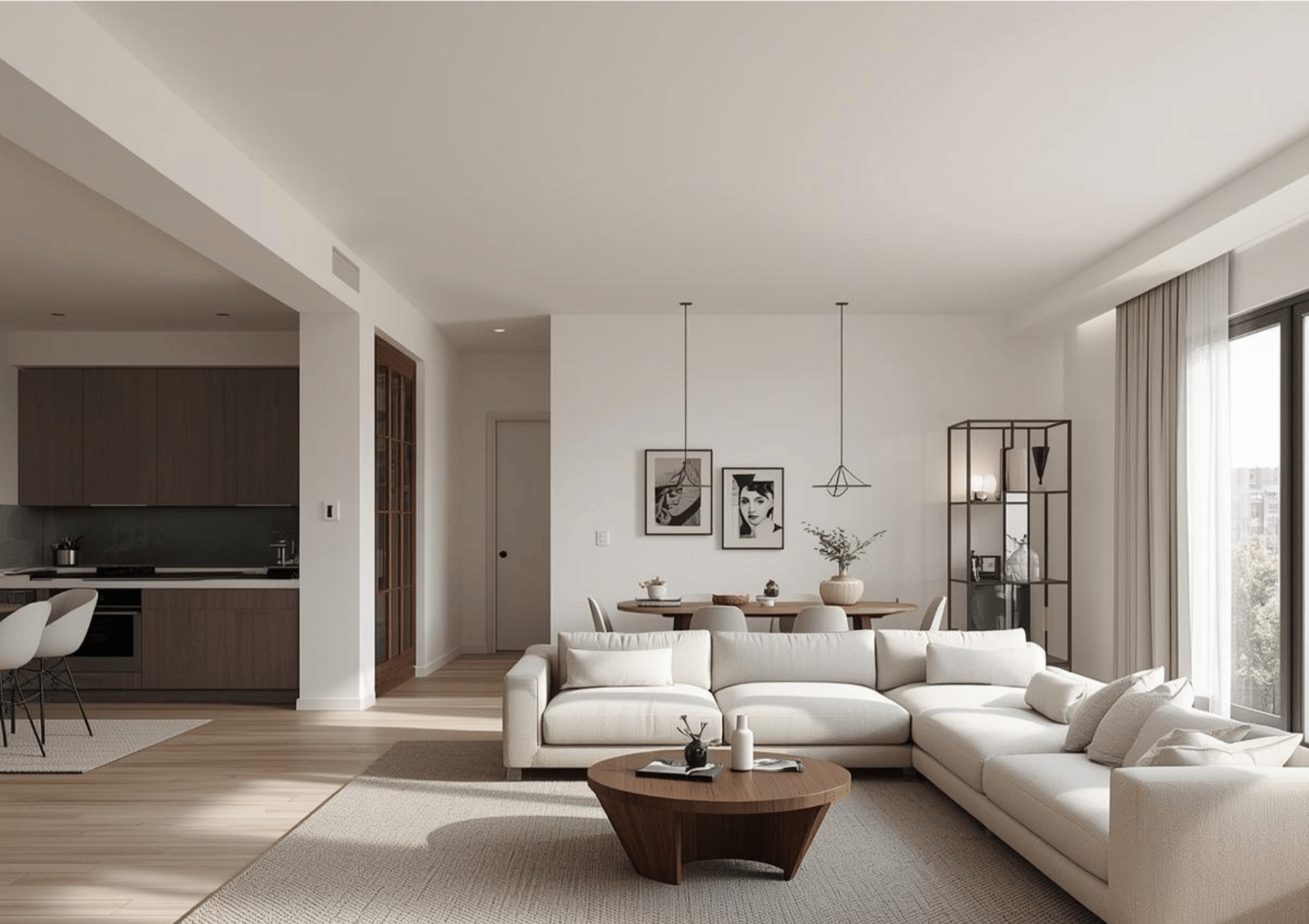
Staging is designed to present the home well, but it can also draw attention away from certain details.
During the showing, consider:
- The space itself, not just how it is furnished
- Whether rooms feel appropriately sized without furniture
- What the home would look like with your own layout and belongings
This helps separate presentation from the underlying structure.
Take Note Without Overanalyzing
It is helpful to observe carefully, but not every detail needs to be evaluated in the moment.
Focus on:
- What stands out clearly
- What raises questions worth revisiting
- What feels aligned versus uncertain
More detailed evaluation can happen after narrowing your options.
Practical Considerations
During a showing, it can be helpful to ask yourself:
- Does this home feel consistent from one space to another?
- Can I clearly understand how I would live here?
- Are there any immediate concerns that would require attention?
- How does this compare to other homes I’ve seen recently?
These questions help guide a balanced evaluation.
The Takeaway
A home showing is an opportunity to move beyond appearance and understand how a home actually performs.
In the Raleigh area, where buyers are often comparing multiple options, the ability to read a home clearly can make the difference between uncertainty and confidence.
By focusing on consistency, function, and overall experience, you can evaluate each home in a way that supports better decisions.