Where This Fits in Your Buying Process
Once you begin evaluating homes seriously, the focus often centers on purchase price and monthly payment.
Those are important, but they are only part of the financial picture.
Understanding the additional costs involved in buying and owning a home in the Raleigh area helps create a more complete and realistic view of what a home represents over time.
Quick Answer
The total cost of buying a home in the Raleigh area extends beyond the purchase price to include property taxes, insurance, utilities, maintenance, and potential HOA dues. Understanding these factors provides a clearer picture of long-term affordability.
Closing Costs Are the First Layer Beyond Price
At the point of purchase, buyers encounter closing costs in addition to their down payment.
In North Carolina, these may include:
- Attorney fees (closing is handled through an attorney’s office)
- Lender-related fees and loan costs
- Title-related expenses
- Prepaid items such as property taxes and insurance
While the exact amount varies, these costs are typically anticipated early in the process and factored into overall budgeting.

Due Diligence and Earnest Money Are Part of the Structure
In North Carolina, offer structure includes upfront components that buyers should plan for.
These include:
- Due diligence fee (paid directly to the seller)
- Earnest money deposit (held in escrow)
While these funds are generally applied toward the purchase at closing, they are part of the initial financial commitment.
Understanding how they function helps avoid confusion during the offer stage.
Ongoing Ownership Costs Add Context to Affordability
Beyond the purchase itself, ongoing costs play a meaningful role in long-term affordability.
These may include:
- Property taxes
- Homeowners insurance
- Utilities and general upkeep
- HOA dues, if applicable
Two homes with similar purchase prices may have different ongoing costs depending on location, size, and community structure.
Maintenance Should Be Considered From the Start
Every home requires maintenance over time.
This may include:
- Routine upkeep (landscaping, servicing systems)
- Repairs as systems age
- Updates to maintain function and comfort
Homes in different conditions will carry different maintenance expectations.
Factoring this in early helps create a more accurate understanding of overall cost.
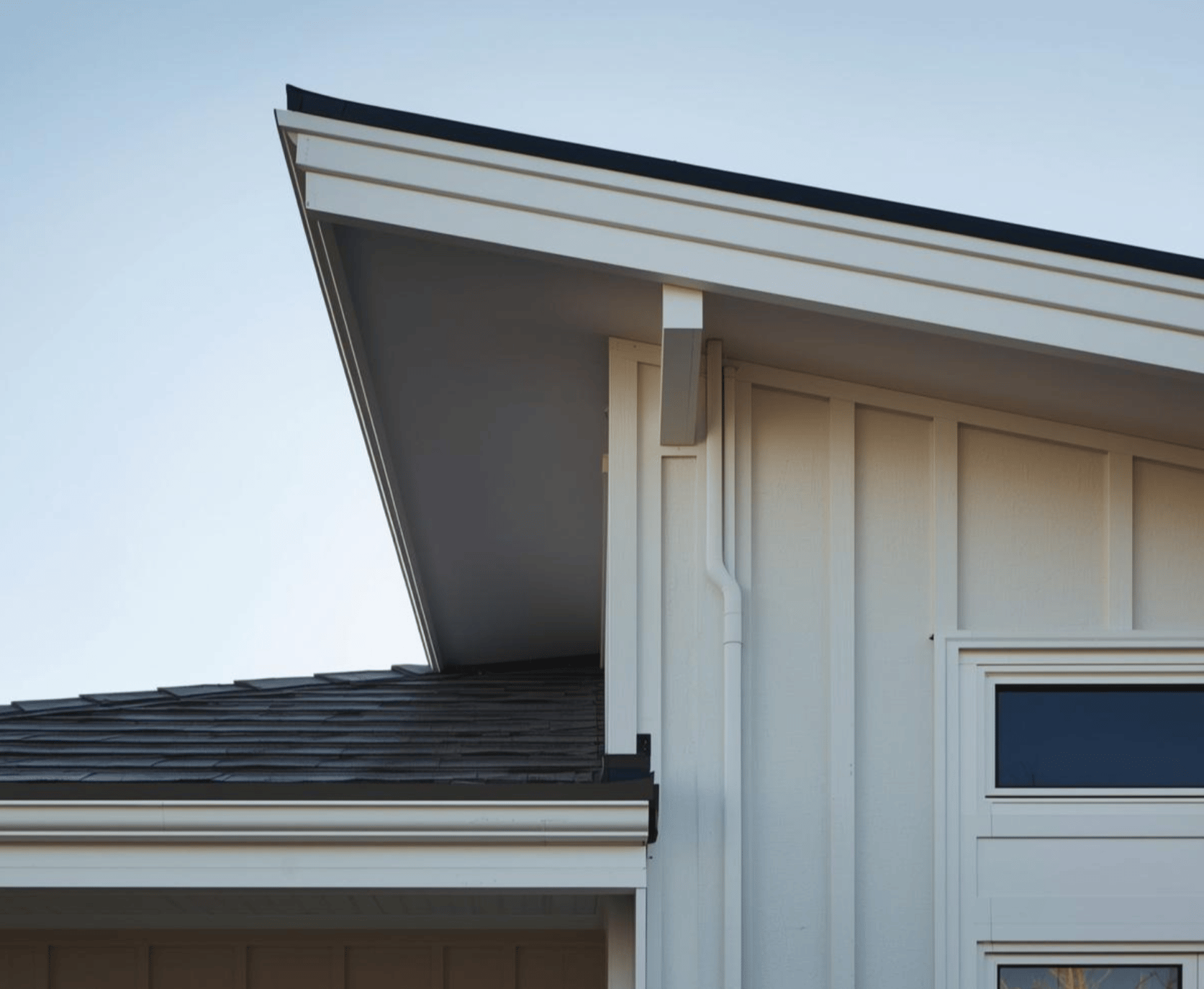
Immediate Updates vs. Long-Term Improvements
Some homes may require updates shortly after purchase, while others may not.
When evaluating a home, consider:
- Whether updates are needed immediately or can be phased over time
- The scale of those updates
- How those costs compare to homes that are more updated upfront
This helps determine whether a lower purchase price truly represents value, or simply shifts cost into the near future.
Utility Efficiency Can Vary More Than Expected
Utility costs are often overlooked during the buying process, but they can vary based on:
- Age and efficiency of systems
- Insulation and construction quality
- Size and layout of the home
While exact costs may not be known upfront, observing these factors during showings can provide useful context.
Comparing Total Cost Creates Better Decisions
Looking at the full financial picture allows for more meaningful comparisons between homes.
Rather than focusing only on purchase price, consider:
- Total upfront investment
- Expected monthly costs
- Likely maintenance and update needs
This broader view often leads to decisions that feel more sustainable over time.
Practical Considerations
When evaluating costs beyond the purchase price, consider:
- What funds will be needed at closing beyond the down payment?
- How do ongoing costs compare between different homes?
- Are there immediate updates that should be factored in?
- Does the overall cost align with long-term plans and comfort level?
These questions help bring financial clarity to the decision.
The Takeaway
In the Raleigh area, buying a home involves more than the purchase price.
Closing costs, ongoing expenses, and maintenance all contribute to the full picture of ownership.
Buyers who account for these factors early are better positioned to make decisions that remain comfortable and sustainable over time.