When relocating to a new area, price comparison is often one of the first reference points. However, online estimates rarely capture the full picture of what a home actually offers at a given price.
In the Raleigh area, a $500,000 home can vary significantly depending on location, lot size, age of construction, and proximity to employment centers. What that budget provides in one neighborhood may look very different in another.
Below is a practical snapshot of what buyers may expect at this price point and how those expectations can shift across the Raleigh area.
Quick Answer
In the Raleigh area, a $500,000 budget typically provides a range of options depending on location, home age, and community type. Buyers can expect differences in square footage, lot size, and proximity to employment centers, making it important to evaluate value beyond price alone.
1. Square Footage Expectations
At approximately $500,000 in many Raleigh-area communities, buyers will often find homes that offer a balance of space and functionality.
Typical expectations may include:
-
2,200–3,000 square feet
-
Three to four bedrooms
-
Two to three bathrooms
-
Two-car garage
-
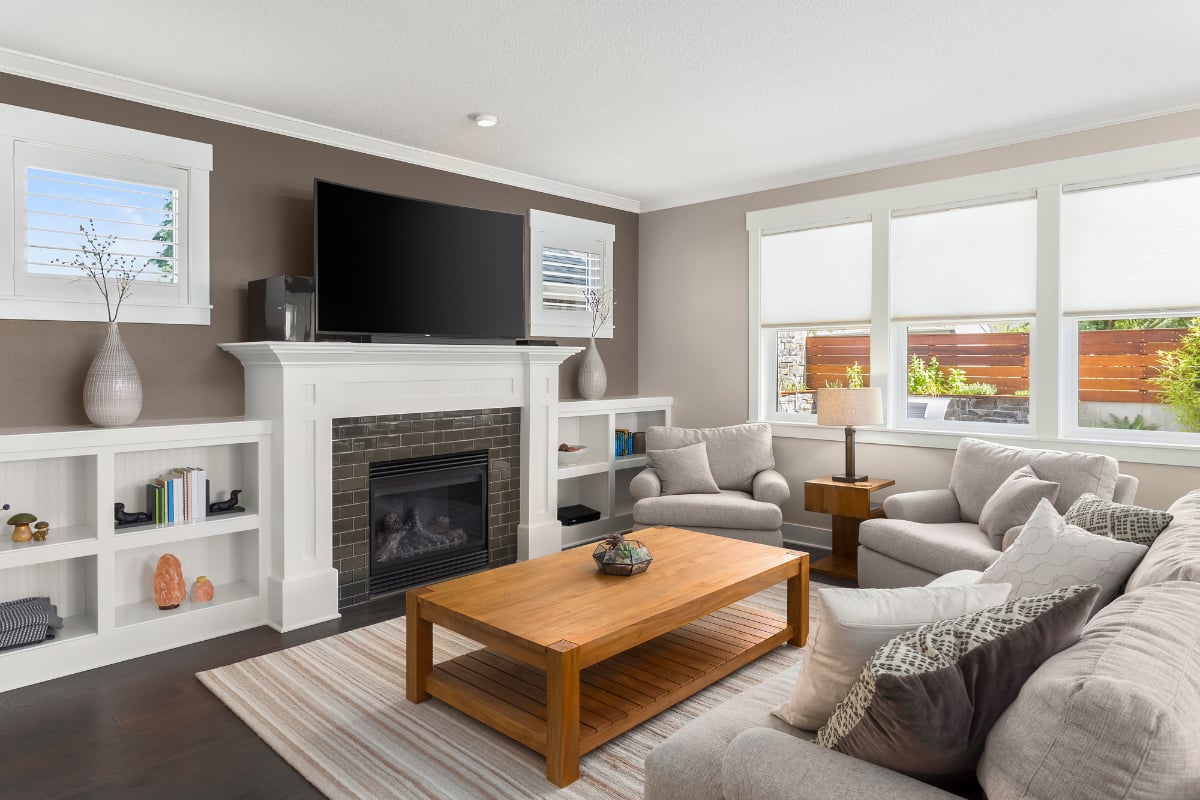
Open-concept living areas
However, square footage can vary depending on several factors, including whether the home is new construction or part of an established neighborhood.
Key influences include:
-
New construction versus resale homes
-
Urban versus suburban location
-
Lot size and community amenities
Understanding how these variables affect square footage helps set realistic expectations when beginning your search.
2. Lot Size and Outdoor Space
At this price point, outdoor space is another area where variation becomes noticeable across the Raleigh area.
Buyers may find:
-
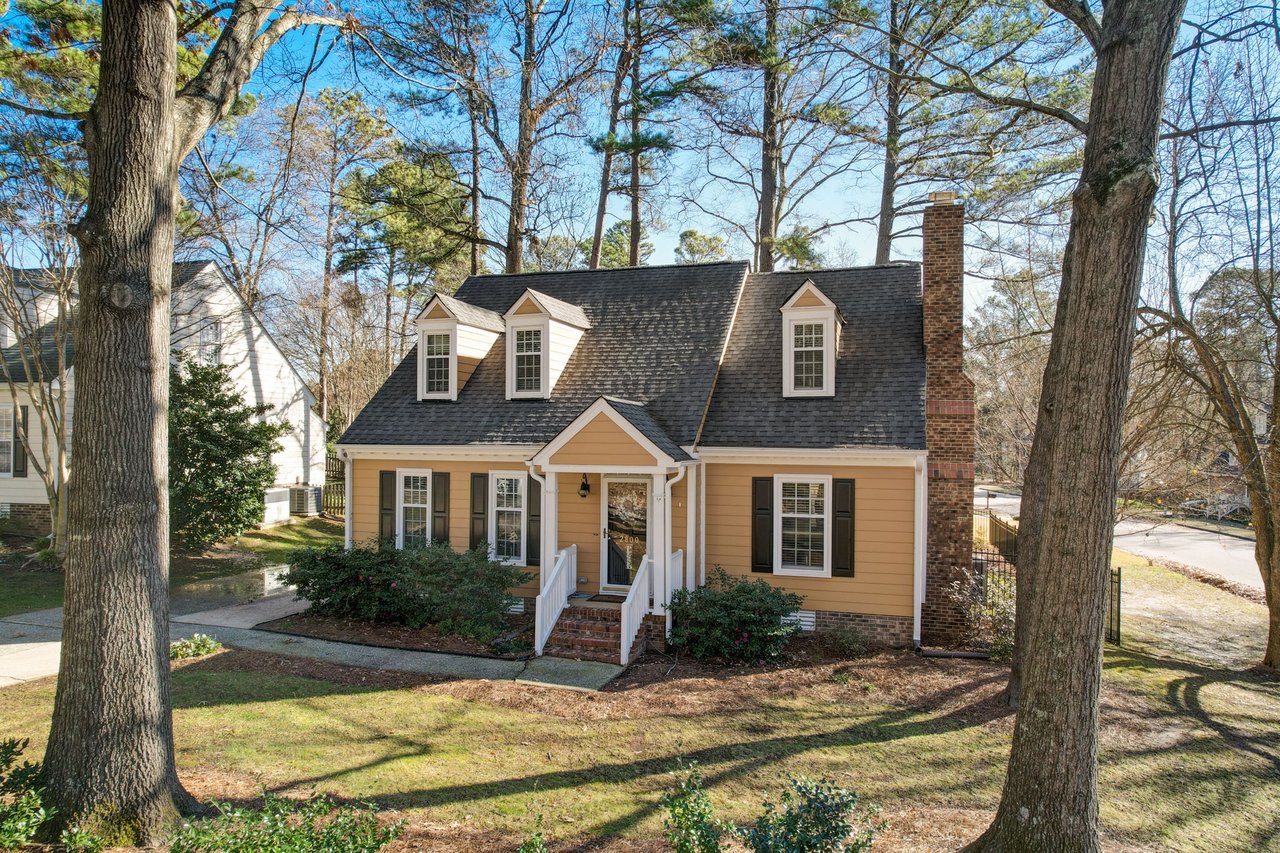
Traditional suburban lots
-
Landscaped front yards
-
Private backyard space
-
Properties backing to wooded buffers
Homes located closer to central Raleigh often feature smaller lots in exchange for convenience and proximity to dining, employment, and greenway access.
In surrounding communities, similar price points may offer larger lots and more outdoor flexibility, depending on the neighborhood.
Evaluating outdoor space alongside location helps balance lifestyle preferences with property features.
3. Age and Design Style
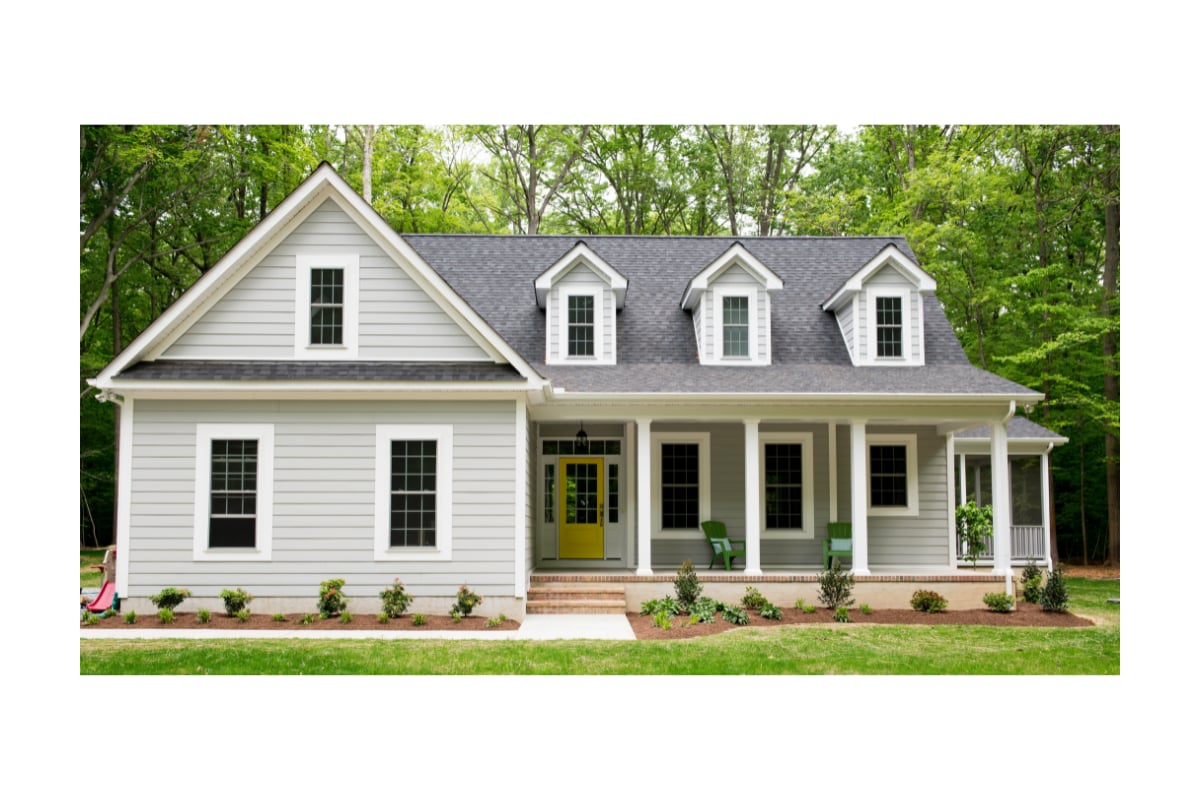
Homes in the $500,000 range across the Raleigh area can vary in both age and architectural style.
Buyers may encounter:
-
Homes built within the past 10–20 years
-
Updated kitchens and primary suites
-
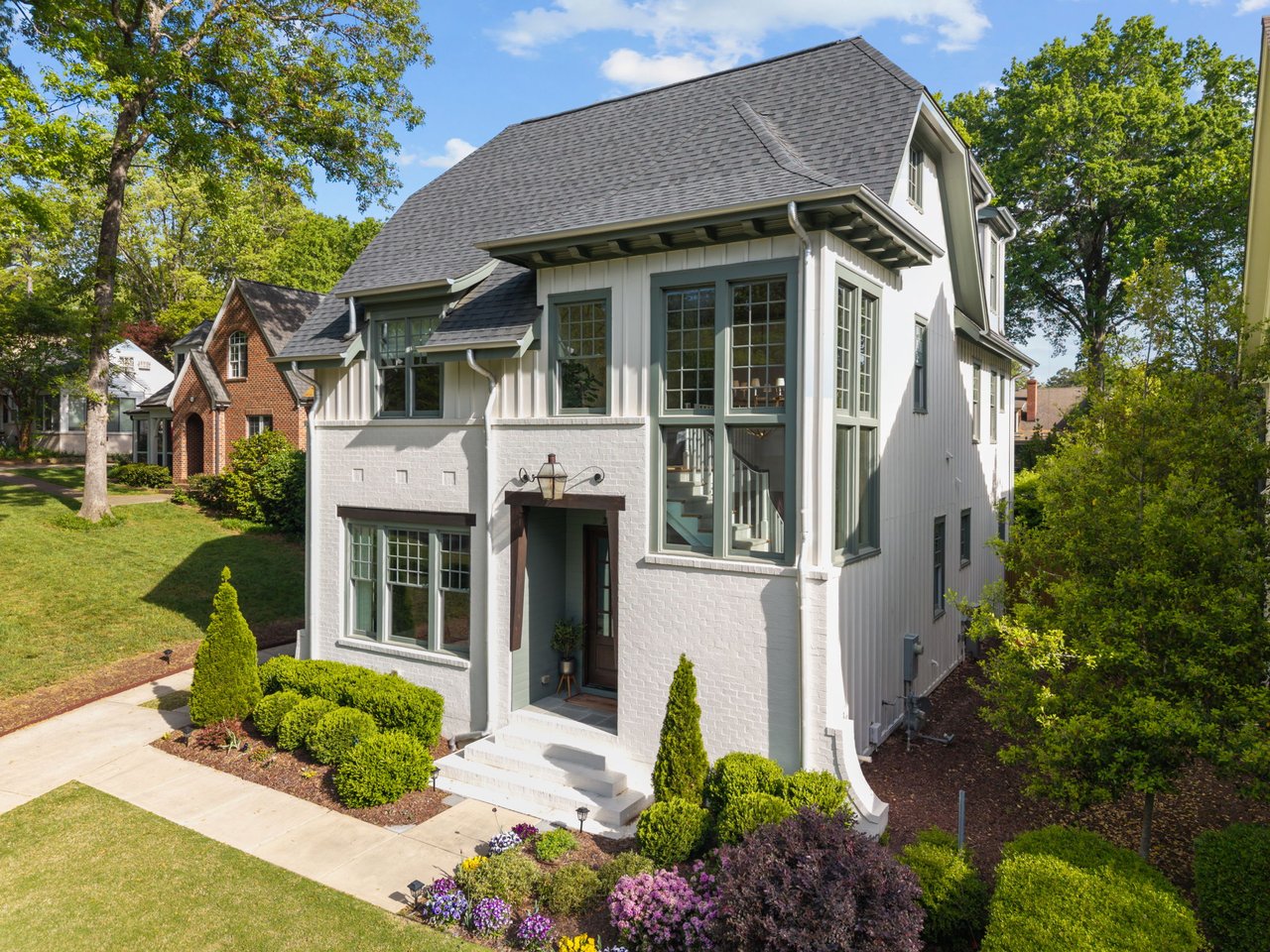
Stone or brick accent exteriors
-
Access to community amenities such as pools or walking trails
In more established neighborhoods, buyers may also find:
-
Mature landscaping
-
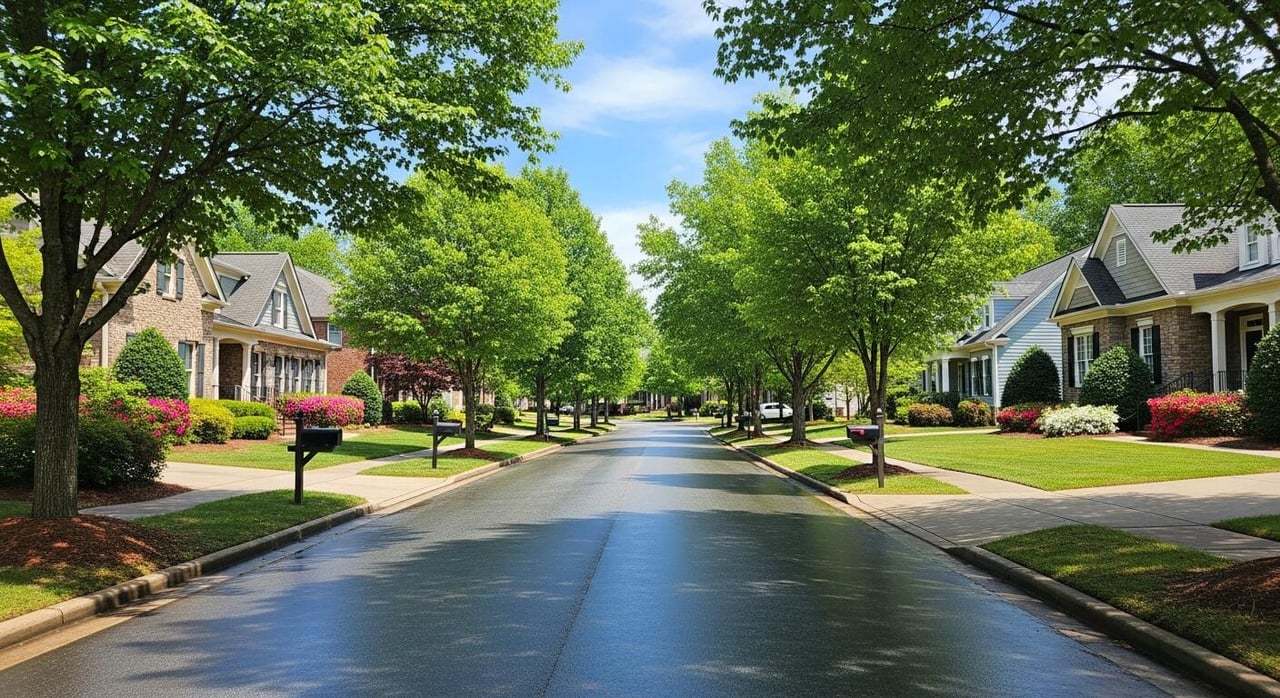
Larger trees and established streetscapes
-
Renovated interiors within older homes
Design style often reflects the character of each submarket, making it helpful to explore multiple areas before narrowing your focus.
4. Commute and Location Trade-Offs
Price and location are closely connected in the Raleigh area, and understanding this relationship is key when evaluating value.
Homes priced near $500,000 may vary based on:
-
Proximity to downtown Raleigh
-
Access to Research Triangle Park and major employment centers
-
School zoning
-
Traffic patterns and commute routes
Buyers often find that moving slightly further from central areas can increase square footage or lot size, while closer-in locations may prioritize convenience and accessibility.
Balancing commute time with home features is an important part of the decision-making process.
5. Market Conditions and Negotiation
Market conditions also play a role in how far $500,000 will stretch at any given time.
In a more balanced market, buyers may experience:
-
Greater negotiation flexibility
-
Longer days on market
-
Occasional seller concessions
In more competitive segments, certain homes may still receive strong interest, particularly in desirable locations or school zones.
Understanding current market conditions helps place pricing into context and supports more informed offer strategies.
Final Perspective
A $500,000 budget offers meaningful purchasing power across many Raleigh-area communities, but the specific home profile will vary based on location, timing, and individual priorities.
Comparing square footage, lot size, commute considerations, and neighborhood characteristics provides a more complete understanding of value beyond the list price alone.
For guidance on neighborhoods, property taxes, and relocation planning, visit our Relocating to the Raleigh Area resource page.
Explore More Raleigh Area Resources
• Raleigh Neighborhood Styles: Urban, Suburban, and Established Communities
• Buying a Home in the Raleigh Area
• Cost of Living in the Raleigh Area
• Raleigh Area Intelligence Resource Center