When evaluating a move to the Raleigh area, home price is often the first number people compare. However, true affordability extends beyond a mortgage payment.
Utilities, insurance, transportation, childcare, and everyday living expenses all contribute to the broader financial picture. Understanding how these factors work together allows relocating buyers to make more informed decisions about long-term comfort and sustainability.
Below is a structured overview of the key components that shape cost of living in the Raleigh area and how they may impact your overall budget.
1. Housing Costs: Purchase Price and Ongoing Expenses
Housing remains one of the most significant financial considerations when relocating, but the purchase price is only one part of the equation.
In addition to the home price, buyers should account for ongoing ownership costs that contribute to monthly expenses.
These may include:
-
Property taxes (which vary by county and municipality)
-
Homeowners insurance
-
HOA dues (if applicable)
-
Maintenance and repair reserves
-
Landscaping or lawn service
Comparing similar homes across different neighborhoods can reveal meaningful differences in total monthly outlay, even when purchase prices are similar.
Understanding these layered costs early helps create a more accurate financial picture.
2. Utilities and Energy Costs
Utility costs in the Raleigh area are influenced by several factors related to both the home itself and seasonal conditions.
Key variables include:
-
Home size
-
Age and insulation quality
-
Heating and cooling systems
-
Seasonal weather patterns
Summer months may bring higher electric bills due to air conditioning use, while winter heating costs vary depending on whether the home uses gas or electric systems.
Buyers relocating from northern climates may notice lower heating demand overall, while those moving from warmer regions may find seasonal patterns more familiar.
Understanding how home characteristics influence utility usage can help set realistic expectations for monthly costs.
3. Transportation and Commuting
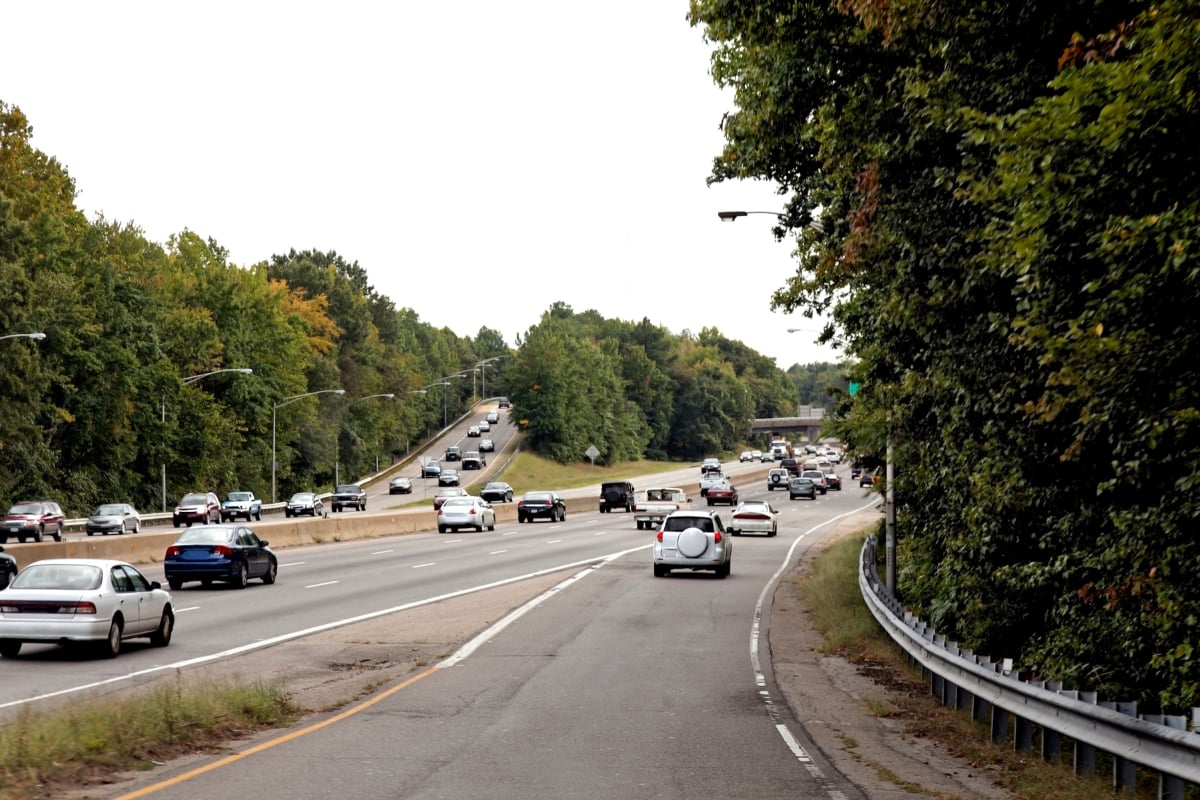
The Raleigh area is primarily car-dependent, and transportation costs can vary depending on location and daily routines.
Typical cost considerations include:
-
Vehicle expenses
-
Gasoline
-
Parking in certain employment centers
-
Toll roads in some surrounding areas
Living closer to major employment hubs may reduce commute time but can also influence housing costs. Balancing commute convenience with home price is an important part of relocation planning.
Evaluating commute patterns alongside housing options helps create a more balanced lifestyle decision.
4. Insurance Considerations
Homeowners insurance is another important component of monthly housing cost and can vary based on several property-specific factors.
These include:
-
Property location
-
Age of the home
-
Roof condition
-
Proximity to fire services
Some policies may also include considerations for wind or storm coverage depending on location.
Relocating buyers are encouraged to obtain insurance estimates early in the purchasing process to better understand how this cost integrates into their overall budget.
5. Childcare and Education Costs
For families with young children, childcare can represent a significant portion of monthly expenses.
Costs vary depending on:
-
Type of care (in-home, daycare, preschool)
-
Hours required
-
Age of the child
Families considering private education should also review tuition structures, as these can vary widely across institutions in the Raleigh area.
Planning ahead for these expenses helps create a more realistic financial framework.
6. Everyday Living Expenses
Beyond housing and major fixed costs, everyday expenses play an important role in overall affordability.
These include:
-
Groceries
-
Dining
-
Entertainment
-
Recreational activities
The Raleigh area offers a wide range of options, from locally owned businesses to national retailers, allowing households to adjust spending based on personal preferences.
When comparing cost of living between regions, it is also helpful to evaluate:
-
State income tax rates
-
Sales tax rates
-
Overall household spending patterns
These factors contribute to how affordability feels on a day-to-day basis.
7. Long-Term Financial Perspective
While many relocating buyers find Raleigh home prices competitive compared to larger metropolitan markets, affordability should always be evaluated within the context of personal financial goals.
A lower purchase price does not automatically result in lower total cost of living, just as a higher purchase price does not always mean reduced affordability.
Taking a comprehensive view of all expenses ensures that relocation decisions align with long-term stability, savings goals, and overall lifestyle priorities.
Final Perspective
Cost of living in the Raleigh area extends beyond the purchase price of a home. Evaluating utilities, insurance, transportation, childcare, and everyday expenses provides a more complete understanding of what day-to-day life may look like.
For relocating buyers, a well-rounded financial perspective supports more confident and sustainable decision-making.
For guidance on neighborhoods, property taxes, and the buying process, visit our Relocating to the Raleigh Area resource page.
Explore More Raleigh Area Resources
• Property Taxes in the Raleigh Area
• What $500,000 Buys in the Raleigh Area
• Renting vs Buying in the Raleigh Area
• Raleigh Area Intelligence Resource Center