When relocating to the Raleigh area, home price is only one part of the overall financial picture. Property taxes can vary by county, municipality, and in some cases, special tax districts, meaning two homes with similar price points may carry very different annual tax obligations.
Understanding how property taxes are structured before making an offer allows buyers to evaluate long-term affordability with greater clarity. This is especially important for relocating buyers who may be comparing North Carolina to higher-tax regions.
Below is a practical overview of how property taxes function across the Raleigh area and what buyers should review before purchasing.
Quick Answer
Property taxes in the Raleigh area vary based on county, municipality, and specific property location. Buyers should evaluate both current tax rates and how reassessments may affect future costs, as similar homes can carry different tax obligations depending on jurisdiction and valuation timing.
1. Property Taxes Are County-Based
In North Carolina, property taxes are primarily assessed at the county level, which forms the foundation of a homeowner’s annual tax obligation.
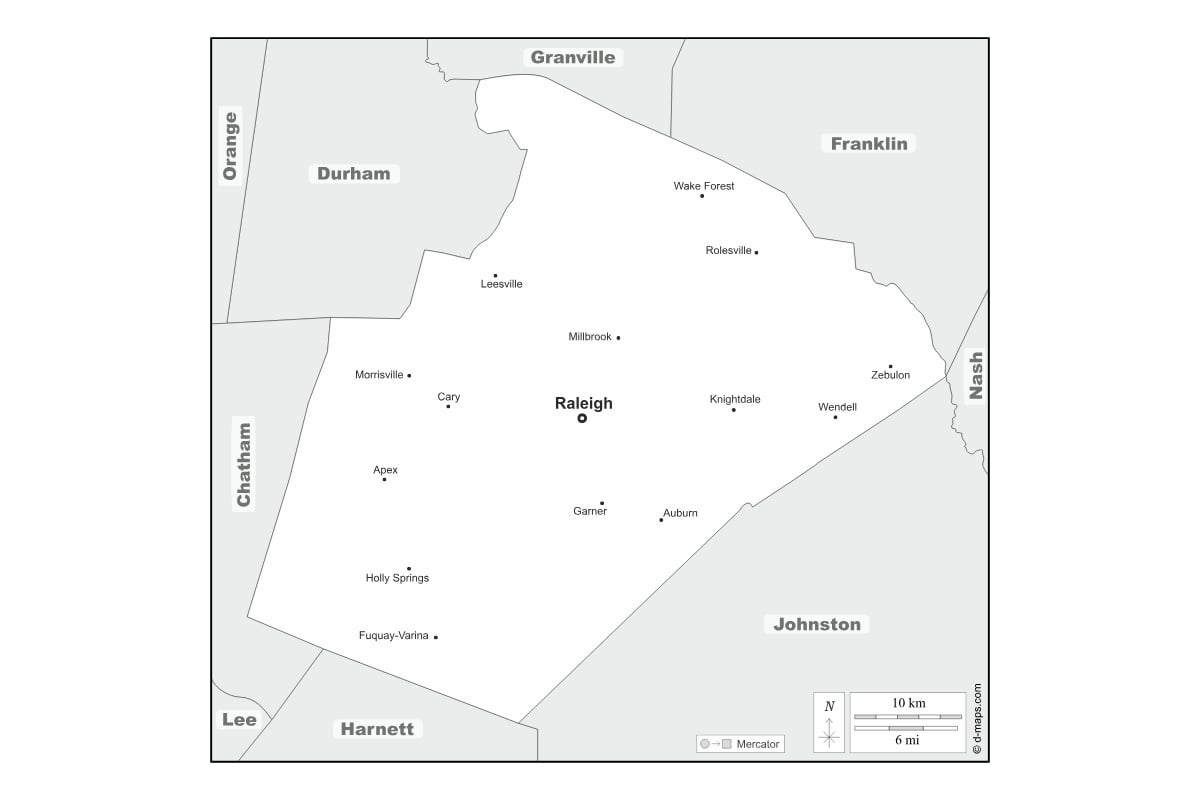
Most homes in the Raleigh area fall within Wake County, though surrounding communities may extend into neighboring counties such as Johnston, Franklin, or Durham. Each county sets its own tax rate annually, and that rate is applied to the assessed value of the property.
Because tax rates differ by county, two homes located just across a county line may carry noticeably different tax bills, even if they are similar in price and size.
For this reason, buyers should always confirm the county in which a property is located early in the home search process.
2. Municipal Taxes May Also Apply
In addition to county taxes, homes located within city or town limits may also be subject to municipal taxes, which are layered on top of the county rate.
For example:
-
A home inside Raleigh city limits includes both Wake County and City of Raleigh tax rates
-
A home outside city limits but within Wake County typically pays county taxes only
This distinction can significantly impact the total annual tax obligation.
When comparing properties, buyers should evaluate whether the home is located:
-
Inside municipal boundaries
-
Outside city limits
-
Within a specific town jurisdiction
Because municipal tax rates vary across the region, understanding this distinction is an important step in comparing homes accurately.
3. Assessed Value vs. Market Value
Property taxes are based on the county’s assessed value of a home, which may differ from the contract purchase price.
Wake County conducts periodic revaluations to align assessed values with broader market conditions. If a property has not been revalued recently and sells at a higher price, future tax bills may adjust accordingly after reassessment.
Relocating buyers should be aware that:
-
Tax amounts shown in a listing may reflect a previous owner’s assessed value
-
Future tax obligations may increase following a sale
-
Revaluation schedules vary by county
Reviewing both the current tax bill and the county’s revaluation cycle can provide a more realistic expectation of long-term costs.
4. Special Tax Districts and Additional Assessments
In some cases, properties may be located within special tax districts or service areas that add additional costs beyond standard property taxes.
These may include:
-
Fire districts
-
Special service districts
-
Municipal service areas
-
HOA communities with separate dues
While these are not always included in the base property tax rate, they can contribute to the overall monthly cost of ownership.
Understanding whether a property falls within one of these districts is an important part of evaluating the full financial picture.
5. How Property Taxes Are Paid
Most homeowners pay property taxes through their mortgage escrow account, which simplifies the payment process.
In this structure:
-
The lender collects estimated annual taxes as part of the monthly payment
-
Taxes are paid directly to the county and municipality when due
Buyers who purchase with cash may pay property taxes directly to the county.
In North Carolina, property tax bills are typically issued in late summer and are due in early January of the following year. Planning for this timeline helps avoid surprises during the first year of ownership.
6. Comparing Property Taxes When Relocating
For many relocating buyers, property taxes in North Carolina are often lower than those in certain northeastern or west coast states. However, a meaningful comparison should take into account the full cost of living.
This includes:
-
State income tax differences
-
Insurance costs
-
HOA fees
-
Utility expenses
Property taxes are only one component of overall affordability. Evaluating them alongside financing, home price, and lifestyle needs provides a more accurate and balanced perspective.
Final Perspective
Property taxes in the Raleigh area follow a structured system but vary based on location. County boundaries, municipal limits, and special districts all contribute to the final tax obligation.
Before making an offer, buyers should:
-
Confirm the property’s county
-
Verify municipal boundaries
-
Review current tax bills
-
Consider the potential for reassessment after purchase
With a clear understanding of how property taxes function, relocating buyers can make more confident and informed financial decisions.
For a broader overview of housing costs and relocation planning, visit our Relocating to the Raleigh Area resource page.
Explore More Raleigh Area Resources
• Cost of Living in the Raleigh Area
• Buying a Home in the Raleigh Area
• What $500,000 Buys in the Raleigh Area
• Raleigh Area Intelligence Resource Center